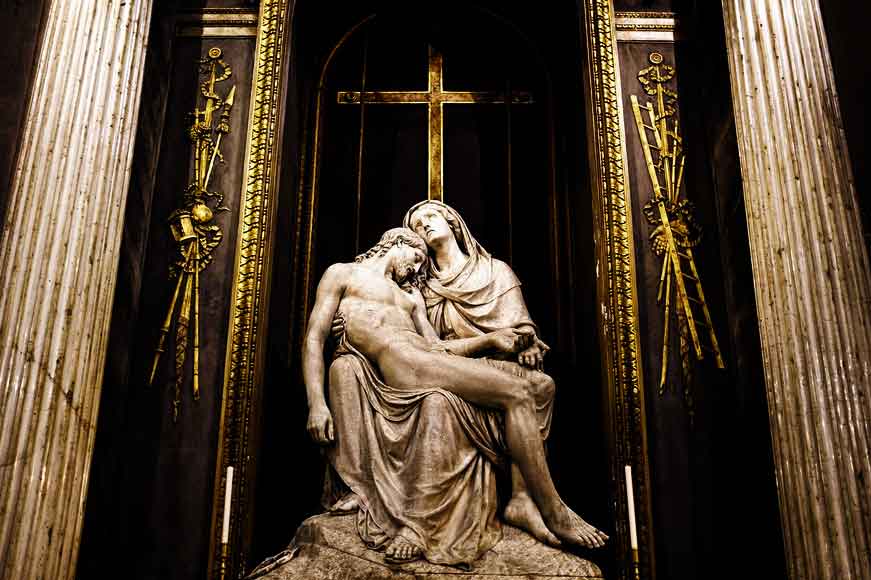
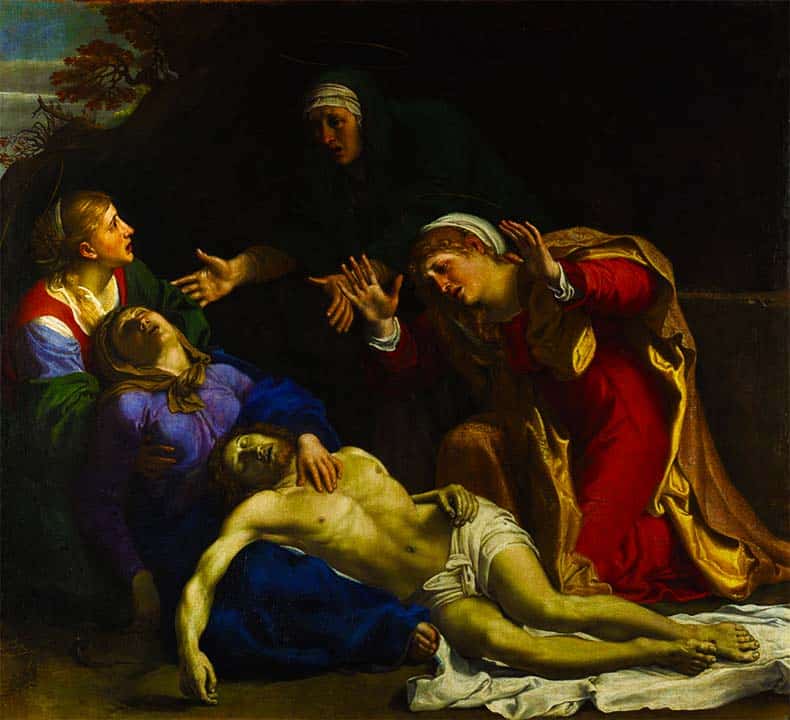
While Europe was going through a turbulent period, the course of art shifted once again in the 15th century. Baroque art began to emerge. Particularly in painting, emotional and dramatic works were produced using color schemes and tonal effects characteristic of Baroque art. In this article, we will examine the Baroque period, which emerged almost as a reaction to the Renaissance and Mannerism.
The Baroque Style as a Reaction
Religious and political unrest in Europe began to escalate with the Protestant Reformation of the 16th century. The increasing use of the printing press in Europe had a significant impact on literacy rates among the general population. In particular, the printing of Bibles made it easier for people to access sacred texts, paving the way for them to question religious authorities, such as the Church, more freely.
Protestantism emerged as a new branch of Christianity precisely during this period. As a result, interdenominational conflict grew increasingly intense. The Catholic Church’s authority over society was increasingly shaken, and the religious-political unity in Western Europe began to unravel. Seeking to counter these developments, the Catholic Church decided to use art to reach more people and regain its influence.
Numerous works of art were commissioned on behalf of the Roman Catholic Church, and it was desired that these works possess a simple, accessible religious content. This is precisely why Baroque art turned to a contemplative narrative style, rich in emotional and intricate details. The earliest works of the Baroque period were created because the Church sought to evoke a state of contemplation in those who viewed them. The Baroque artists commissioned for these works continued their efforts by showcasing all their talents and employing various optical illusions. Baroque-era works, particularly in the fields of sculpture and painting, possess a remarkably high level of energy and dynamism.
Additionally, Baroque-style works favor sharp contrasts in lighting and shading. As is the case with many artistic periods, the Baroque period was named in subsequent centuries. It is believed that the term “Baroque” derives from the Portuguese word “barroco,” meaning “irregularly shaped pearl.” The Baroque period initially emerged as a critique of the Renaissance’s dazzlingly detailed, harmonious, and consistent style.
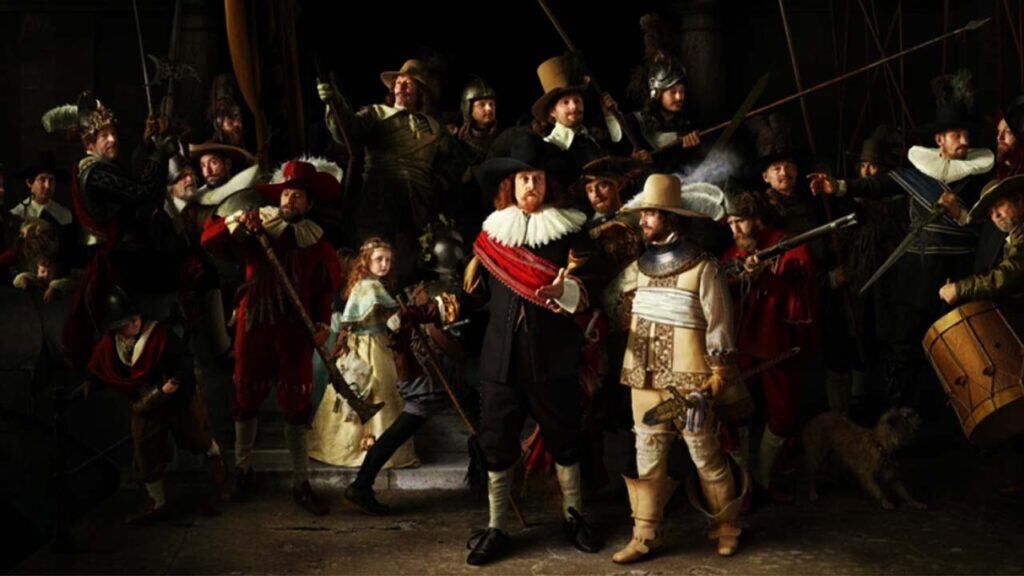
In the latter half of the 17th century, Baroque art began to extend beyond the Catholic Church and gained popularity among the royal courts and the aristocracy. This was because they used Baroque art to preserve their social image and political power. With the growth of trade and increasing prosperity, the Protestant regions of Europe also became wealthier. Over time, Baroque art manifested itself in various styles, and these different styles also gained followers.
For example, while some regions adopted more exaggerated styles of depiction, others retained their balanced and conservative characteristics. However, certain fundamental characteristics of Baroque art were always preserved. These included realism, drama, and vivid lighting effects. In many ways, the Baroque was used as a means of supporting Roman Catholicism.
Baroque Artists and New Styles
Baroque art was practiced in magnificent forms in Italy, Spain, and France. As the Baroque period progressed, artists were compelled to experiment with new approaches. This was because the Baroque was gaining widespread popularity among the public and was beginning to move beyond its original purposes, such as binding people to the church or reinforcing the power of the monarchy. Baroque art was now created to astonish people and influence their emotions and thoughts. For this reason, Baroque art quickly became fashionable throughout Europe. The Baroque style manifested itself in various architectural works, paintings, and sculptures. Baroque-style paintings were now being produced both for public purposes and for private consumption.
One of the painters who helped make the Baroque style so popular in Italy was Annibale Carracci. With his colorful and lavish paintings, Annibale Carracci helped people warm up to the Baroque style. Gian Lorenzo Bernini became famous as a Baroque sculptor, but he was also an architect, painter, and designer. The painter Caravaggio explored human passions in many of his works, combining them with a passionate realism. Certain characteristics featured in the works of Baroque artists became fundamental principles of Baroque art.
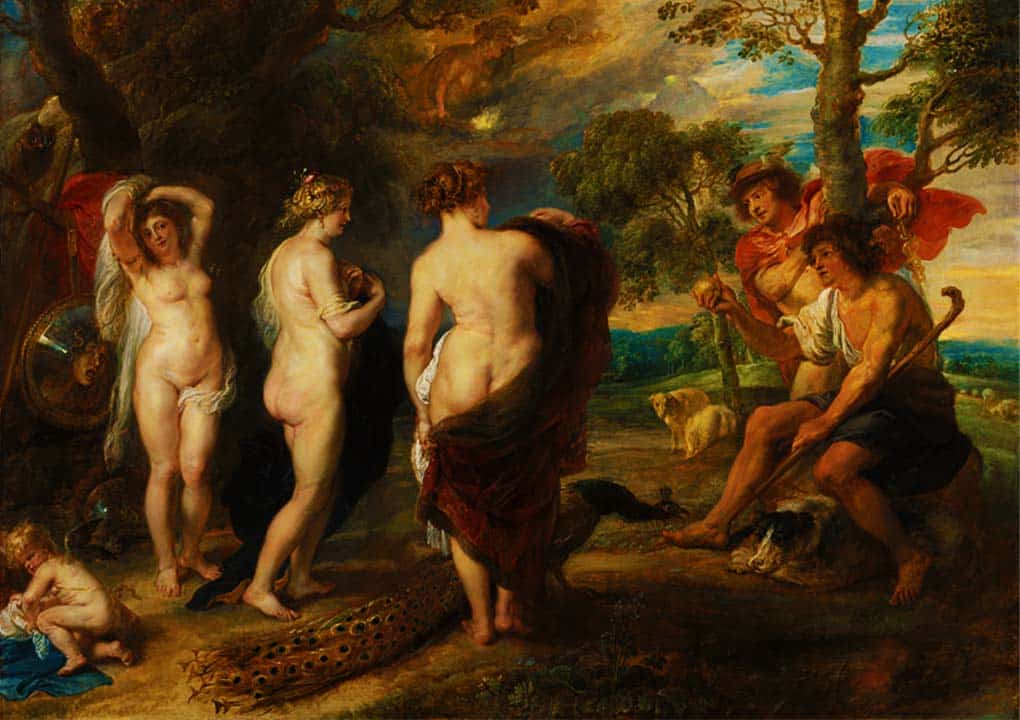
Paul Rubens and his student Anthony van Dyck also created numerous works in the Baroque style. The Baroque artist Nicolas Poussin became one of the most famous French painters of the 1600s. His works were of a type that evoked deeply emotional and evocative feelings. Diego Velázquez also applied Baroque techniques in his paintings by using bold colors and captivating spatial illusions. The Baroque period lasted approximately until the 18th century, and some of its typical characteristics have persisted to this day.