
CINEMA
-

Del Toro’s Style Through Pan’s Labyrinth
One of the greatest figures of Mexican cinema is the legendary director Guillermo del Toro. His most well-known and prominent work is the film Pan’s Labyrinth. A look at del Toro’s craftsmanship and an analysis of Pan’s Labyrinth.
-
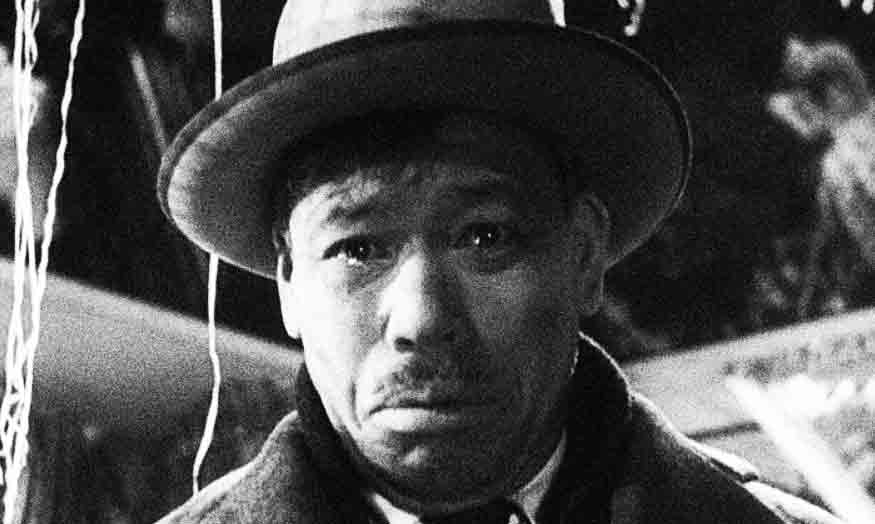
The Holy Book of Japanese Cinema: Seven Samurai (1957)
In this article, we will examine the concept of national cinema, its development within the film industry, and how Japanese cinema has left its mark on the industry through this genre. Thanks to the influence of great directors like Akira Kurosawa, Japanese cinema continues to exert an influence on Western…
-
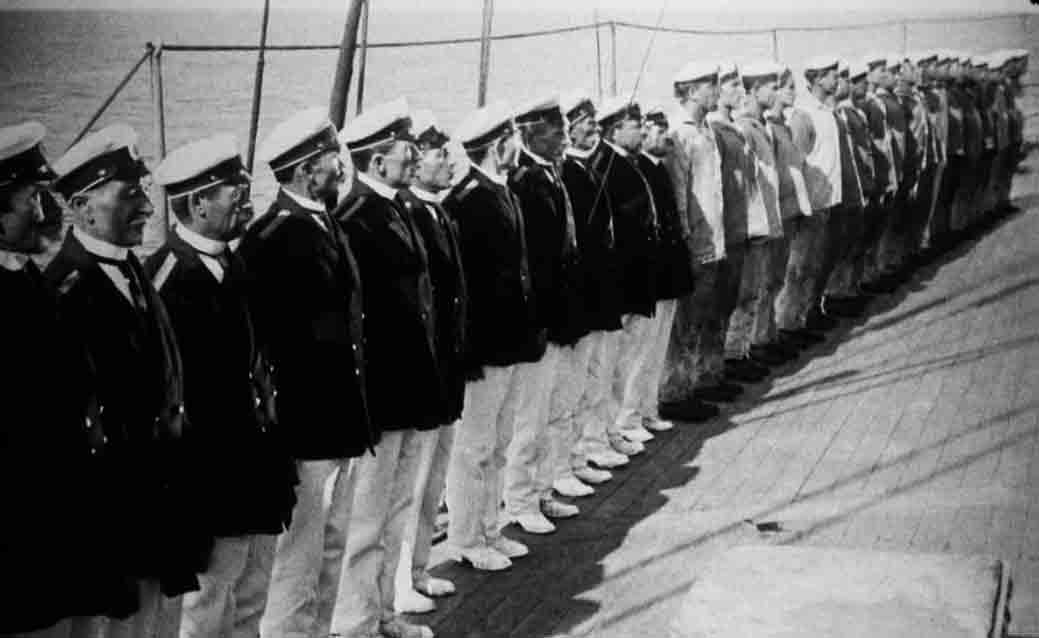
Battleship Potemkin (1925) and Soviet Montage
Long before the advancements in editing techniques, Soviet cinema had already turned to producing melodramas centered on action and plot. However, as is well known, those working on the editing and post-production stages were concerned solely with the technical aspects of editing. We will examine the Soviet approach to editing…
-

Documentary Genre: A Creative Approach to Realism
As an expression of truth and reality, the documentary should be one of the major mainstays of cinema. Bill Nichols, a renowned documentary expert, has argued that every film possesses qualities reminiscent of a documentary genre. This article will provide as comprehensive an overview as possible—albeit limited—of what the documentary…
-
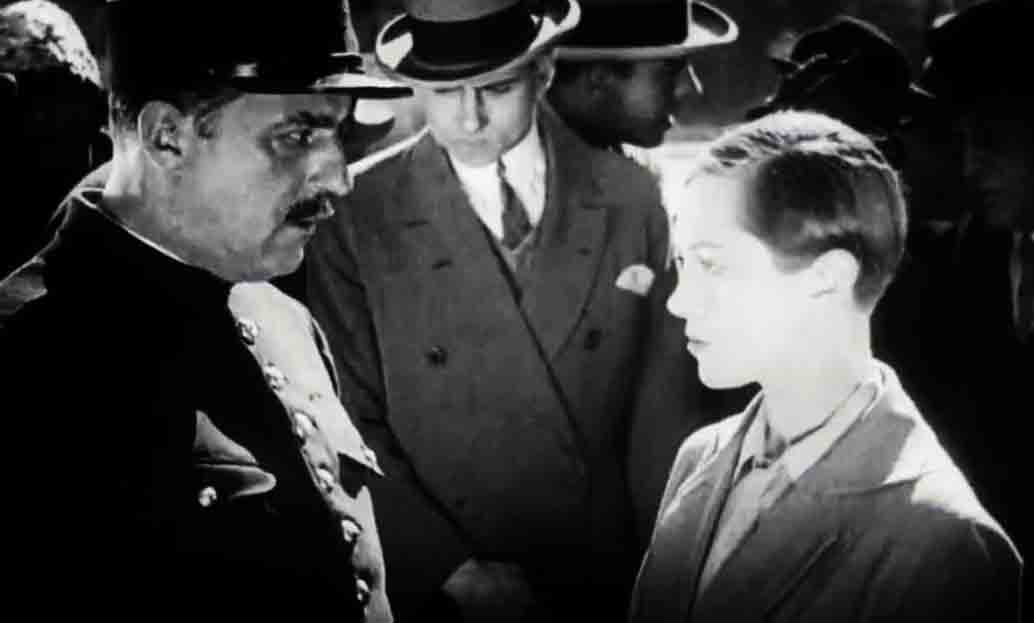
Un Chien Andalou (1929): The Cult of Surrealism
In her book Surrealism and Visual Arts, Kim Grant offers a clear definition of Surrealism for those unfamiliar with the subject: “Surrealists, who aim to access the liberated expressions of the unconscious, believe that individuals labeled ‘mad’ are actually people unconstrained by established perceptions of reality and conventional expectations.” In…
-
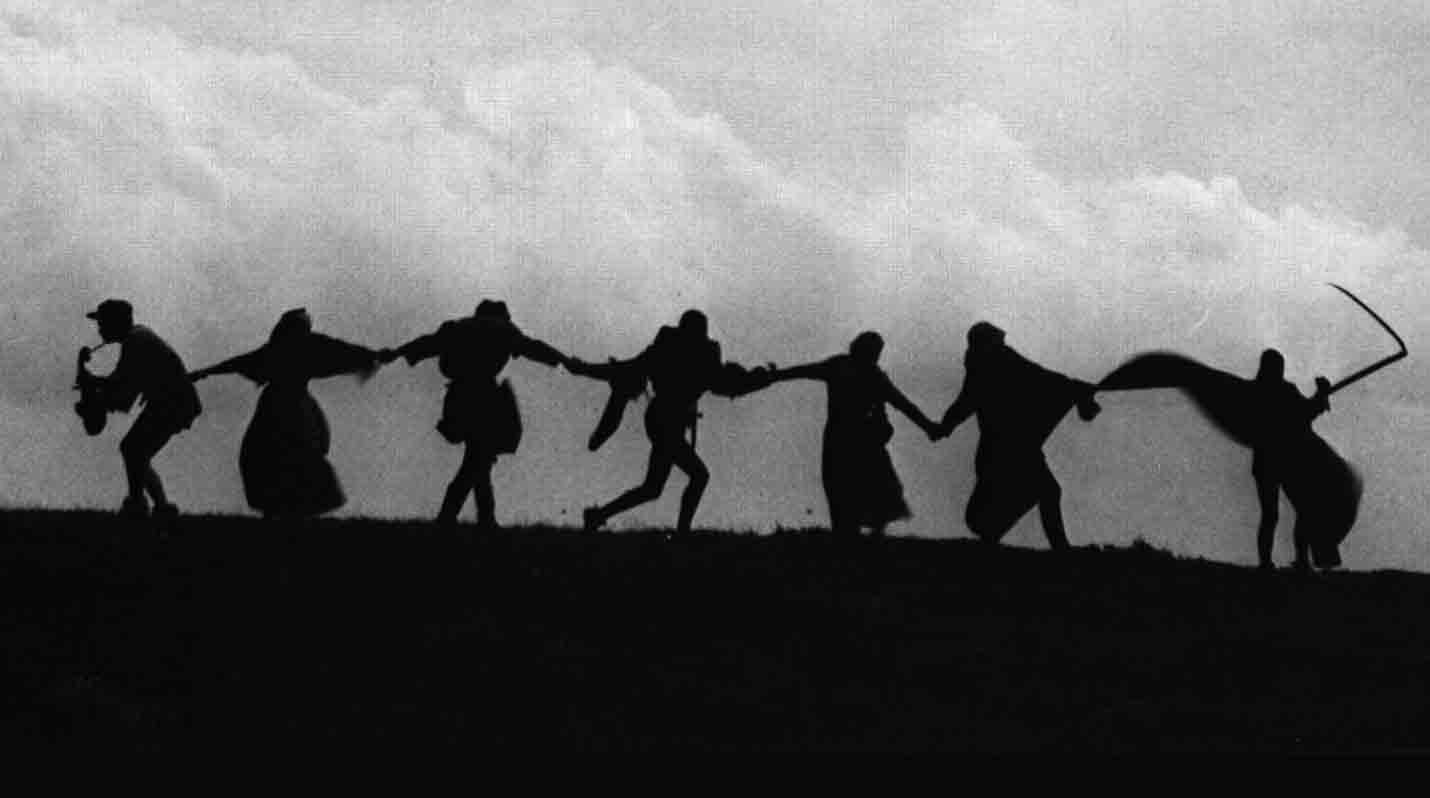
Avant-Garde Cinema and The Seventh Seal (1957)
When we speak of the avant-garde, we must consider a very broad spectrum—ranging from the works that are most familiar and recognizable to us to the darkest, most obscure narratives. We must begin the history of the avant-garde in cinema with *Persona*, a film that presents a succession of images…
-
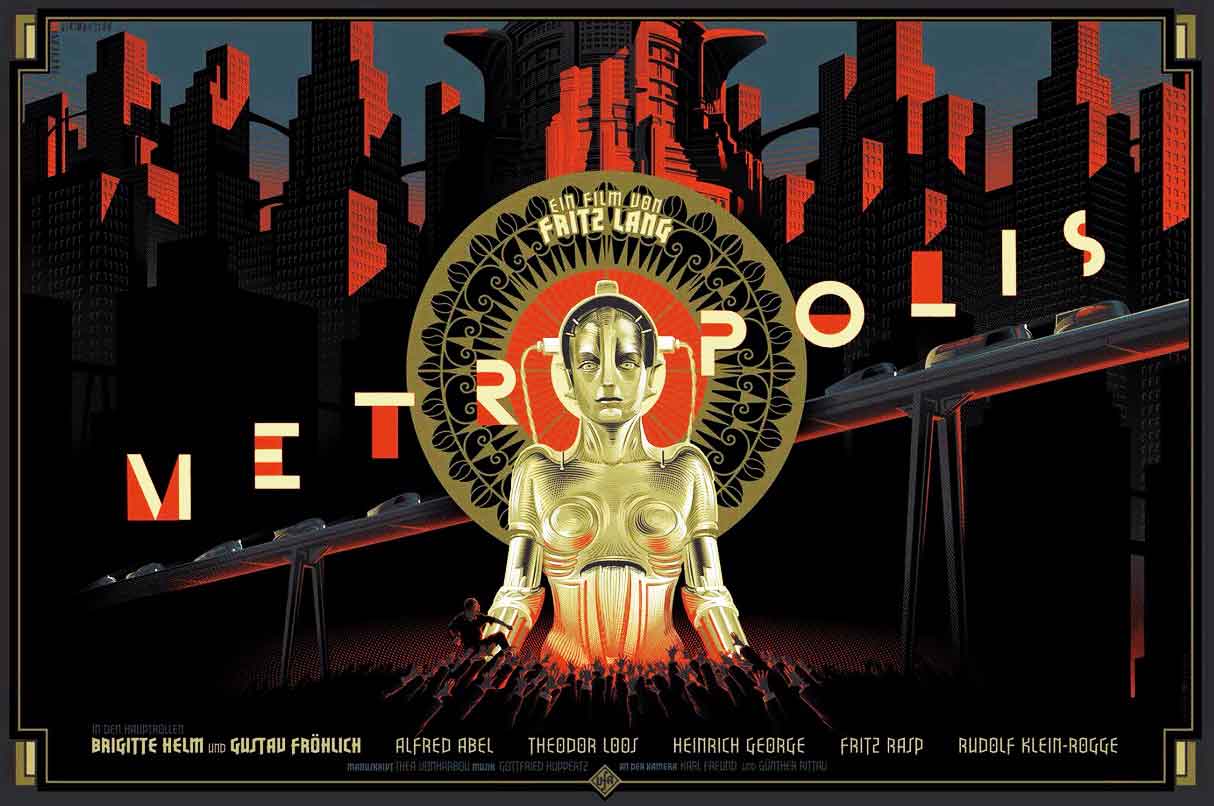
Metropolis (1927) by Fritz Lang: Expressionism in Cinema
Expressionism gained popularity in the 19th and 20th centuries, leading to the creation of many artworks in this style. Fritz Lang, a German-Austrian director, also worked on the production of many films in this style. The film Metropolis, released in 1927, is also one of these films. The film Metropolis…
-
The Impact of the Realism Movement in Cinema
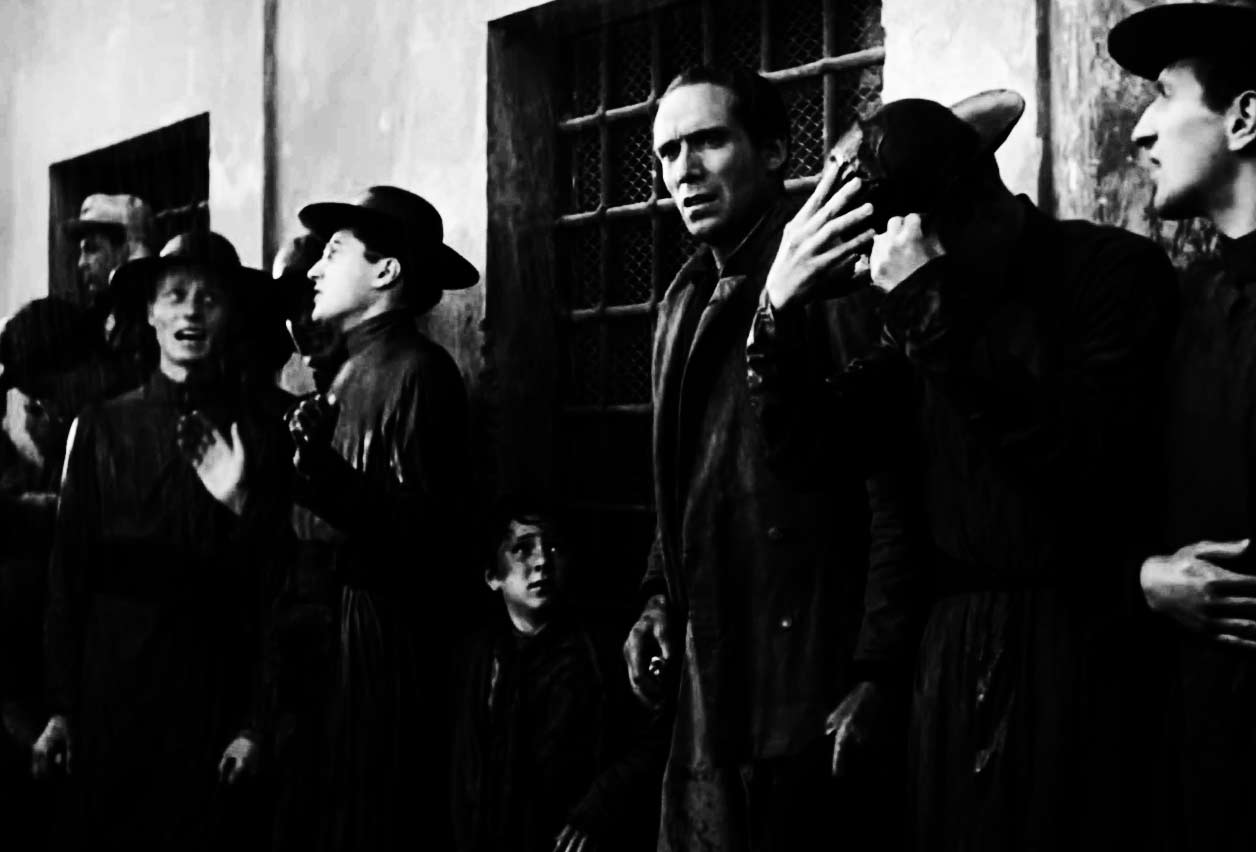
Regardless of their philosophical leanings or interests, film viewers embark on a direct journey to reinterpret the world through the films they watch. In this article, we will examine the influence of the Realism movement on the art of cinema and the forms of expression within this movement, as well…