
ART HISTORY
-
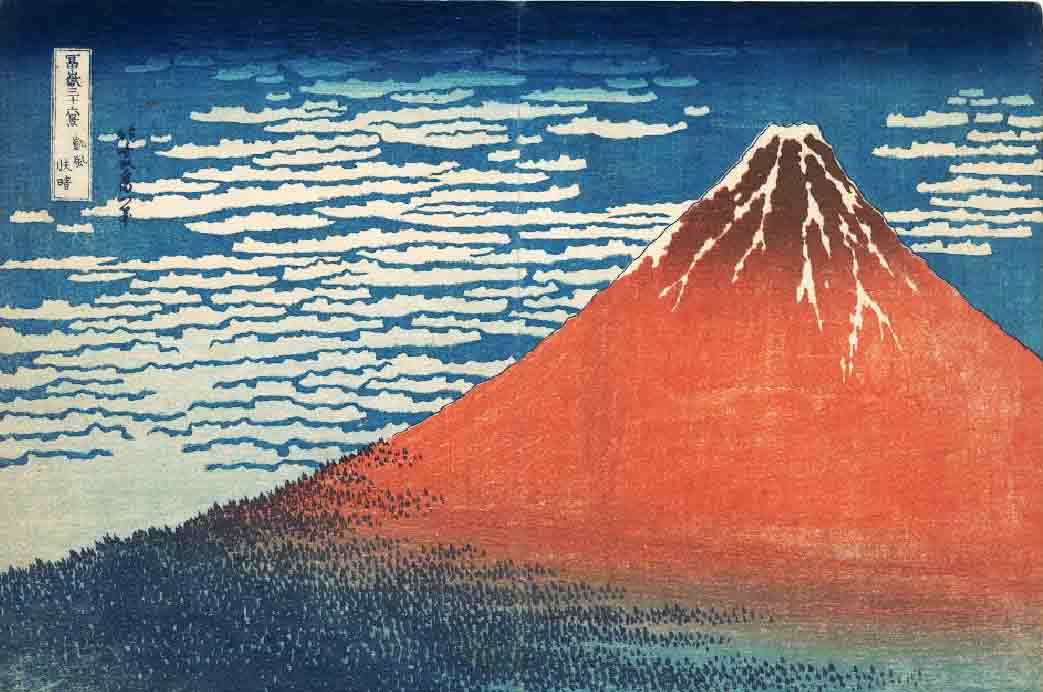
Ukiyo-e | The Simplicity of Japanese Art
Ukiyo-e is the name given to a type of print that originated in Edo (now Tokyo). “Ukiyo” is a Buddhist term meaning “the transient world” of ever-changing circumstances. The Japanese word “e” means “picture,” so ukiyo-e translates to “pictures of the transient world.” From 1603 to 1868, during the period…
-
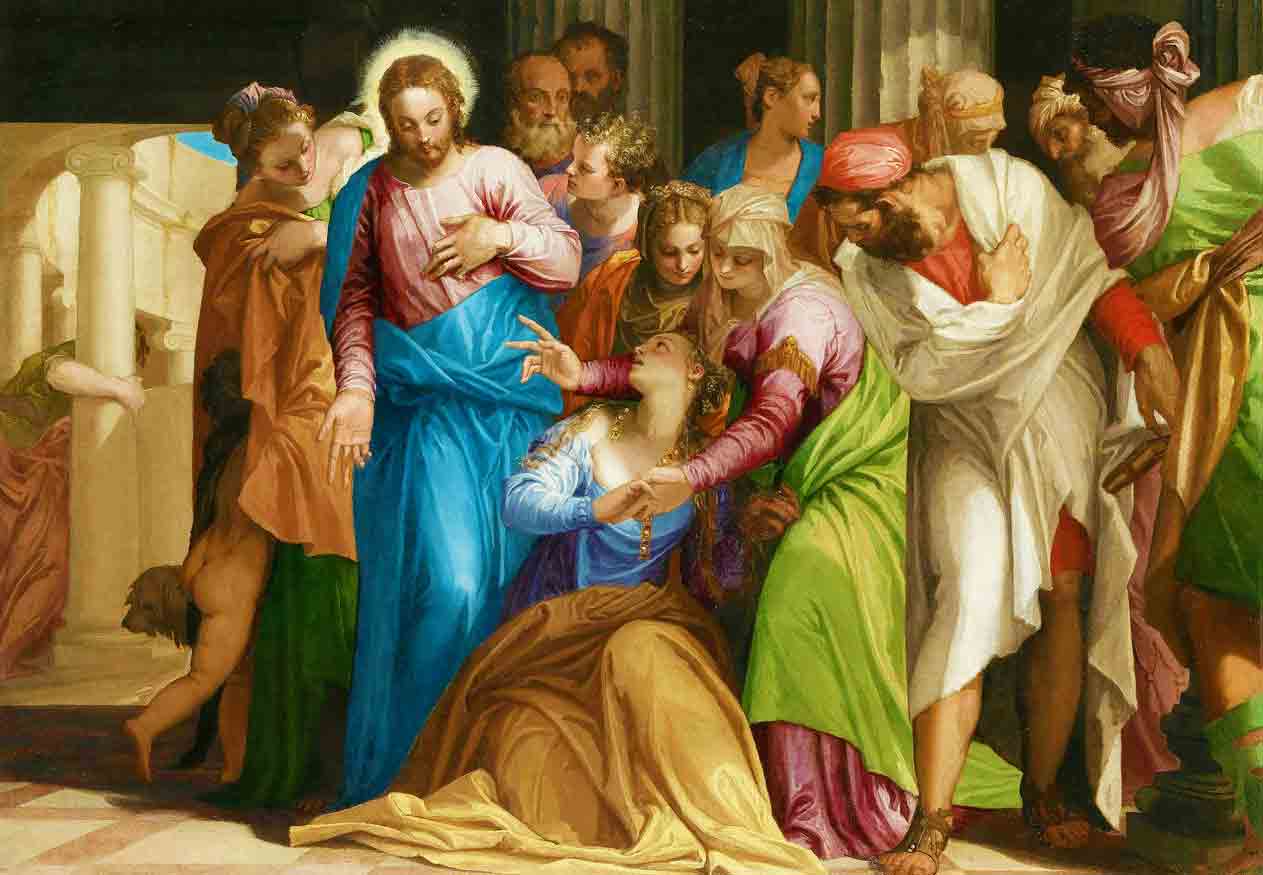
Mannerism Art Movement: Intellectual Waves in the Sea of Elegance
Mannerism developed in Florence and Rome in the 1520s amid social upheavals such as the Protestant Reformation, which divided Central Europe; the plague, which killed thousands; and the Sack of Rome in 1527. In response to these turbulent times, many artists abandoned the harmonious ideals of the Renaissance and began…
-
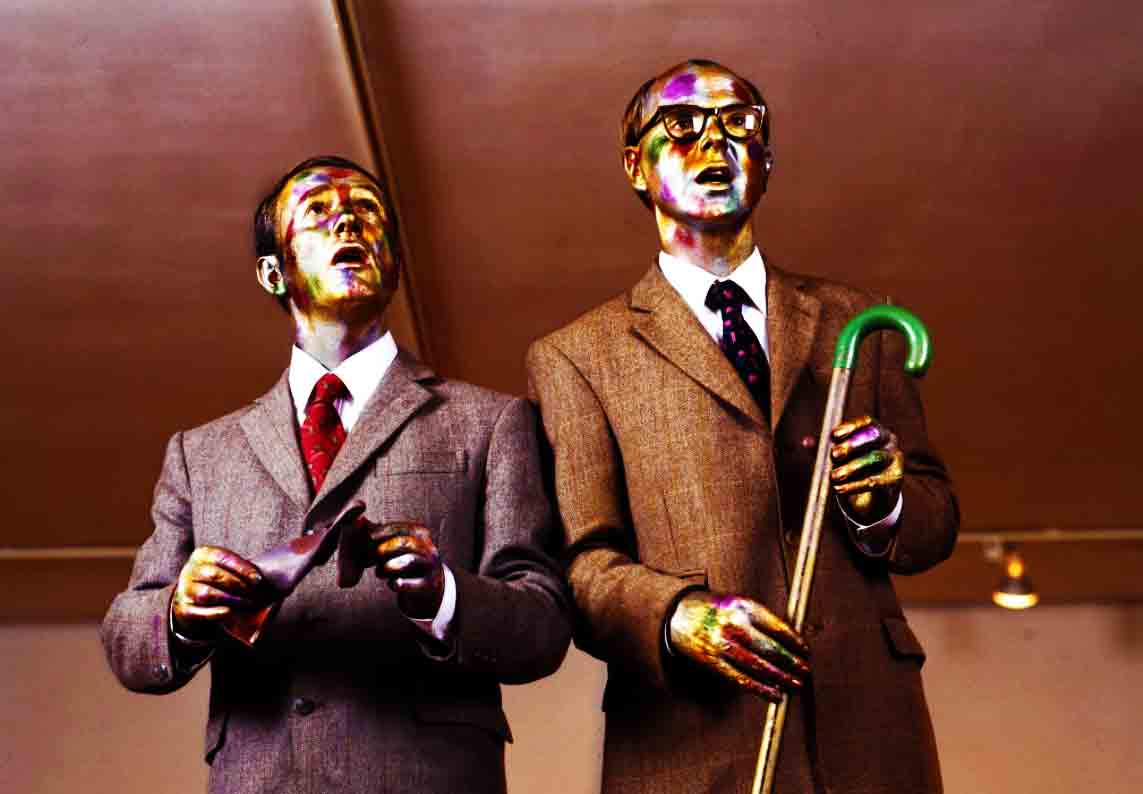
What is Performance Art
Performance art, which has its roots in the theatrical performances staged by the Futurists, Surrealists, and Dadaists—particularly the events held at the Cabaret Voltaire—as well as in Action Paintings and the “Formations” of the 1960s, is generally classified as a part of Conceptual Art. This form, which was seen in…
-
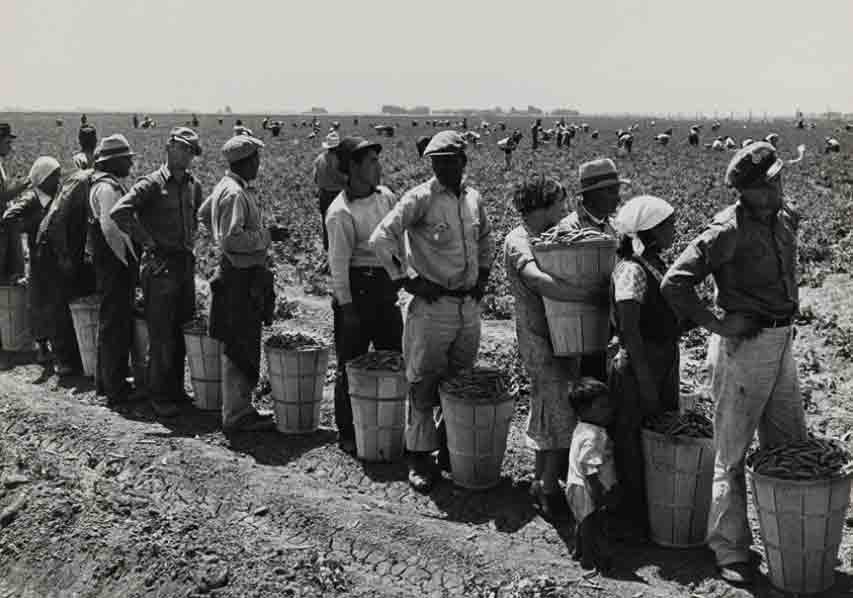
The Birth of the Social Realism Movement in the 20th Century
Unlike Socialist Realism—which was designated as the official art form of the Soviet Union by Joseph Stalin in 1934 and later adopted by other communist parties—Social Realism is an art movement that emerged in the 1930s, particularly in the United States. Generally, it has conveyed a message of protest by…
-
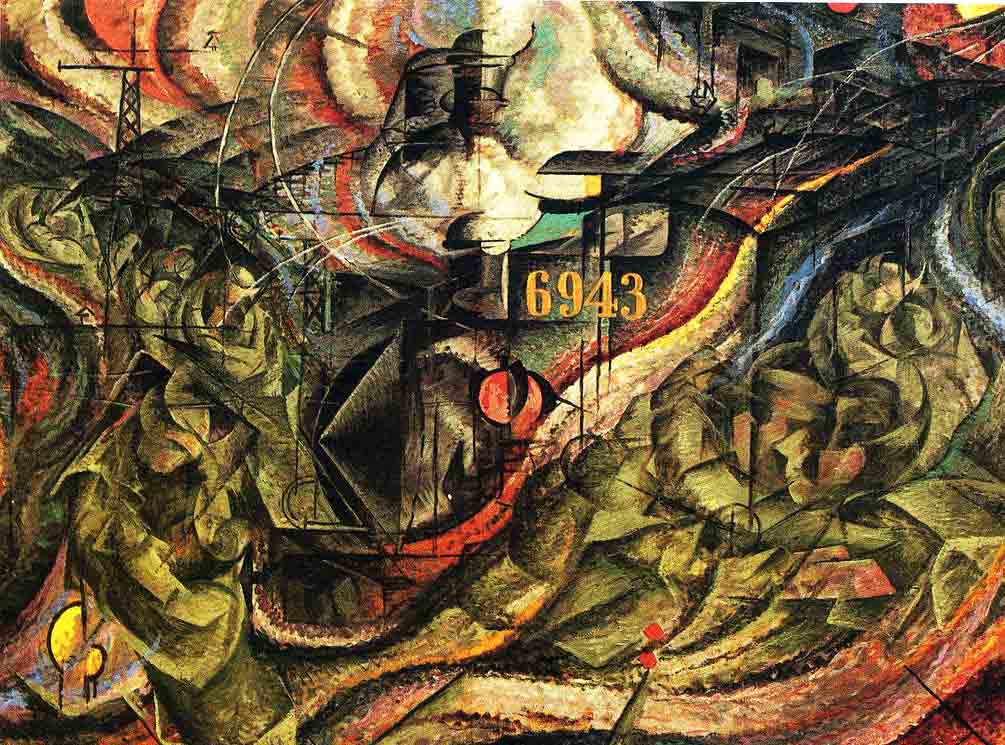
The Beauty of Speed: Futurist Movement
While the Cubists continued their work in France, a group of artists in Italy was debating other artistic ideas. Calling themselves the Futurists, they embarked on a form of artistic production that embraced what they saw as the new and magnificent world of modern technology—from 1910 to 1916—a movement they…
-
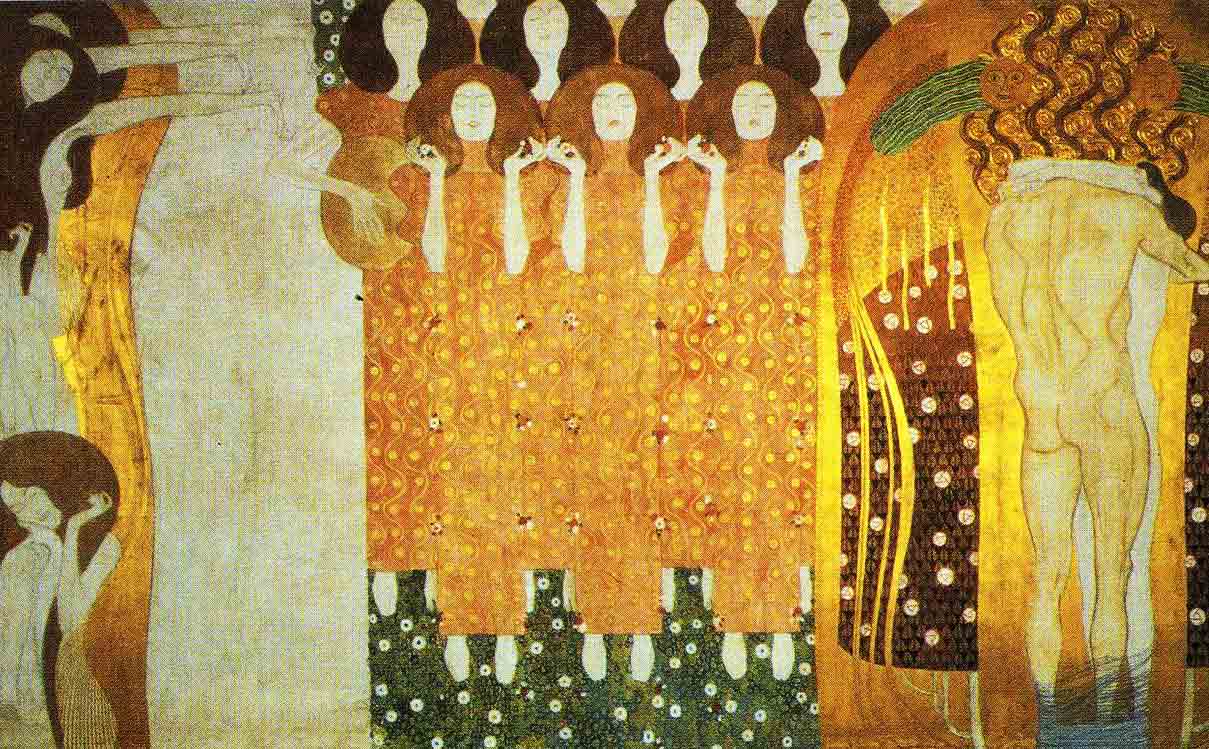
Art Nouveau as a Bridge Between Fine Arts and Applied Arts
Toward the end of the 19th century, a group of enthusiastic artists and designers set out to create an international and modern style. This art and design movement emerged in many ways as a reaction to the Industrial Revolution. Although its fundamental principles remained similar, as Art Nouveau (New Art)…
-
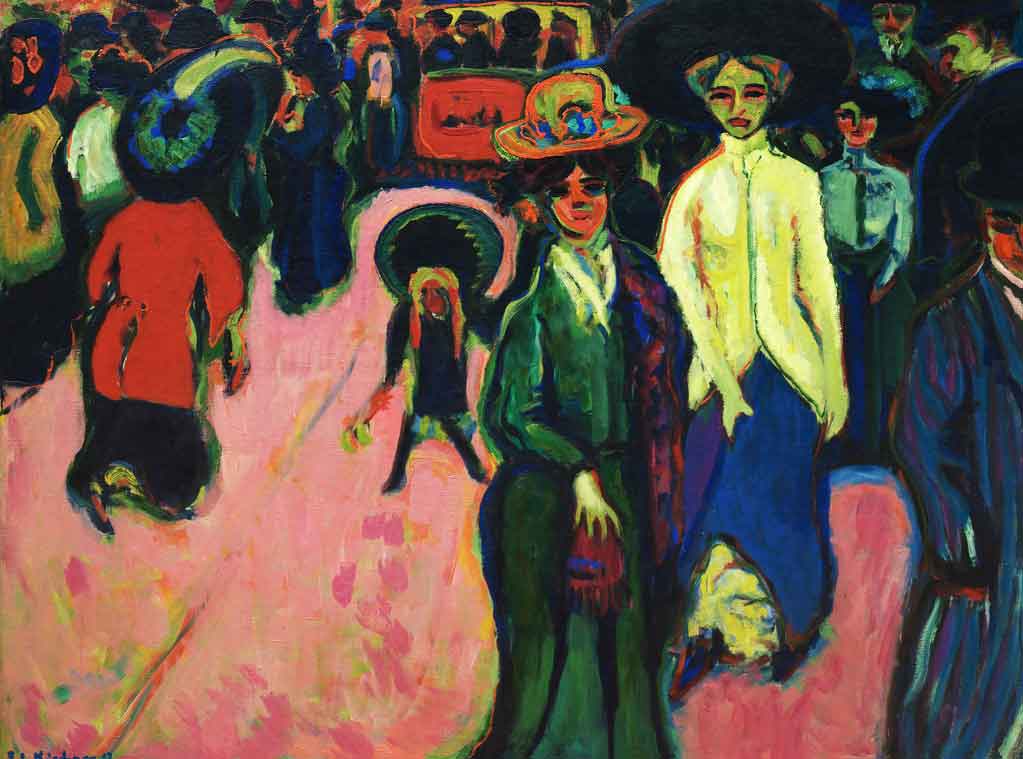
Expressionism and 2 Main Expressionist Groups
With their vibrant colors and striking brushstrokes, van Gogh, Gauguin, and the Fauves paved the way for Expressionism. Emerging and flourishing amidst the climate of unrest in early 20th-century Germany, Expressionism emphasized powerful, sincere, and individual depictions that reflected the artists’ own perspectives. It was an entirely subjective movement lacking…
-
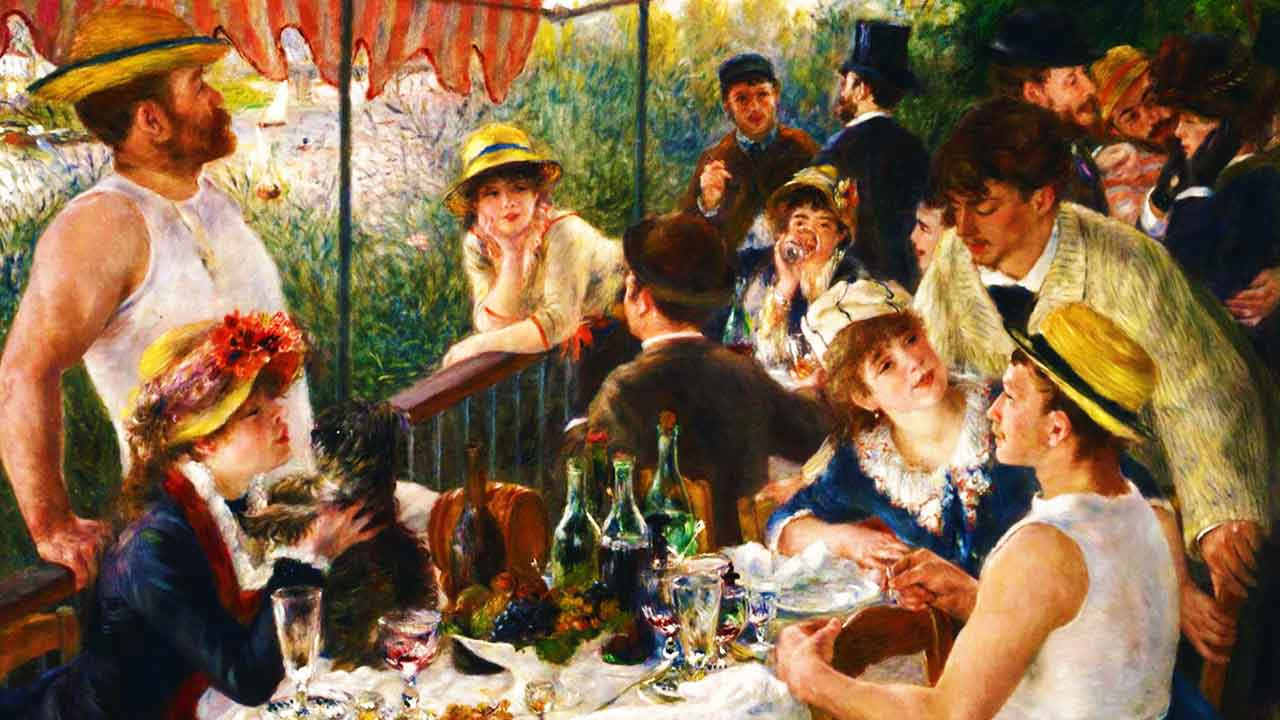
Auguste Renoir (1841-1919): The Painter of Beauty
Pierre Auguste Renoir, one of the most prominent figures in modern art, was a pioneer of the Impressionist movement, and his long artistic career spanned approximately sixty years. Although his artistic style underwent changes during this long period, the fundamental principles of his artistic philosophy remained unchanged. Renoir was also…
-
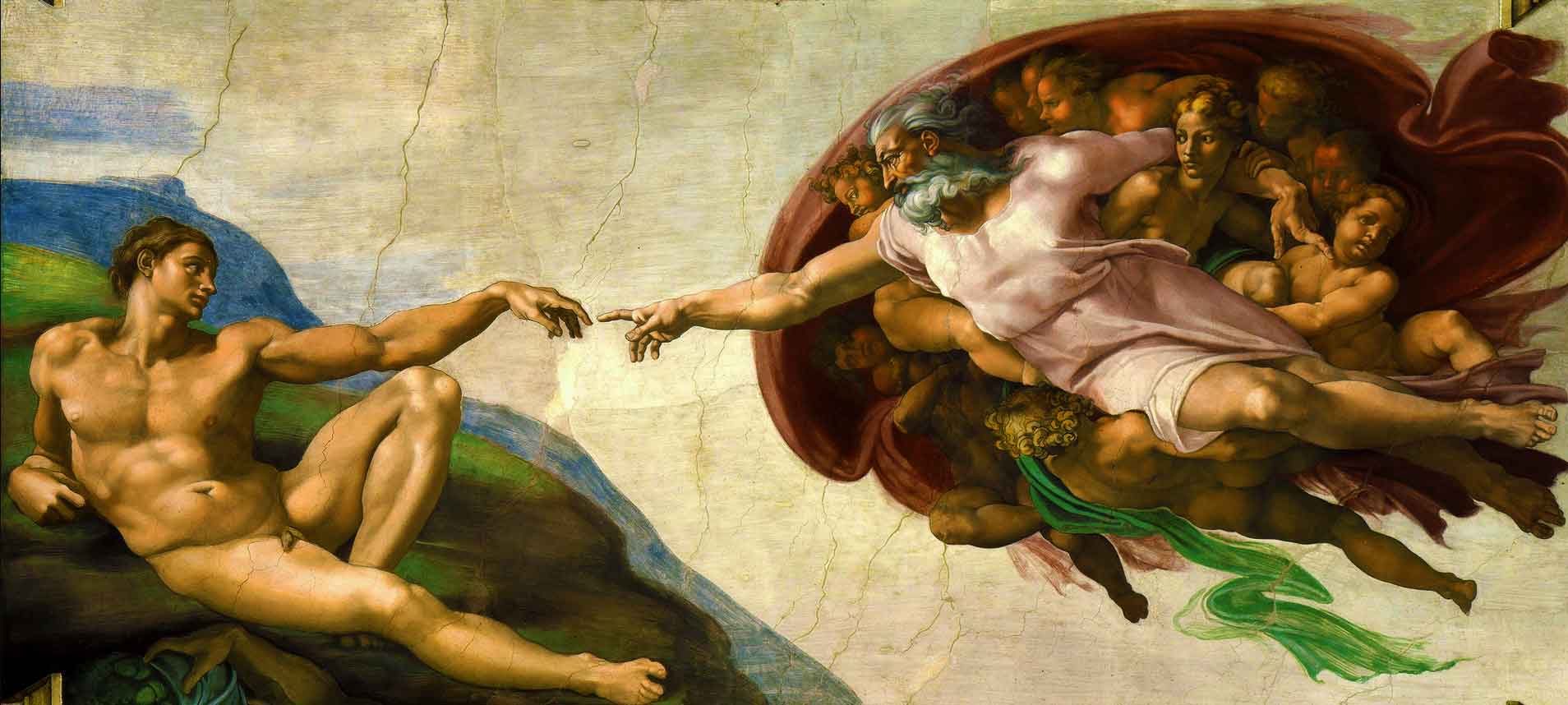
The Life and Works of Michelangelo
The life of Michelangelo Buonarroti, one of the brightest stars of the High Renaissance, has profoundly influenced artists, architects, and art historians since the 1500s. The catalog of unique works he created throughout his life showcases one of the greatest artists of his time.
-
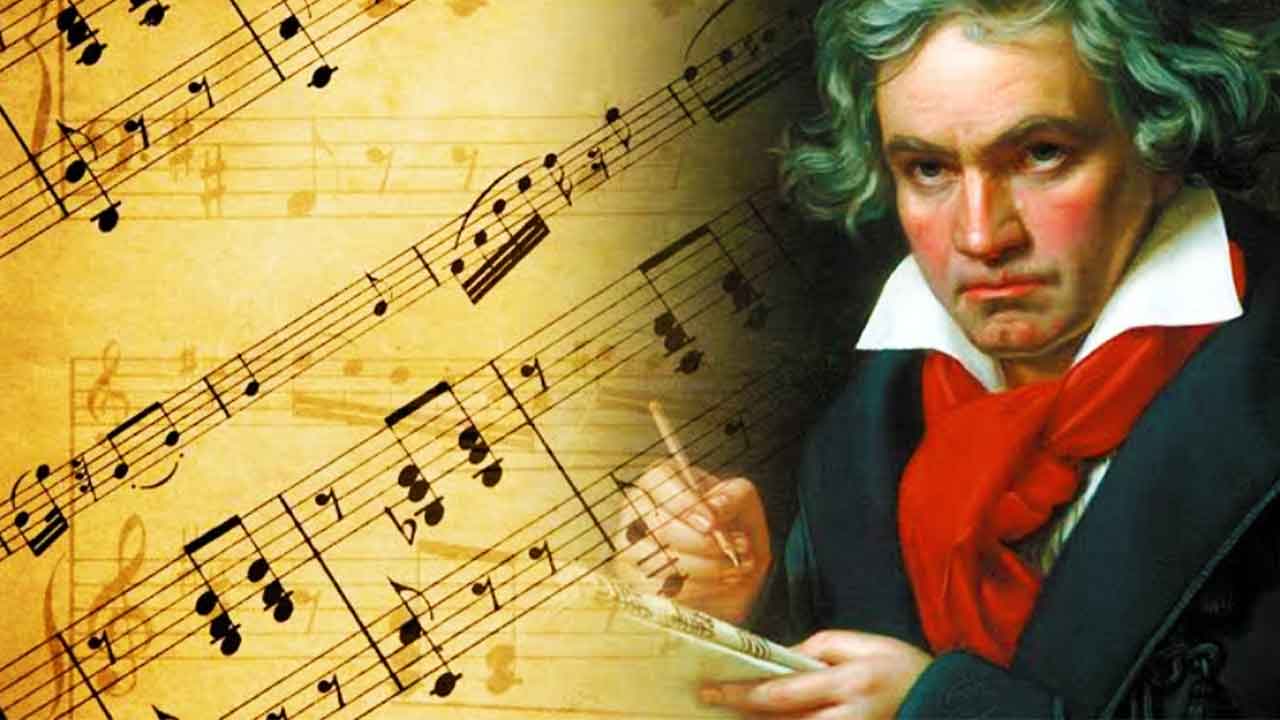
Ludwig van Beethoven | The Passion for Beauty
Ludwig van Beethoven, one of the most important figures in music history, with his striking and inspiring compositions, has inspired many people to believe that European aristocrats could establish themselves as serious artists. Beethoven laid the foundations of the piano in the modern sense and transformed it into an instrument…