In the 19th century, there was a significant increase in the number of realist artists who began to focus on social realities rather than emotions and imagination. These realist artists also adopted an attitude that rejected traditional ideas and approaches in art. By rejecting art movements such as Neoclassicism and Romanticism, they focused on depicting everyday and ordinary life as realistically and objectively as possible. In this article, we will examine the place of the Realism movement in art.
The Rejection of Traditional Approaches to Art
Realist artists, who opposed the traditional notions of art that had persisted for years, also possessed a revolutionary spirit. They supported new innovations, closely followed technological advancements, and defended individual rights that had risen with the French Revolution. For example, Gustave Courbet, a realist artist, was one of the sympathizers who was punished after the French government reestablished its authority following the seizure of power in France in the late 19th century. They disliked the academic approach to painting. The reason for this was the focus on themes detached from social reality. The Realism movement emerged as a result of realist artists’ desire to depict social life and people’s daily lives. By addressing everyday subjects in their works, realist artists also supported human rights.
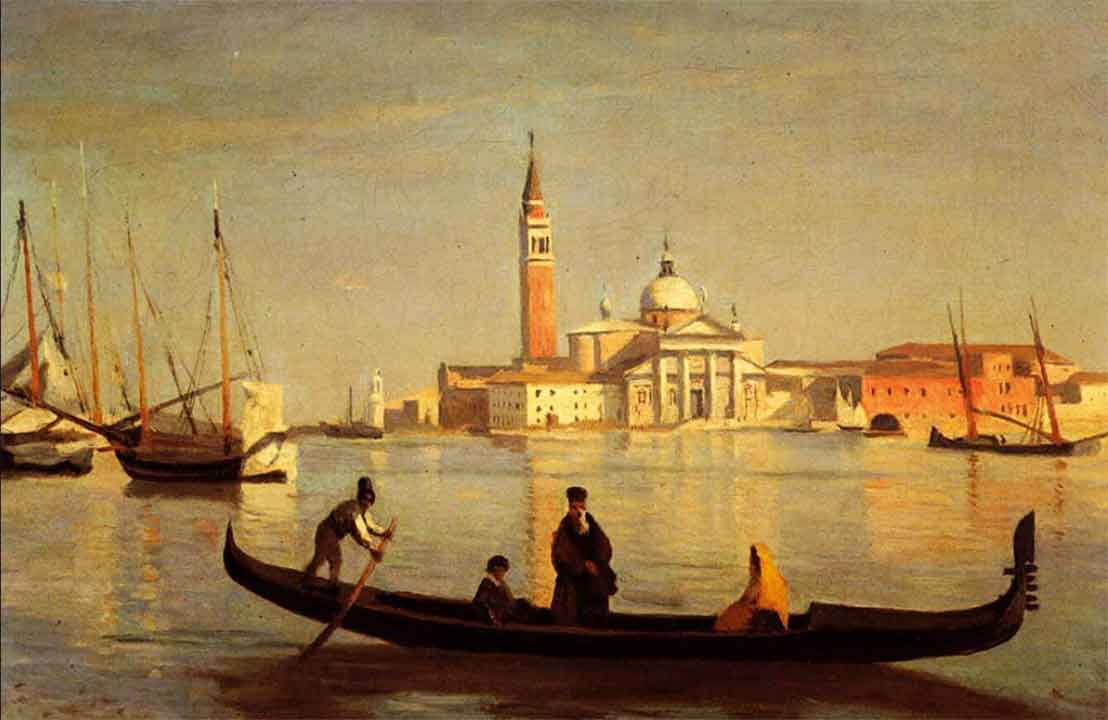
The Realism movement first emerged among English artists. Their efforts to depict nature objectively and as it is inspired many French artists, particularly groups like the Barbizon School. Inspired by this, these artists began creating works in the Fontainebleau Forest in the Barbizon region of France during the 1800s. Even though their efforts went unrewarded in the early years, the fact that they painted outdoors rather than in studios lent legitimacy to their unique artistic concept. The themes they explored were so different from those addressed in academic art that many who saw their works took offense at this artistic approach. For such people, what they expected from art was not that it confront them with reality. Art had ceased to be a tool that allowed them to distance themselves from reality.
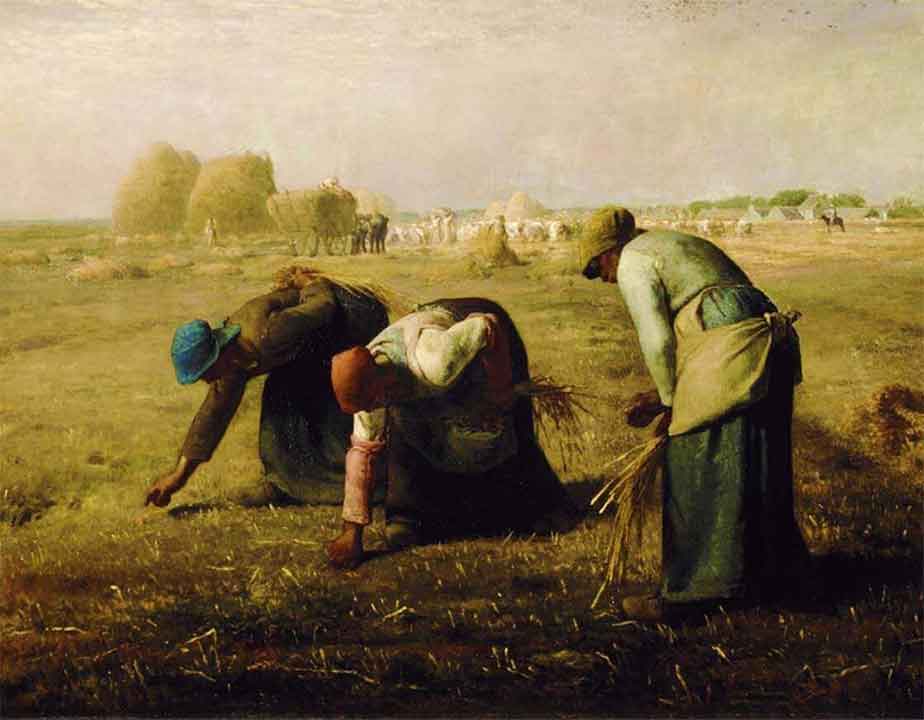
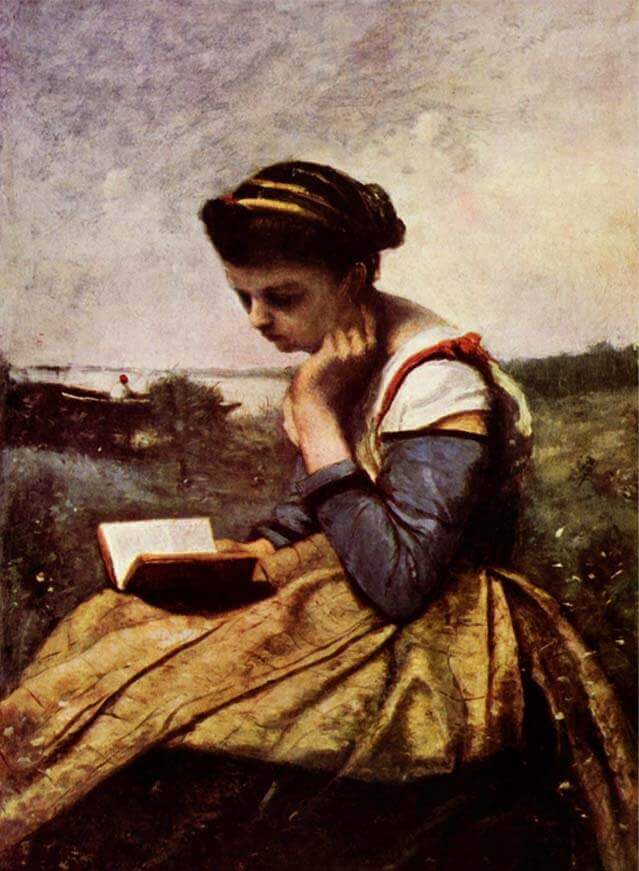
Themes such as poverty, which had always been depicted in ornate and trite ways up until then, were now being addressed for the first time in an extremely realistic manner, free from unnecessary interpretations. Examples of artists from the Barbizon group include Charles-François Daubigny, Théodore Rousseau, Camille Corot, Constant Troyan, and Narcisse Diaz de la Pefia. Realist artists were not a cohesive whole among themselves, nor was there consistency among them. In fact, many artists viewed realism as a stepping stone toward more innovative ideas. The approach of Realist artists to the themes they explored in their works gradually diverged from that of Academic painters, thanks to the Barbizon School and new scientific developments.
They strove to depict objects as closely as possible to how they actually appeared. Rather than focusing on details such as bold brushstrokes or subtle tonal nuances, they concentrated on portraying what they saw in a manner as true to life as possible. Another aspect they paid attention to was the two-dimensional nature of their canvases. Realist artists also addressed a wide variety of subjects, ranging from peasants working in their fields to landscapes, and from ordinary figures to scenes from daily life. Although the works created by the Realists shocked traditional artists, they also depicted the poverty of the peasantry and the working class, as well as the harsh realities of life, thereby highlighting the contemporary issues of modern life.
French Artists’ Encounter with Realism
With the invention of the camera in the 19th century, debates began to emerge regarding the nature and essence of art. Some argued that technological advancements would render painting obsolete. However, these developments essentially led to the emergence of new ideas for many realist artists. Realism is one of the artistic styles that emerged as artists sought to reflect the unique appeal of ordinary, everyday subjects. Like photography, the innovations of the era would serve as additional tools for them to use in creating their works. With this approach, Realists challenged both academic art and vulgar artworks, introducing a modern, contemporary approach to art that reflected the voice of society rather than that of a minority.
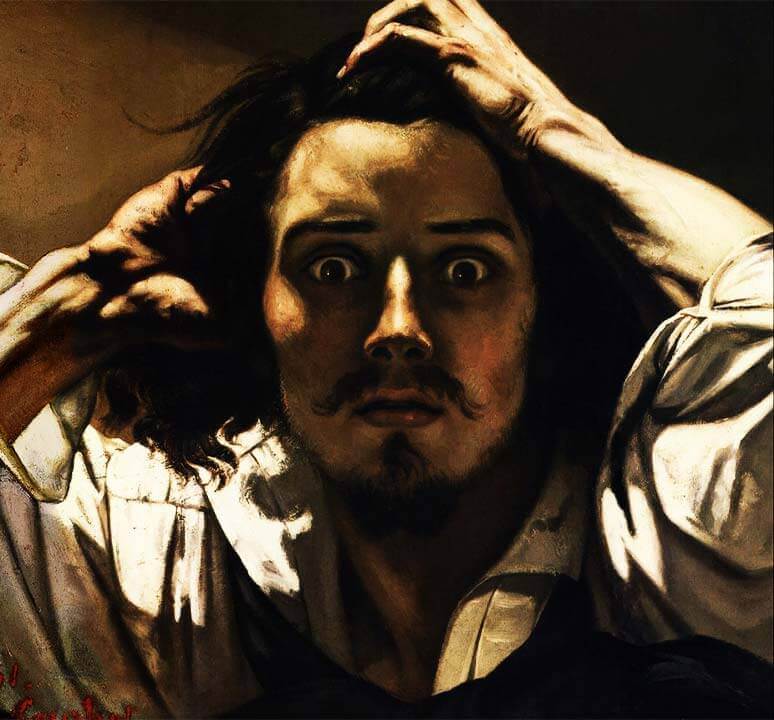
Realists did not adhere to a fixed, standardized style. In fact, their sole common goal was to depict realistic subjects free of artificial elements. For example, the artistic styles and techniques used by Realist artists such as Millet and Courbet are quite different from one another. In 1855, Gustave Courbet was not permitted to exhibit at the World’s Fair held in Paris in honor of the new emperor, Napoleon III. As a result, Courbet built the “Pavilion of Realism” near the fairgrounds and exhibited his works there. In Realist art, works on large canvases—as was customary in the academic art tradition—were predominant. However, these works did not address noble or grandiose themes but rather ordinary subjects.
According to the academic art tradition, large paintings were supposed to depict only sacred, religious, mythological, and historical subjects; Realist artists, however, defied this rule. Courbet’s works were direct and bold, and the techniques he used (such as the “impasto” technique) were considered quite crude. Courbet, along with some art critics close to him, drafted a manifesto titled “Le Realisme” and distributed it at his exhibition. In this way, he sought to make people aware of the Realist movement and its principles. Other prominent Realist artists besides Courbet include Millet, Rosa Bonheur, Winslow Homer, Jules Breton, and Thomas Eakins. Of course, we can also consider some English landscape artists as Realists. Realism was essentially about challenging traditional perspectives with new ideas.
In this article, we have attempted to provide some information about the Realism movement and Realist artists. We examined the goals of Realist artists and the functions they sought in art. It is also important to remember that realist artists emerged and practiced their art during a time when the world was shaken by revolutions. In other words, it is appropriate to consider these artists and their ideas within the context of the era in which they lived. We must view both the Realism movement and realist artists in this way. Ultimately, artists are a mirror of their societies; they reflect the dynamics of their own societies and times through both the themes they explore in their works and their personal ideas, just like romantic artists.