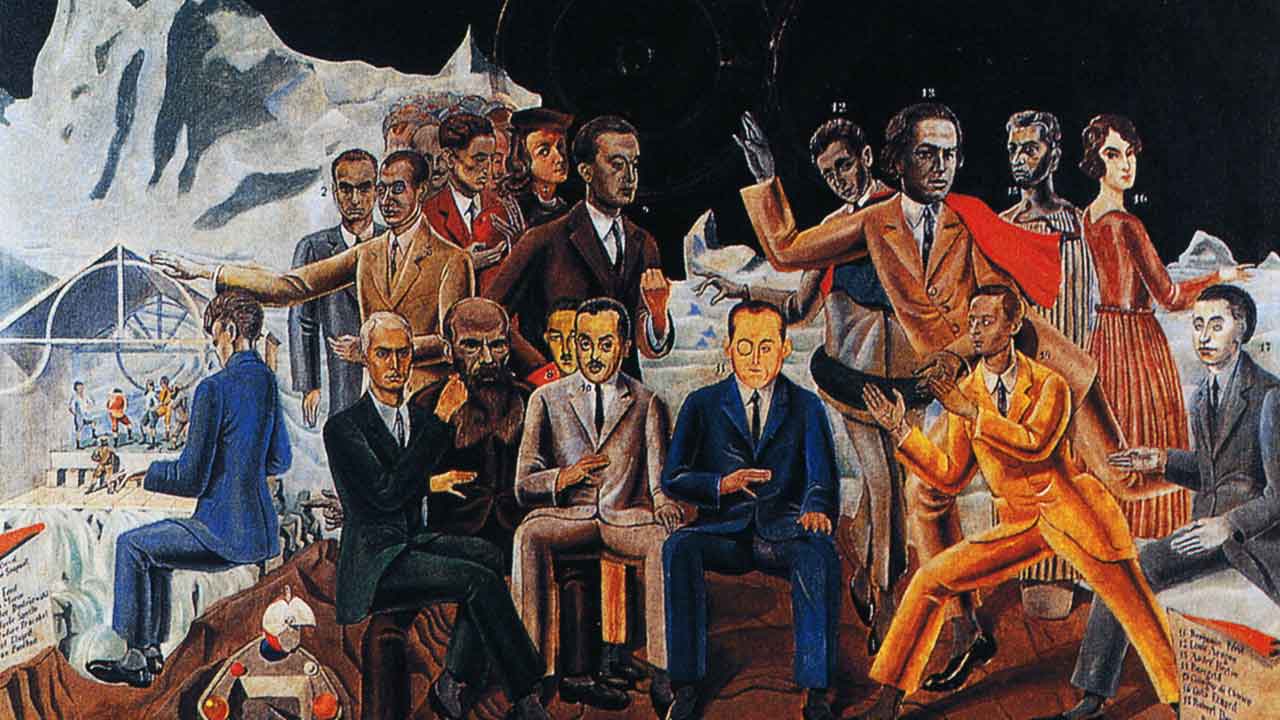
The Surrealist movement first emerged as a literary movement with the publication of the Surrealist Manifesto by Philippe Soupault (1897–1990), André Breton, and Louis Aragon (1897–1982). Surrealism is akin to the artistic reflection of the crisis period following World War I, and the fact that it emerged as a post-Dada movement further reinforces this claim. Leading Surrealists defined the purpose of Surrealism and Surrealist art as the revelation of mental processes suppressed by the conscious mind.
The Artistic Expression of The Subconscious
The term “Surrealism” was first coined by the poet, playwright, and art critic Guillaume Apollinaire. The concept of Surrealism, which can also be interpreted as “super-realism,” gained widespread popularity in 1924 when Aragon, Soupault, and Breton used it in their manifestos. The poet Breton, a former Dadaist, viewed painting and art as a means of expressing the deepest thoughts within us. In this perspective, he was influenced by Sigmund Freud, the founder of psychoanalysis.
Freud identified a part of the human mind where our most basic drives, desires, memories, and delusions are stored, and he called this part the unconscious. Our dreams, meanwhile, emerged as a kind of expression of the thoughts repressed in this unconscious. For this reason, he believed that by analyzing dreams, we could also understand a person’s unconscious. In other words, through specific methods, we could access the unconscious and understand the complex workings of the human mind.
One of the methods Freud used to access the unconscious was “free association,” in which a person thinks not in terms of reason and logic, but along emotional and intuitive lines. The number of Surrealist artists grew over time, and Surrealist art gained many representatives. These Surrealist artists also applied Freud’s free association method to their art.
Breton specifically named this method “pure psychic automatism.” This method involved writers, painters, and other artists limiting conscious thought to allow their emotions and intuitions to guide their brushes or pens. Surrealist artists thus believed that the unconscious emerged, giving form to deep-seated emotions and thoughts within their artworks. Surrealist artists aimed to reconcile their conscious and subconscious minds in their works and to express this union in a tangible way. We can see concrete manifestations of this aim in all Surrealist works.
When the Surrealist Manifesto was published, Antonin Artaud opened the Bureau of Surrealist Research. This office in Paris had become a gathering place for many Surrealist artists. There, they studied psychological theories and participated in discussions about Surrealist art. Although Surrealist art is often seen as an extension of the Dada movement, there are also points where Surrealism diverged.
Unlike the Dada movement, Surrealism favored a more functional approach. The Surrealist artist Breton began editing a magazine titled *La Revolution Surrealiste* around 1924. The first Surrealist exhibition was held in Paris in 1925. This exhibition featured artists such as Picasso, Max Ernst, and Pierre Roy. In 1928, Breton published the Second Surrealist Manifesto along with a book titled *Surrealism and Painting*.
Surrealist Painters and Paintings
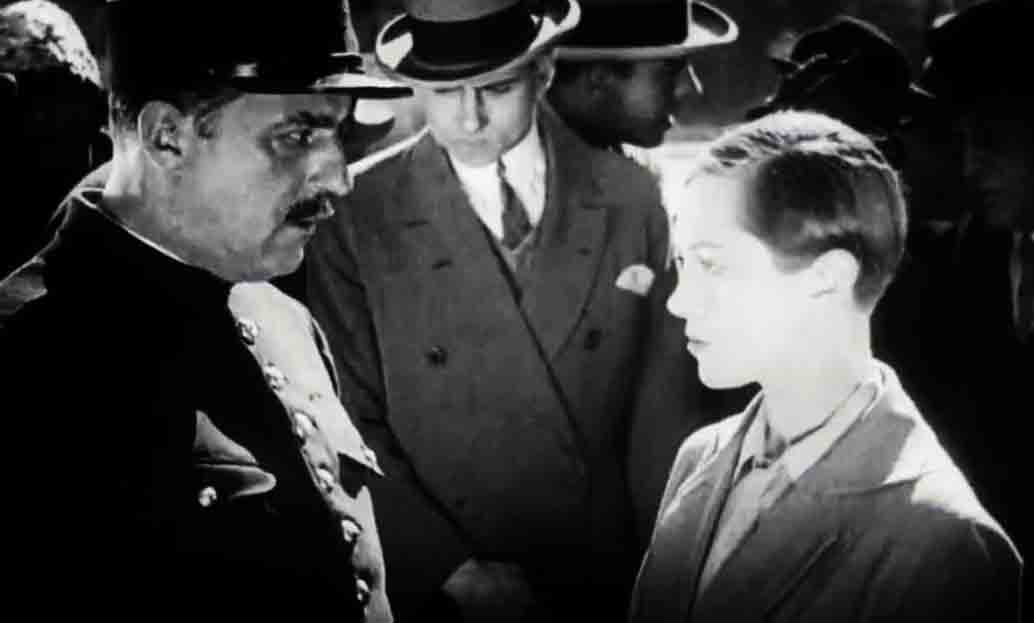
That same year, director Salvador Dalí joined the ranks of Surrealist artists with a film titled *Un Chien Andalou*. The film, which clearly lacked a specific theme, generated great excitement at its initial screenings. Many other successful surrealist artworks could be cited as examples. The surrealist movement generally aroused excitement and interest among people. Surrealism does not have any rigid, fundamental principles.
However, there are three basic approaches that have been widely accepted by Surrealist artists and used in Surrealist art. The first approach focused on stimulating the imagination by reflecting it in the artwork and employing more mechanical techniques. One of the primary techniques used, “frottage,” involved creating random motifs and bizarre-looking images. This would ensure that hidden thoughts were brought to light.
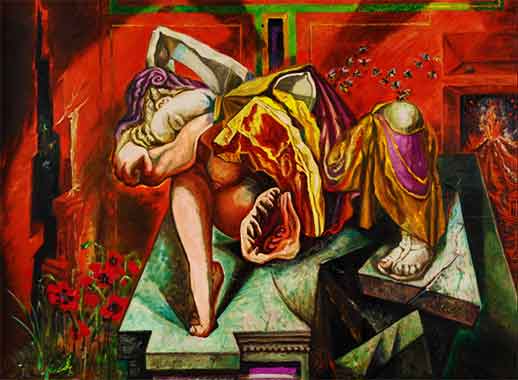
The surrealist artist Ernst developed a new method by combining the frottage technique with oil paint and named it the “grattage” technique. The prominent features of Surrealist paintings were designed to draw viewers into their own inner worlds, stimulate their subconscious, and thereby help them better understand themselves. Leading Surrealist painters included Arp, Ernst, Dalf, Roy, Faul Delvaux, and Masson.
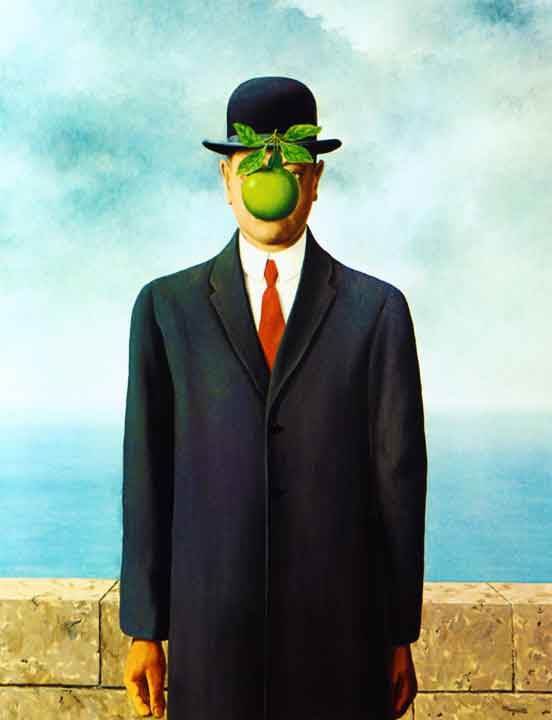
He sternly warned fellow artists who did not fully embrace Surrealism in their art and lives, and expelled them from the group. He held a very strict stance on this matter. Influenced by many past art movements, Surrealism became one of the most influential international movements of the 20th century. Even today, Surrealism continues to exert a powerful influence. Perhaps the reason for this is that surrealist art has truly resonated with people.