In 1874, a group of painters held an exhibition in Paris, the city of art. The works displayed at this exhibition were quite minimalist, featuring themes drawn from everyday life and employing remarkably striking brushstrokes. People found these paintings incomplete and absurd. The artists’ ideas were quite different, rebellious, and unconventional. Here is our article on the Impressionist artists and their approach to art.
The Depiction of Natural Moments: Impressionism
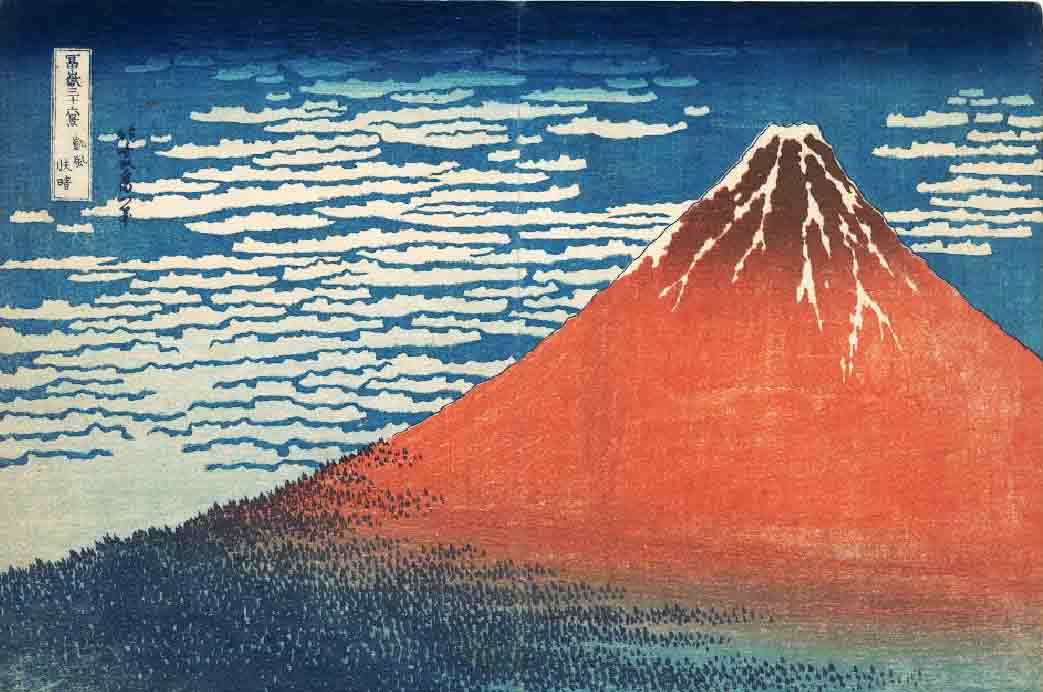
Many of the Impressionist artists were students at private art schools in Paris when they began interacting with one another. The leading figures of the Impressionist artists were Claude Monet, Camille Pissarro, Paul Cézanne, Auguste Renoir, Alfred Sisley, and Frédéric Bazille. In particular, after 1862, Café Guerbois in Paris became a gathering place for the Impressionist artists. At their gatherings, which were attended by many Impressionist painters, writers, and other artists, they engaged in pleasant conversations about the future of art. Among the Impressionist artists, the name that particularly shook the art world and caused astonishment was Manet. Additionally, the Impressionist artists were influenced by the technological advancements of their time, Realism, and artist schools such as the Barbizon School. Starting in 1854, the Japanese reopened their doors to foreign trade, engaging with the Western world and facilitating cultural exchange. During this period, a fascination with Japanese culture developed in France. The Impressionist artists, too, were occasionally inspired by the Japanese in their works.
The Academy of Fine Arts, which largely dominated French art during this period, was the authority that determined the themes and styles of paintings, edited journals, and organized competitions. For this reason, the academy’s members were not accustomed to deviating from the path they had laid out. First the Barbizon School, then the Realists, and now the Impressionist artists were challenging the academy. Although Monet and Courbet sought to exhibit their works at the Salon in 1863, the jury rejected their submissions. Many artists shared this fate. Consequently, Napoleon III declared that the public should also have a say in which artworks were exhibited. As a result, he established the Salon des Refusés (Salon of the Rejected). This granted Impressionist artists official legitimacy to exhibit their works, which broke away from conventional styles.
Impressionist Art and New Trends
Although the artistic philosophies of the Impressionist artists who gathered at Café Guerbois differed significantly from one another, they shared an important common ground. They were all critical of the Academic art style and the constraints imposed on art, and they advocated for painting outdoors. Additionally, the Salon des Refusés, established for artists like them who had been excluded, provided an opportunity for them to form their own independent community separate from the Academy. The figure who most influenced this group of artists was Manet. In 1873, the Society of Anonymous Artists, Painters, Sculptors, and Engravers was founded. The group, founded by Monet, Renoir, Sisley, and Pissarro, later included figures such as Cézanne and Degas. The group’s first exhibition, held in 1874, sparked significant controversy. Critic Louis Leroy, finding Monet’s painting “Impression, Sunrise” lacking, referred to the exhibition as “The Impressionists’ Exhibition.” Over time, the negative reaction Impressionist artists faced began to subside, and they organized many more exhibitions.
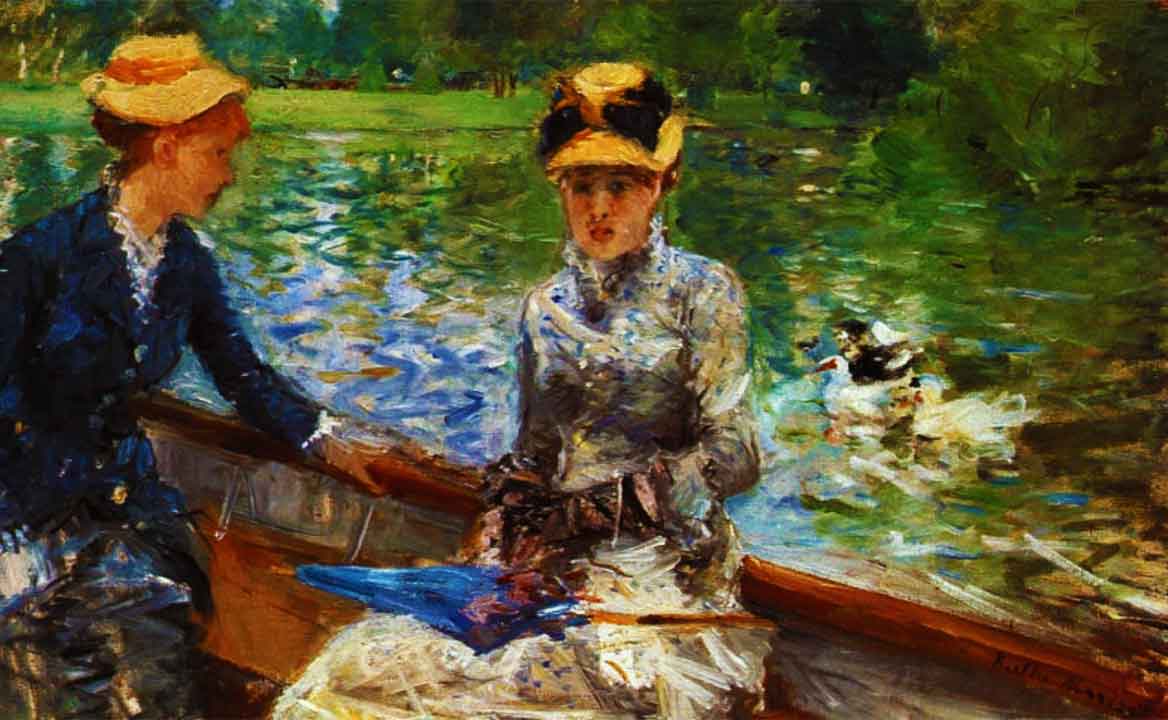
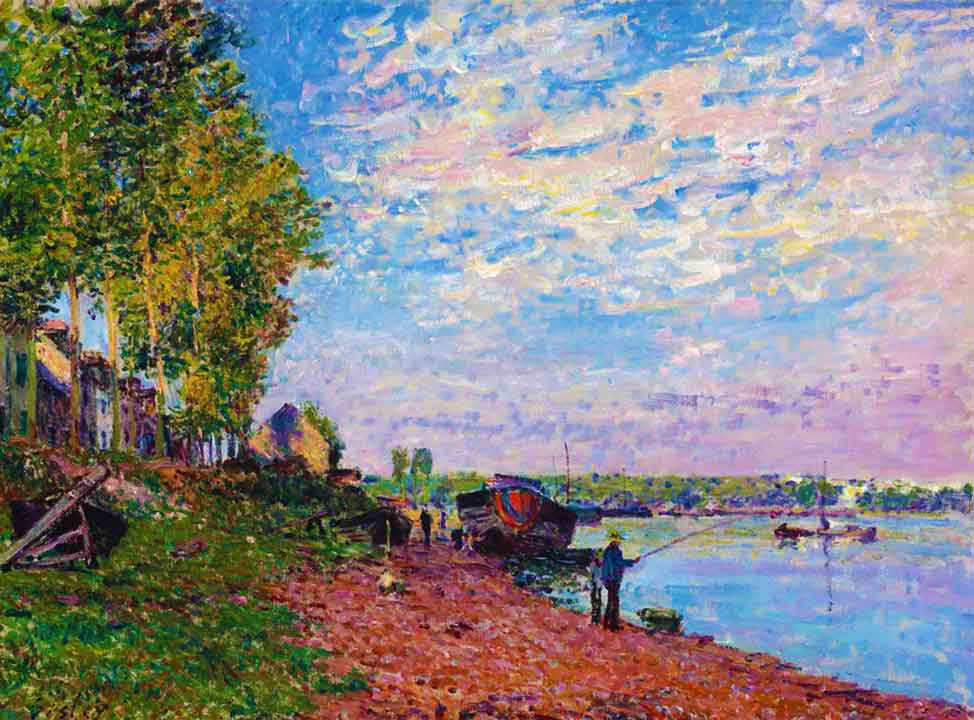
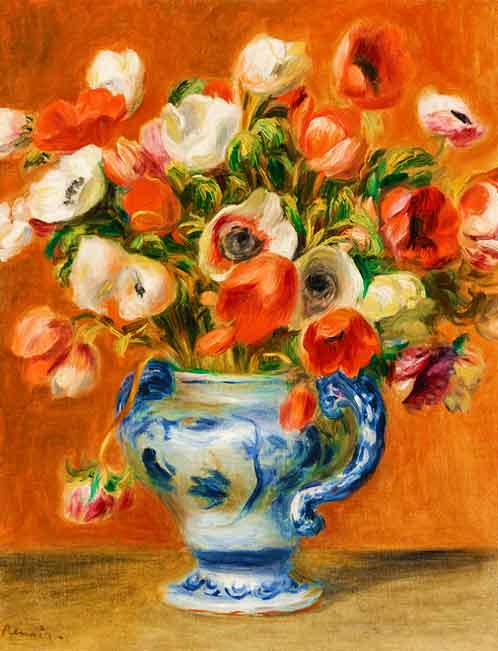
The common goal of all modernists was to modernize art. Inspired by Courbet and Delacroix, they began by rejecting conventional rules. They carefully applied distinct brushstrokes in colorful and vibrant forms. They typically completed their paintings outdoors. In addition to landscape paintings, portraits, and still lifes, they also depicted scenes from modern life. In their paintings, they achieved dark tones by blending pure colors indistinctly and sought to depict the effects of light. Instead of using gray, they employed colored shadows to create striking color effects. When depicting an object, they also depicted the light reflecting off it from its surroundings. They drew much of the inspiration for their techniques from emerging scientific theories of color.
Monet and other Impressionist artists, having left their academic training behind, believed that their works—in which they sought to depict what they saw in a more objective manner—were more sincere than the conventional style of academic art. Unlike the academy, the Impressionist artists sought to capture slices of modern life. Moving beyond symbolic narratives, they aimed to convey to viewers the feeling of a clear, single moment—an experience that had been captured. Despite their varied styles, observing nature and capturing a moment to depict it remained a core approach for the Impressionist artists. Despite facing significant backlash, Impressionist artists did not abandon their innovative ideas in art. By the end of the 19th century, many Impressionist artists had become some of Europe’s leading and most popular artists.