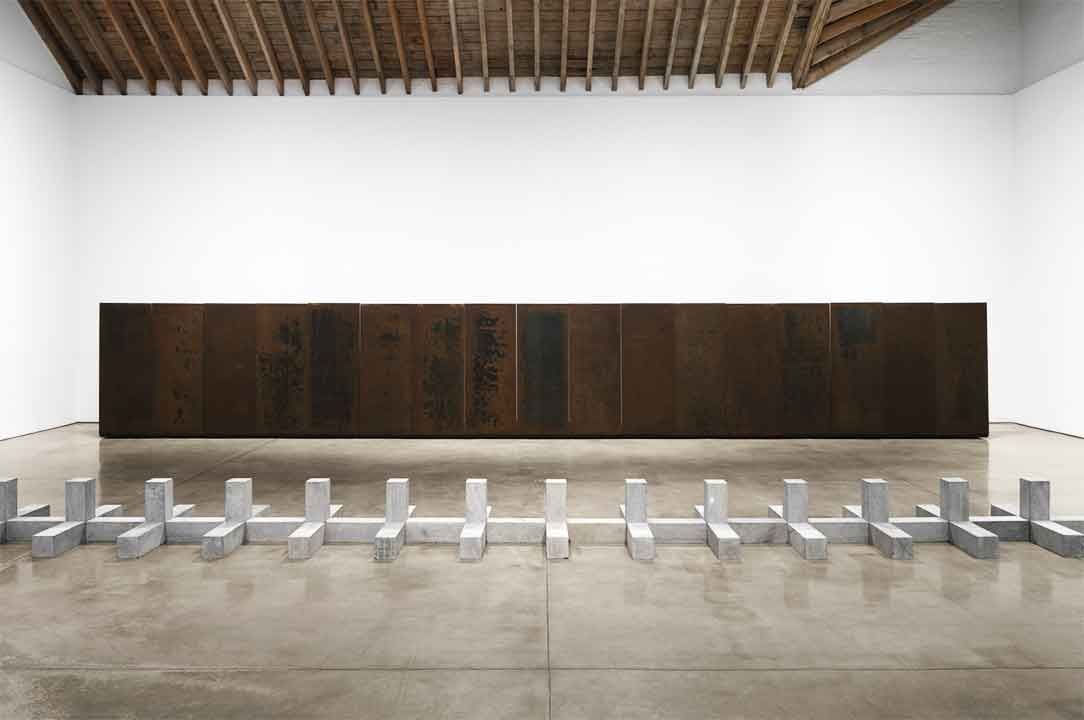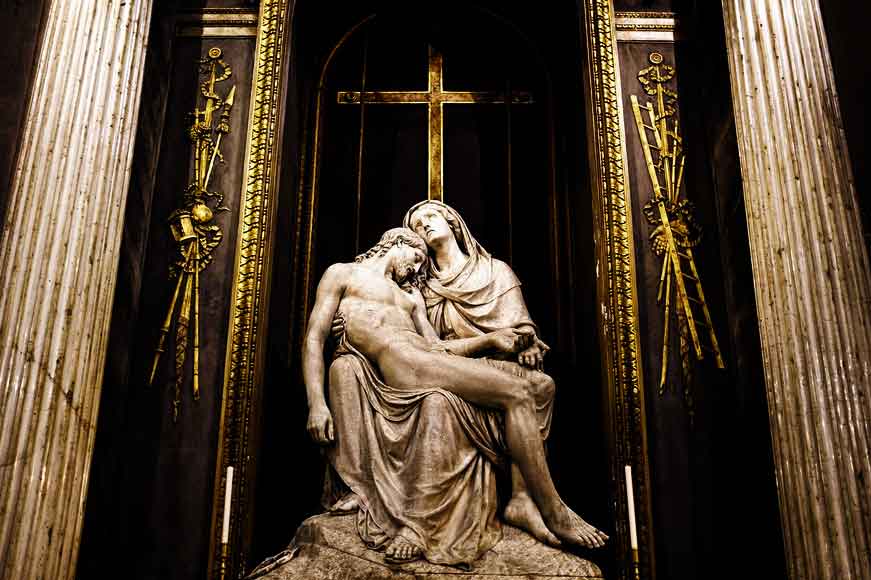
Dadaism is not strictly an art movement but rather an anti-art movement. It emerged in Switzerland in 1916, some time after the outbreak of World War I. Dadaism is a movement that protests World War I and the conditions that made the war possible. In other words, Dadaism emerged primarily as a reaction to the destructive horror of war. Our article on Dadaism and the dynamics of the Dadaism movement.
Dadaism Emerging From Neutral Switzerland
The pain and destruction that engulfed the entire world during World War I, along with the unending killings, had inflicted irreparable wounds on the collective consciousness of societies. Dadaism served as a manifesto against this era and focused on society’s artistic and cultural heritage. According to the Dadaists, society’s rigid and oppressive norms and paradigms were the cause of the war. Emerging in an era when humans could slaughter one another without mercy and such acts had become normalized, the Dadaists viewed the cultural values associated with art and human society as hypocritical and vulgar. By rejecting the artistic standards that had prevailed up to that point, they sought to dismantle the traditional values of art and its idealized references, all while emphasizing the senselessness of war. In this vein, they produced irrational works that disregarded the accumulated heritage of the past.
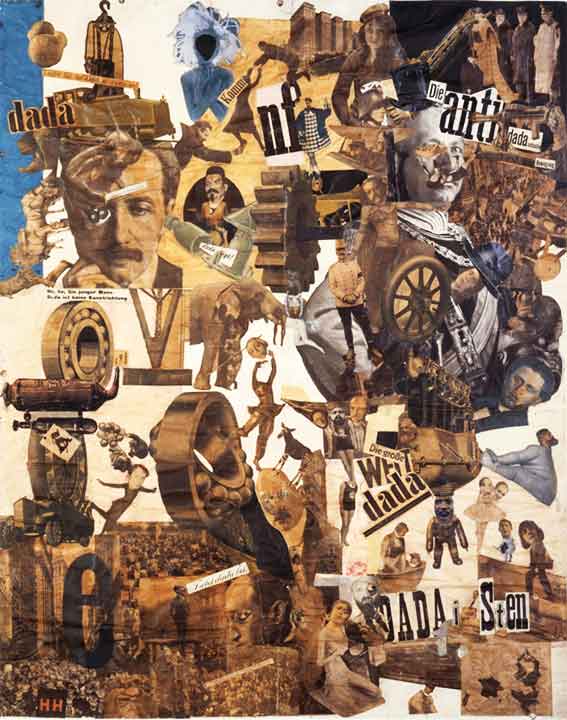
Their aim was to evoke provocative emotions and elicit strong reactions in those who viewed their works. In this sense, Dadaism is not only an anti-war movement but also an anti-capitalist one. When World War I broke out, many artists and writers sought refuge in Switzerland because it was a neutral country. The gathering of these artists and their exchange of ideas about the war gave rise to the Dadaism movement. Among the founders of the Dadaism movement were writer Hugo Ball, poet Jean (Hans) Arp, and poet Tristan Tzara.
Hugo Bali and his wife Emmy Hennings opened a nightclub called “Cabaret Voltaire” in Zurich in 1916. Many artists who condemned the war were also present at this club. Performances and various shows were held there. Later, the Dadaism magazine began publication. One year after its opening, Cabaret Voltaire was shut down. Consequently, the artists who gathered at the club dispersed to different venues. Bali stated in an interview: “For us, art is not an end in itself… Art is an opportunity to correctly perceive the times we live in and to critique them.” Over time, various artists from Paris, New York, and Berlin—including Duchamp, Francis Picabia, and Kurt Schwitters—joined the Dada movement.
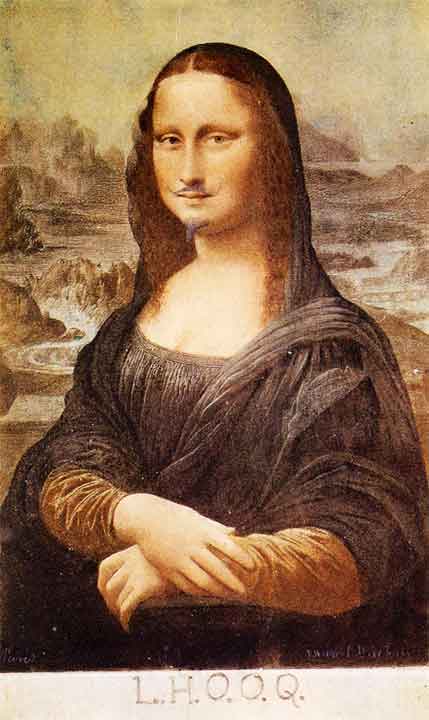
A Dadaist Protest Against Despots
The Dadaism movement takes its name from the French word “dada,” meaning “wooden horse,” which Tristan Tzara randomly selected in 1916 while flipping through a dictionary. Dadaists held public gatherings, staged performances, and published art and literary journals. In the 1960s, they presented the first examples of “happenings” by creatively combining poetry, automatic writing, and collages. The Dadaist works created carried a strong sense of absurdity, nonsense, and irreverence. Artists involved in Dadaism argued that, while millions were dying on the battlefields, traditional aesthetic and fine art standards should not be used, and that art should be practiced in a random and improvisational manner. Hans Arp: “Disgusted by the slaughter of World War I, we dedicated ourselves to art in Zurich. While guns roared in distant lands, we sang, painted, created collages, and wrote poems with all our might.”
The fundamental principle of the Dadaism movement was absurdity. The fact that Dadaism did not adhere to a specific style or set of principles was not limited to the visual arts alone; Dadaist music and literature were also part of the movement. In order to spread their ideas as widely as possible, Dadaists engaged in activities that were disrespectful toward the public and sought to dismantle values accepted by society. Additionally, they disregarded artistic and cultural heritage and supported antisocial and undisciplined behavior. In this way, Dadaism harshly criticized any tradition in art that might have caused or contributed to war.
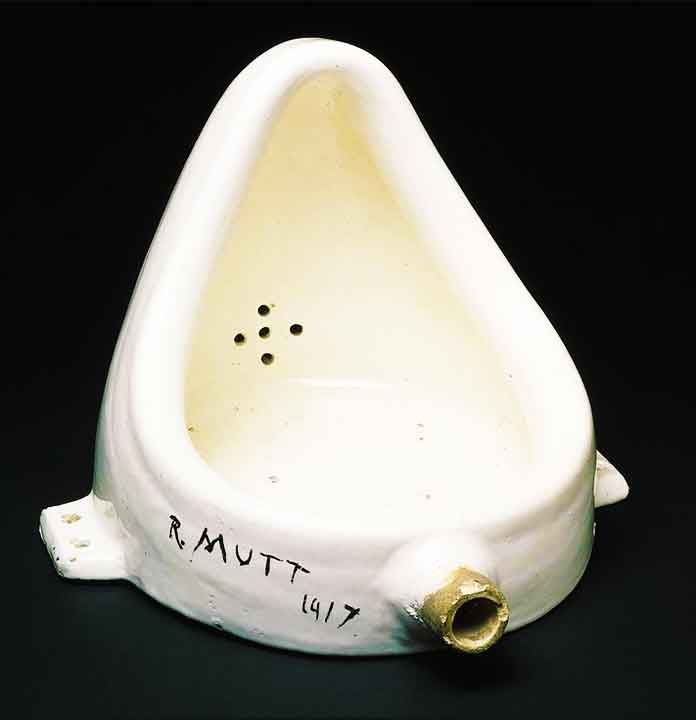
The Dynamics of Dadaism
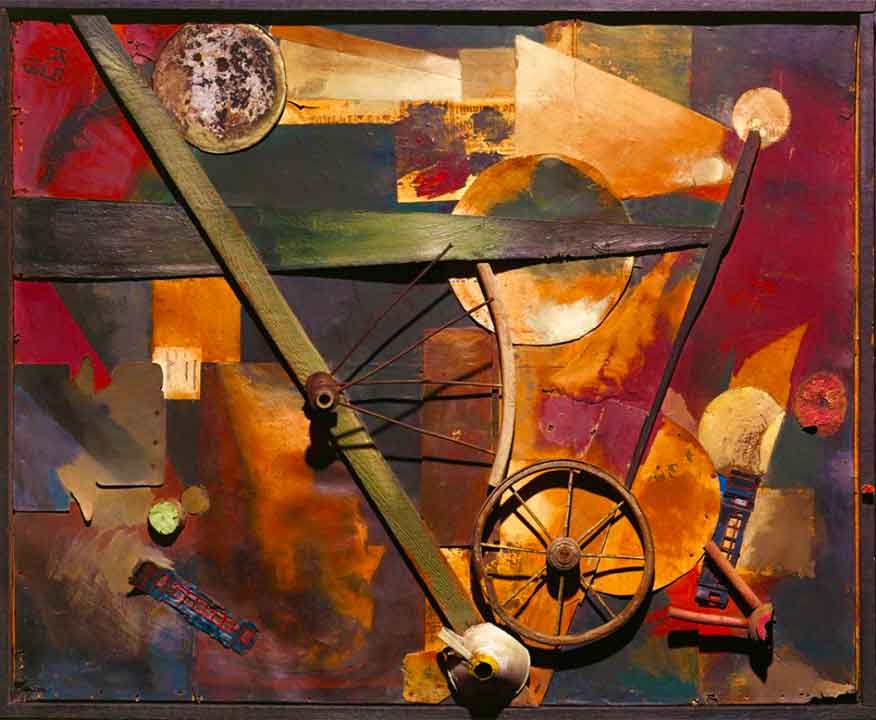
In doing so, they drew strength from movements like Cubism and Futurism, embracing dynamism and propaganda. One of the Dadaists, Duchamp, gained popularity with his works titled “ready-mades.” Arp would randomly tear up paper and glue the pieces together with tape. Man Ray created assemblages (three-dimensional collages) from everyday objects. Schwitters produced assemblages using trash he collected from the streets under the term “Merz,” derived from the German word for commerce, “kommerz.” The Dadaists initially developed good relations with the Futurists. However, these good relations were forced to come to an end due to the Futurists’ far-right and militaristic attitudes. After World War I, among the regions where the Dadaism movement spread, the places where it had the greatest political impact were Germany and Paris.
German Dadaists protested the Weimar Government and Nazism, rebelling against the despotic policies of their time and attempting to express the violence and turmoil of their era. Dadaism managed to sustain itself for a few more years after 1918. However, its influence did not last much longer. The Dadaism movement, which had been gaining strength, was forced to disband in 1922 due to disagreements between Tzara, Picabia, and André Breton, one of the leading figures of the Dadaist group. In art history, the foundation for art movements such as Surrealism was laid by the environment created by the Dadaism movement. From this perspective, it can be said that even Dadaism has made contributions to art history.