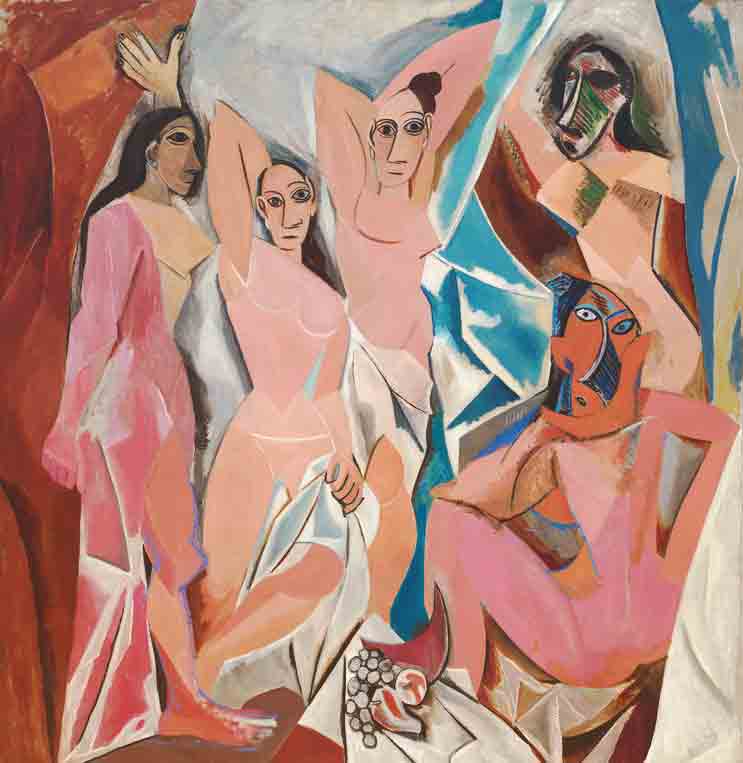
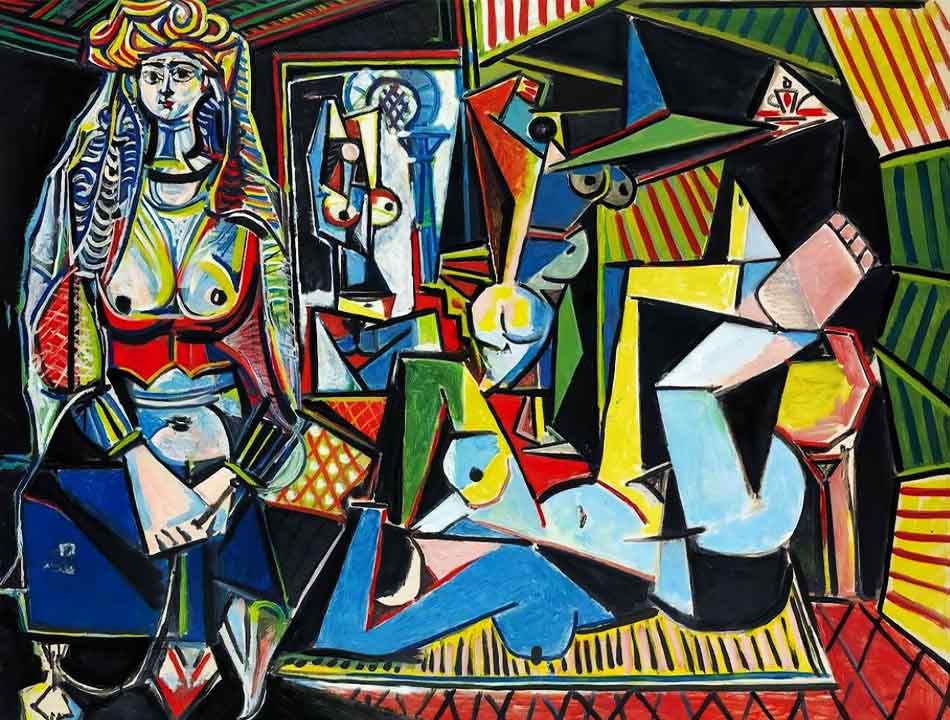
Picasso transformed the understanding of art in his time, approaching it as a form of re-creation in which nature is imitated within the artist’s own inner world. For this reason, art for Picasso does not mean a literal representation of reality, but rather its reflection through the artist’s eyes. Pablo Picasso was an artist who produced significant works not only in painting but also in fields such as poetry, sculpture, and ceramics. Furthermore, the Spanish painter Picasso was one of the pioneers of the Cubist movement.
A Pioneer of Modern Art
Pablo R. Picasso is one of the most important artists to emerge in modern art during the 20th century. He enjoyed immense fame during his lifetime and, over time, gained international renown. Undoubtedly, Picasso’s greatest influence on modern art was his ability to transform traditional concepts of art and approach it from a different perspective. Picasso’s painting style was largely based on improvisation. For this reason, he did not engage in extensive planning before starting a painting; instead, he let himself be carried by the flow of the art.
Picasso believed that a painter’s “initial vision” of the work remained the same, no matter how much the painting itself might change. According to this view, what matters most in art is the very beginning of the work, and the subsequent process consists solely of stages that follow that initial vision.
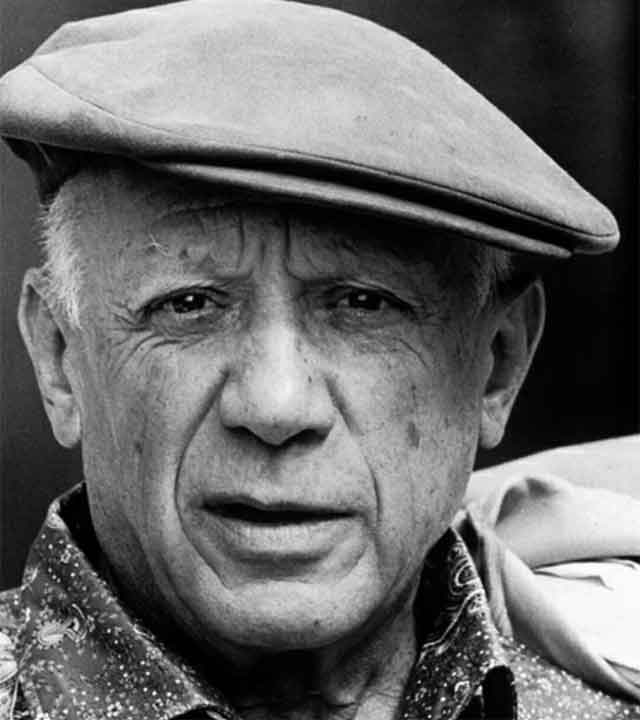
Cubism, which came to the forefront alongside Picasso, is in fact inseparable from the traditional understanding of art in terms of how a painting is created. The plastic possibilities unique to the art of painting were already being pushed to their limits in the contemporary movements of that period, alongside Cubism. The traditional artistic paradigms that persisted until the advent of Cubism and Picasso directed art toward creating a sense of depth in paintings, as if viewers were looking through a window, with the pictorial space flowing from the surface of the canvas toward a central point.
However, the Cubist movement shattered this understanding, aiming instead to create a composite state of consciousness in which viewers are drawn directly into the works they perceive. We can say that this unity is, in fact, the central characteristic of the Cubist movement: the visible aspects of nature are expressed through a holistic narrative that encompasses both the visible and the invisible. For this reason, the fundamental aim in Picasso’s works is to reestablish the unity—which had been fragmented by the perception of perspective—between what is visible and the elements invisible to the eye.
Cubism and Picasso’s Approach to Art
According to Picasso’s perspective and understanding of art, as soon as a painting is begun, it is, in fact, already finished. When Picasso painted, he would start at a single point on the canvas and then fill in the empty spaces. This may seem like a contradiction, but the reality is different. The canvas standing before the artist can actually be likened to a mother on the verge of giving birth. The creative forces within it are constantly surging and realizing themselves.
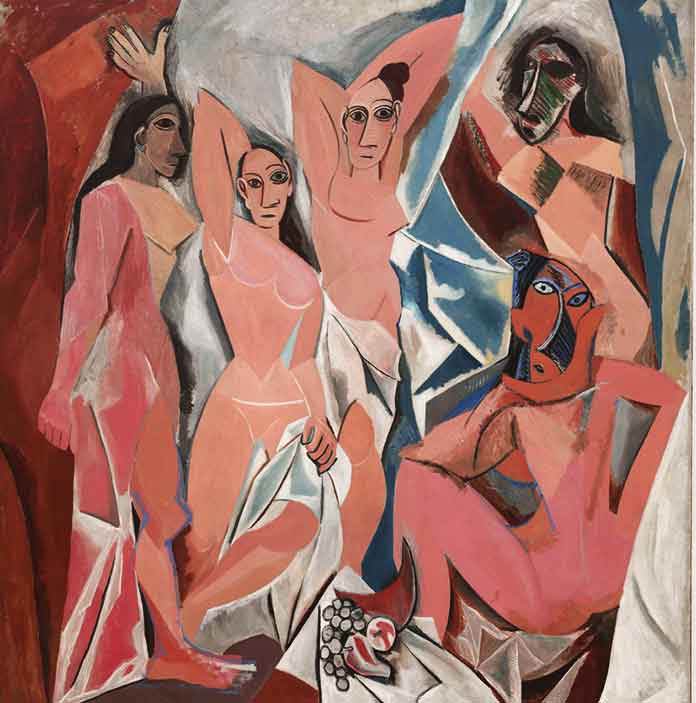
This process—which will conclude with the transformation of this potential into action—is a clash between desire (eros) and destruction (thanatos). According to Picasso, the artist’s role here precisely mirrors the mother’s emotional state and her position in the face of the conflict between these inner forces. For this reason, the work itself actually begins and ends within the artist from the very start.
Picasso often speaks of this contradictory state into which the artist falls. Lost within this conflict, the painter feels as if he has surrendered himself to the void and is being guided by it. Ultimately, as Picasso himself noted, the very first moment the painter’s brush touches the canvas—that zero point—is actually a moment when the forces that have been building up have already found their outward expression. In this regard, the tools used in the art of painting carry a symbolic nature.
This is one of the fundamental pillars of Picasso’s understanding of art. One of the greatest criteria that defines art is its connection to truth. This connection is essential because painting is not merely a flawless and powerful depiction of nature, but rather an interpretation of an independent aspect of nature. With Picasso, the art of painting—which had previously imitated observed scenes within the artist’s own perspective—has now begun to break free from that framework.
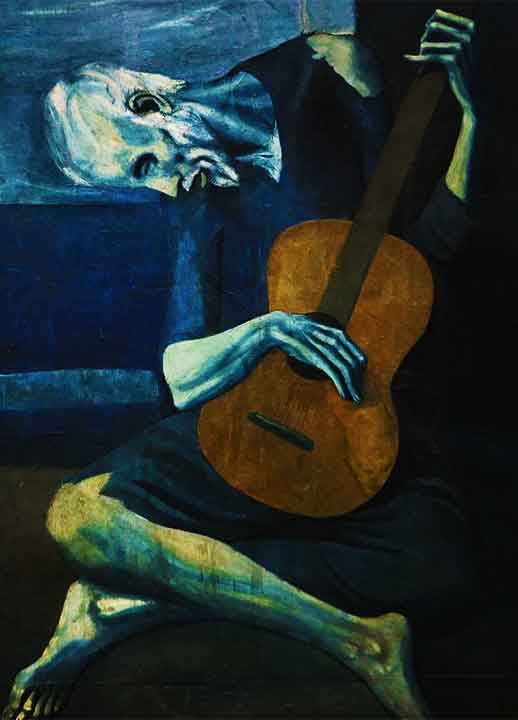
Picasso, a painter of Spanish origin who recognized this transformation in art at the time, focused on the ideas underlying it, giving rise to Cubism, a revolutionary movement. Thus, the very nature of art as a creative act began to change, and established aesthetic conventions were shattered. It was no longer sufficient for an artistic act to simply replicate any scene from nature using plastic techniques and materials. As Picasso himself expressed, the artist must now process and re-create the phenomena depicted in their works internally before directly conveying them. Thus, regardless of technical styles, a work of art will maintain a direct connection to the artist’s inner world, establishing a sense of belonging.