In her book Surrealism and Visual Arts, Kim Grant offers a clear definition of Surrealism for those unfamiliar with the subject: “Surrealists, who aim to access the liberated expressions of the unconscious, believe that individuals labeled ‘mad’ are actually people unconstrained by established perceptions of reality and conventional expectations.” In this article, we will examine Surrealist cinema and the cult film Un Chien Andalou.
The Development of Surrealist Cinema
The roots of Surrealism can be traced back to France, where it emerged in the mid-1920s. Surrealist films, whose primary aim is to challenge realism-based narratives and transform the ordinary and familiar, are easily distinguishable from other film genres due to these characteristics. Terry Gilliam, Tim Burton, Hayao Miyazaki, the Quay Brothers, and Jan Švankmajer are among the most prominent figures in Surrealist cinema who have left a visible mark on film history. What makes their films so compelling is their ability to incorporate the Surrealist mode into forms that are both acceptable and accessible to audiences. Another common thread among all these directors is that they have worked in the field of animation. Indeed, the Quay Brothers’ works seem to demonstrate just how much potential there is for producing aesthetically rich works when animation and the surrealist sensibility are properly integrated.
Their critical, combative, and surrealist perspectives have served as a source of motivation and inspiration for those in the field of animation for over thirty years. Born in Philadelphia in 1947, the twin brothers (Stephen and Timothy Quay) attended the Royal College of Art in the 1960s. Visibly influenced by Jan Svankmajer and Ladislaw Starewicz, the Quay brothers believed that animation was the most appropriate medium for exploring the strange depths of the unconscious. Unconcerned with conventional and classic narrative forms, the Quay brothers must have believed that animation’s atmosphere—which allows for free association—is far more suitable for artistic interpretations and visual sensibilities that strive to remain as far removed from realism as possible.
It could be said that their films resemble horror movies that progress with an ironic tone. Playful tricks, a sense of threat, and uncertainty seem to leave their mark on all their films from beginning to end. Indeed, in these films—where it is quite difficult to predict even what will happen a few seconds later—it is possible to encounter surprising twists at any moment. A frenetic pace and event-driven narrative—which can be exhausting—are among the most prominent features of these films. While the Brothers initially preferred the short film format, they later shifted their focus to feature-length films. Although their artistic vision underwent certain changes, they never lost their reputation in the horror genre.
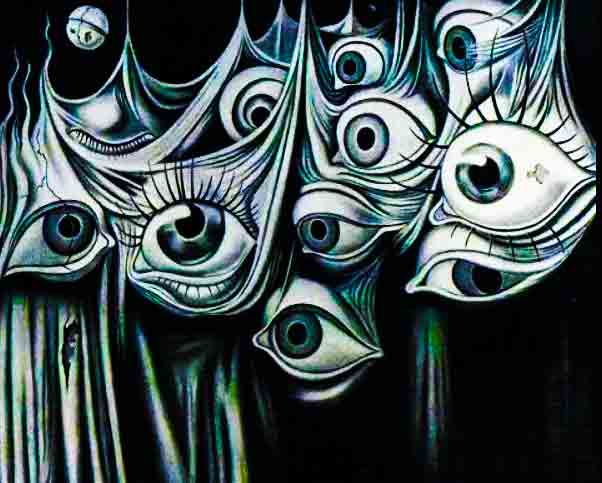
Sources of Inspiration for Surrealism
*The Seashell and the Clergyman* (1927), *The Blood of a Poet* (1927), and *L’Age d’or* (1930) are among the key films of the Surrealist movement. In the preface to the screenplay of Un Chien Andalou, which was later published as a book, these films are described with the following words: “If we set aside their textual differences, it becomes clear that these films share certain common tendencies in terms of how they approach the reality they allude to and their perspective on cinema. They tend to place the true reality—that is, the veiled or repressed dimensions of the soul or society—on the surface of what is visible at first glance.” In fact, to see the tendencies of Surrealism and the contemporary expressions of Surrealist aesthetics, one must look at the work of Terry Gilliam. His latest film, *Dr. Parnassus* (2009), in particular, serves to substantiate this claim. Surrealism has ensured that fantasy occupies an increasingly prominent place in the world of cinema.
In his book *Fantasy Cinema*, David Butler makes the following observations regarding fantasy: “Whether literary or visual, fantasy is, first and foremost, a phenomenon that prioritizes ‘pure dreamlike quality’ above all else, disregarding the creation of meaningful content or social function.” However, this characteristic of fantastic art has yet to be fully understood. Poetry and the visual arts have always been a source of inspiration for surrealist filmmakers. The films in which Salvador Dalí and Walt Disney demonstrated a captivating and meaningful collaboration—though they remained unfinished—are among the most accurate examples of this. However, the premiere of *Destino*, a short-lived project that was recently completed, took place at the Museum of Modern Art in New York.
Jan Svankmajer—whom we dare not simply label an animator—successfully integrated images from live-action and animation, genres typically considered incompatible, and can be said to have carried on this tradition. Navigating an undefined space where comedy and horror intersect, Svankmajer’s works possess a palpable intrinsic intensity. Drawing inspiration from directors such as Fellini and Méliès, as well as the Eastern European puppet tradition, Svankmajer has turned established expectations of animation on their head; although he interprets the genre in a style quite different from Disney’s, he has been just as deeply influenced by the fairy-tale form as Disney was. Having begun his artistic career in theater, Svankmajer was visibly influenced by the Czech Surrealist Group. After developing an interest in cinema, Svankmajer directed his first short film, *Posledni trik pana Schwarcewalidea a pana Edgars*, in the early 1960s.
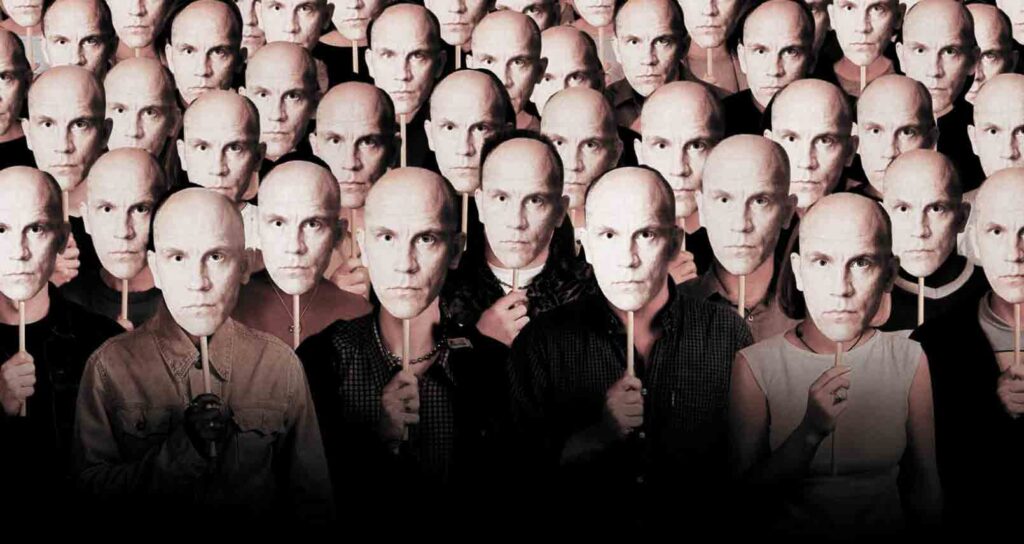
Because the communist regime deemed his films subversive and objectionable, Svankmajer was unable to make any films for a seven-year period between 1973 and 1980. His animated film *Moznosti dialogu* won the Grand Prize at the Annecy Animation Festival—a long-standing and prestigious festival in France—and garnered significant attention, leading to a resurgence in his career beginning in 1983. Although his films were only available through limited screenings and DVDs that appealed primarily to art circles, his fame and reputation continued to grow from that point onward. Svankmajer, who had also adapted Lewis Carroll’s *Jabberwocky* in 1971, achieved his most successful breakthrough with *Alice* (1998), adapted from the author’s famous work. Carroll’s childlike scripts proved challenging for the director as well.
Following the notable success of *Alice* in 1988, he continued his film career with an adaptation of the long-running stage play *Faust* (1994) and *Otesdnek* (2000). *Otesdnek* was his first work that clearly belonged to the horror genre. Known to have been influenced by directors with distinctly different approaches—such as Terry Gilliam, the Quay Brothers, and Tim Burton—Svankmajer explained this diversity with the words, “I prefer to place my own dream world within reality.” In his adaptation of *Alice*, for instance, he made extensive use of puppet-like objects and employed unconventional sound effects to distance the film from a fairy-tale backdrop.
However, when examining Tim Burton’s adaptations of Lewis Carroll’s works produced at Disney Studios, only a very limited Svankmajer influence is evident. For example, in Burton’s adaptation of *Alice in Wonderland*, although live-action and animation are seamlessly integrated in nearly every scene, the elements of fear and inner unease seen in Svankmajer’s films are scarcely observed here. We believe one must look to Burton’s film *The Nightmare Before Christmas* (1993) to find this. One of the most iconic works of surrealist cinema is the short film Un Chien Andalou. This cult film continues to influence the film industry—and, by extension, people—even today.
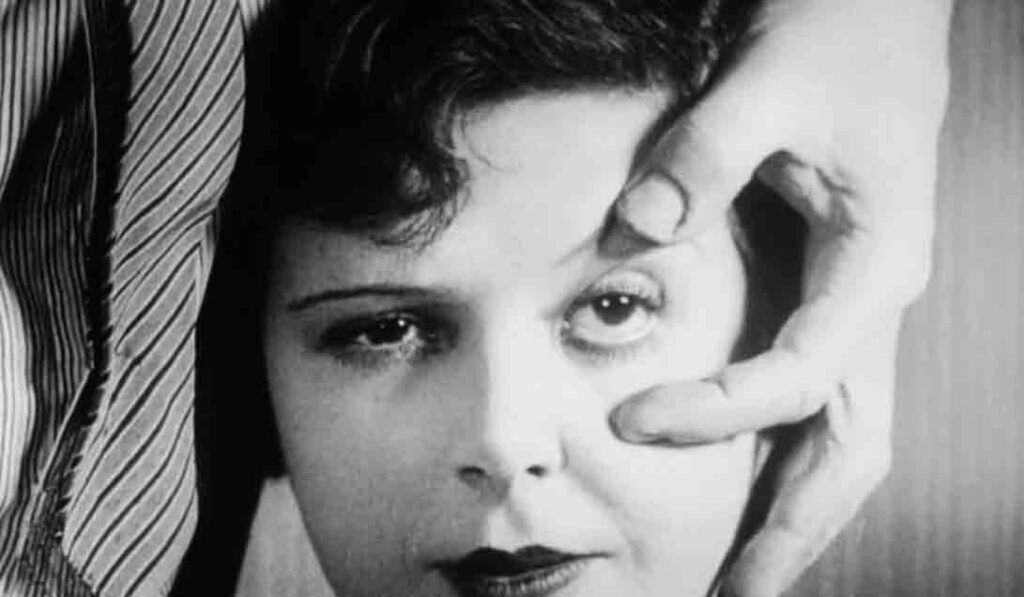
A Cinema Classic: Un Chien Andalou
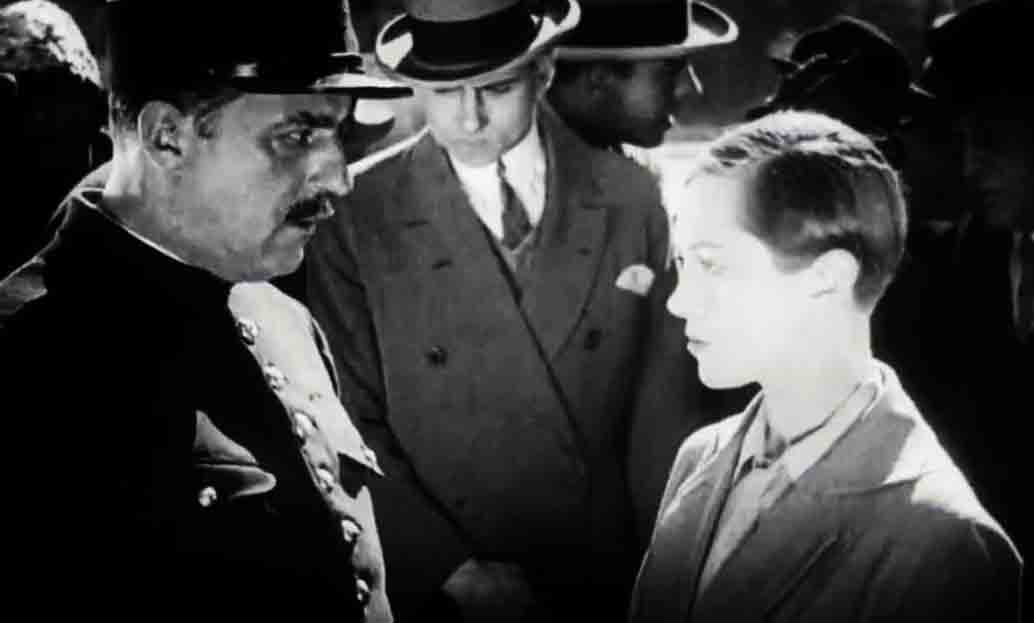
Before analyzing the film Un Chien Andalou, written and directed by Luis Buñuel, it is necessary to briefly summarize its plot. A man harbors an obsessive passion for a woman. Images of his lust for her are interwoven with images of death and decay, presented in rapid succession and intertwined. The film lacks the classic narrative logic that progresses through a linear sequence of events. What provides cohesion here are multiple associations and emotional states. Un Chien Andalou (1929), a collaboration between Luis Buñuel and Salvador Dalí, serves as a manifesto of surrealist cinema. The scene where a razor blade is drawn across the eye is one of the most striking examples in cinema of an intense connection established with the viewer’s unconscious. Following this film, cinema became a realm where surrealist aesthetic methods were experimented with and the collective imagination was set in motion.
Buñuel and Dalí spent a great deal of time together in the early months of 1929. The film’s title was chosen after Buñuel completed his first collection of poetry. In a 1947 book detailing the film’s production process, Buñuel stated that the unconscious imagery heavily featured in the film alludes to death. When the film was released in 1929, Salvador Dalí was just 24 years old. It is known that Luis Buñuel regularly received an allowance from his mother. This allowed him the opportunity to devote time to his surrealist interests. Buñuel, who was an unexpected admirer of American cinema, wrote countless critical articles in French film magazines about films that influenced the cinema and cinematic language of the era. Un Chien Andalou (1929) was conceived and shot in the spring of that year. Its editing and montage were also completed during the same period. Filming took place at a studio in Billancourt and was completed in two weeks.
Un Chien Andalou is a film that integrates three seemingly distinct genres—melodrama, comedy, and tragedy—while fully showcasing the emotional structure and sensory transitions of a man’s passion and lust for a woman. The film, which runs approximately 75 minutes, contains nearly 300 scenes. Although not overly abstract, the film has been described as an essential expression of the modernist condition. Furthermore, the film approaches its characters within a specific framework and with a specific intent. In 1930, Jean Vigo described the film as follows: “This film reflects the general picture of society very clearly.” Most of the films mentioned in this article are considered masterpieces of Surrealism. Similarly, Un Chien Andalou holds a similar position within the Surrealist movement.
Compared to a feature-length film—which has a much more sophisticated plot, full of twists and turns, and therefore requires much greater intensity—a short film leaves a much more refined emotional impression on the viewer. Short films, in which atmosphere, emotion, and theme are conveyed in a much more intense and direct manner, now reach a much wider audience thanks to the internet. The film, which premiered at the Ursulines Studios, was widely acclaimed in surrealist circles. The box office revenue from the film, which remained in theaters for eight months, gave Buñuel the opportunity to make feature-length films. In the fall of 1929, it was screened back-to-back with a comedy film by Harold Lloyd.
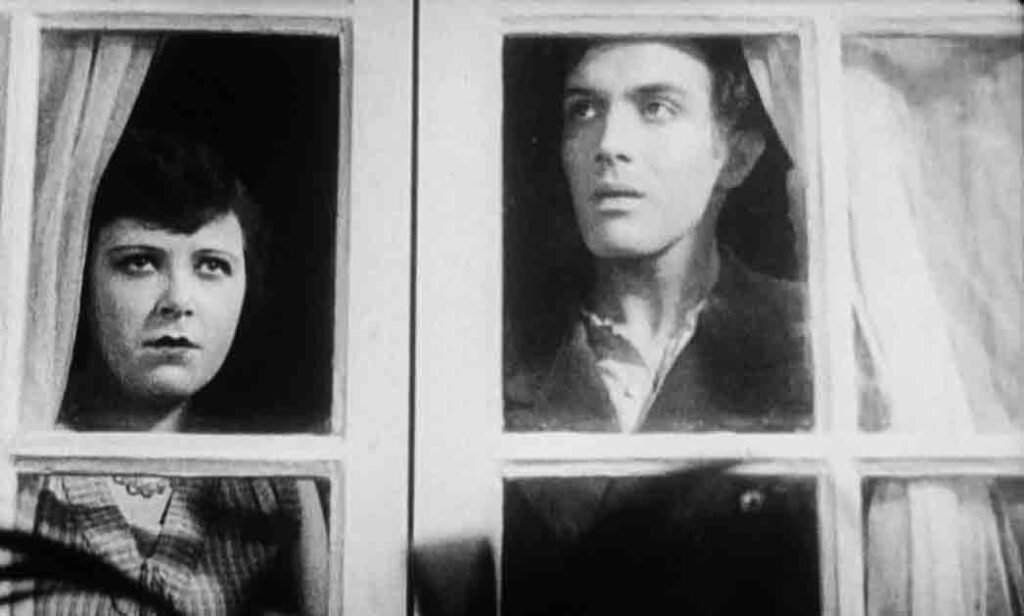
In 1960, the film was revived under Buñuel’s direction with newly composed music integrated into the film: At its premiere, the film was screened accompanied by live music performed by an orchestra. Just like the film itself, the music also exhibits an ironic abstraction. In the United Kingdom, the film was deemed too extreme for the “average” viewer and was thus classified as an X-rated film—essentially cinema’s blacklist. Phil Drummond, who has written various reviews of the film, noted in one of his articles that “it would not be accurate to categorize the film strictly as surrealist; for it to be evaluated as such, the director would at least have to identify with that movement,” suggesting that the film’s surrealist qualities have been overemphasized.