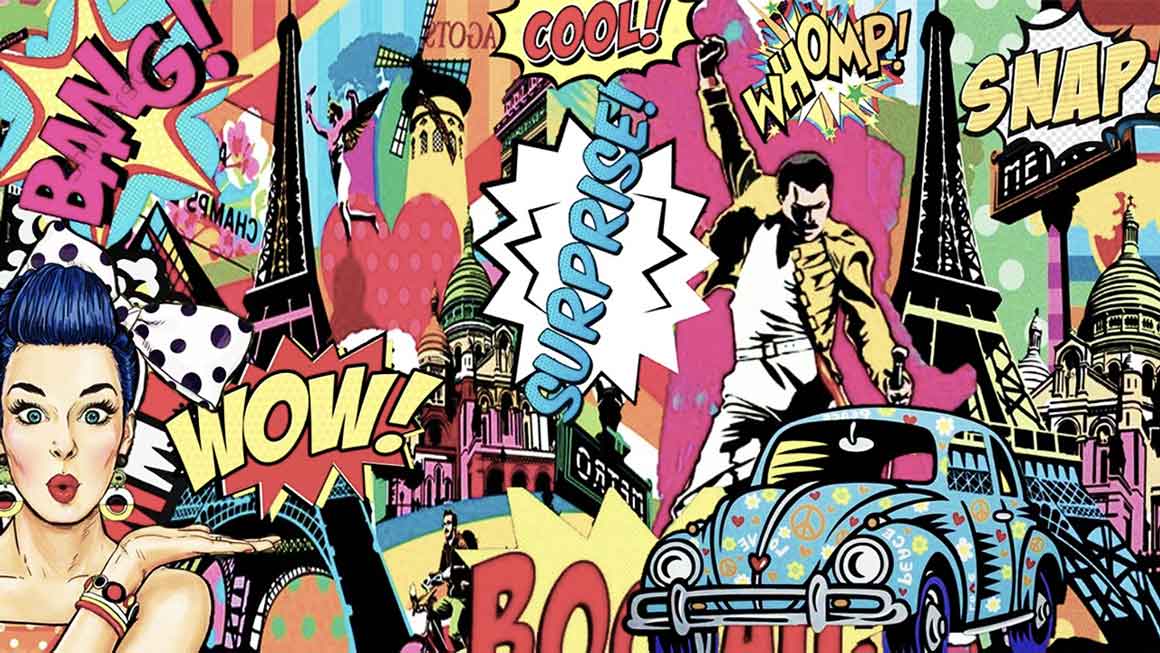
World War II brought about many socioeconomic changes around the world. Due to the growing need for resources, measures were taken to conserve them. As a result, mass production and mass media rapidly gained importance. Some American artists sought to make these kinds of changes in the modern era the subject of their art. Thus, pop art—drawn from popular culture and the consumer society—emerged.
Pop Art That Shocks People
In 1960s Britain, a culture of excessive consumption became dominant. The same can be said of American society during this period. All of this led to the rapid growth and development of mass production. Pop art, which emerged during this period, left its mark on Western art and introduced a new approach to the visual arts, even though it did not put forward any specific claims. The Pop Art movement began in the 1950s and reached its peak about a decade later.
It became one of the key examples of the postmodernist approach. What Pop Art artists sought to do was to dispel, at least to some extent, the gloom that had settled over a world reeling from the great crises following the war, and to foster a more positive outlook toward the future through playful themes. In doing so, they supported and sought to utilize consumer culture.
Pop art artists specifically employed images that were heavily celebrated by consumer culture, such as cartoons, comic books, magazines, newspapers, celebrities, advertisements, product packaging, pop music, television programs, and Hollywood films. Pop art emerged in 1956 with the exhibition titled “This is Tomorrow,” which opened at the Whitechapel Gallery in London. The main theme of this exhibition was everyday life.
The artists and designers participating in the exhibition made extensive use of images that had become part of popular culture. The exhibition catalog was compiled by Richard Hamilton. Hamilton created a collage for the catalog using images taken from popular American magazines. An image featuring a large red lollipop with the word “POP” on it became an instant cultural phenomenon as soon as it appeared.
The “This is Tomorrow” exhibition marks a significant milestone for the artistic approaches that emerged after the post-art movement. The spread of Pop in the UK coincided with this exhibition. The term “Pop Art,” however, was first used approximately two years after the exhibition by Lawrence Alloway. In the 1958 issue of Architectural Digest, Lawrence deemed this term appropriate to describe works created by certain artists using images in demand within consumer society and popular culture.
With the spread of Pop Art, various artists began creating works using materials rooted in modern society. Another exhibition titled “Young Contemporaries” was also held in London. In this 1961 exhibition, many artists—including Peter Blake, David Hockney, Ailen Jones, Patrick Caulfield, and Derek Boshler—had the opportunity to connect with the public.
The Rise of The Pop Movement and Pop Artists
The cheerful and optimistic atmosphere in the works produced by Pop artists aligned with the new youth phenomena emerging during the same period. American Pop artists were also using and promoting modern printing techniques at this time. By opposing abstract expressionism and incorporating more materialistic imagery into their works, they sought to reach a broader audience.
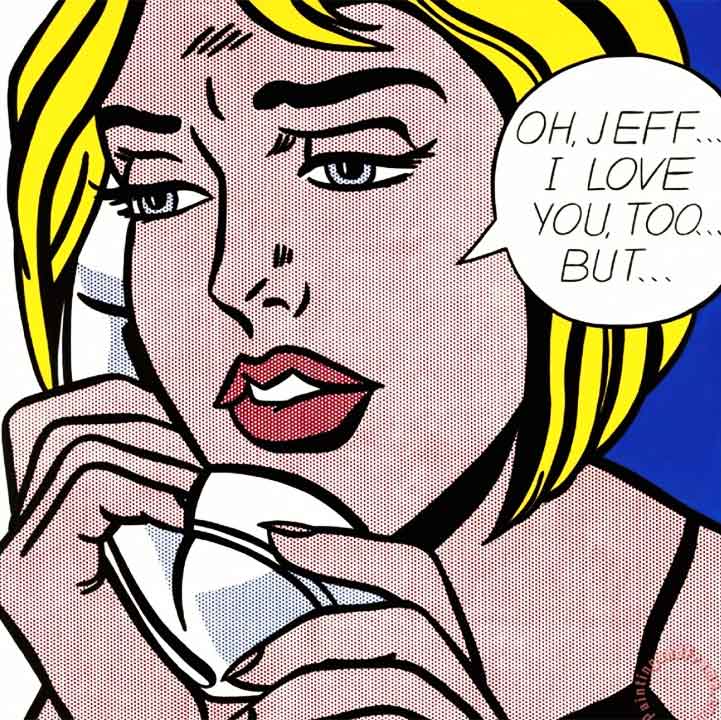
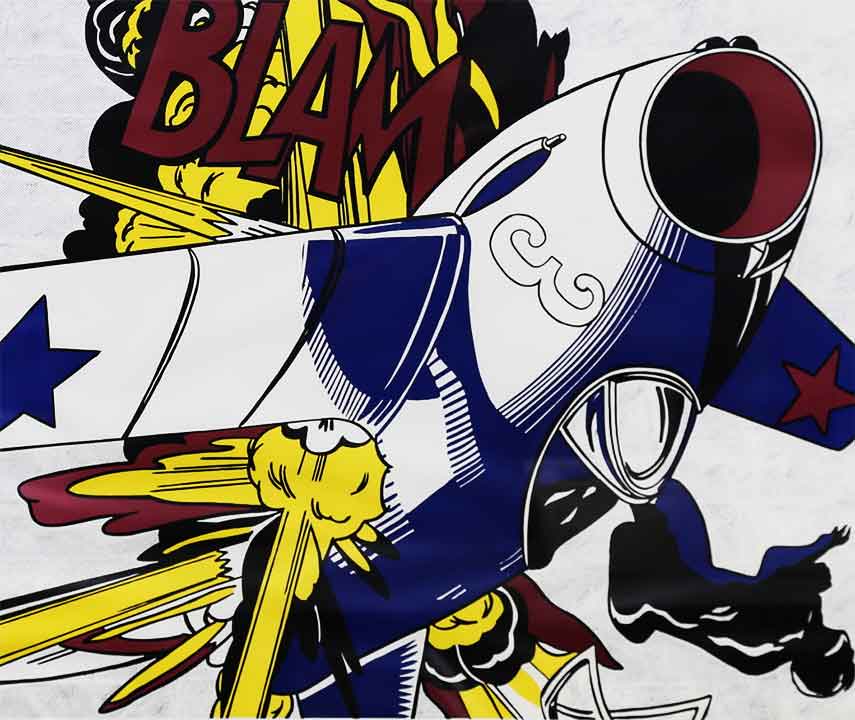
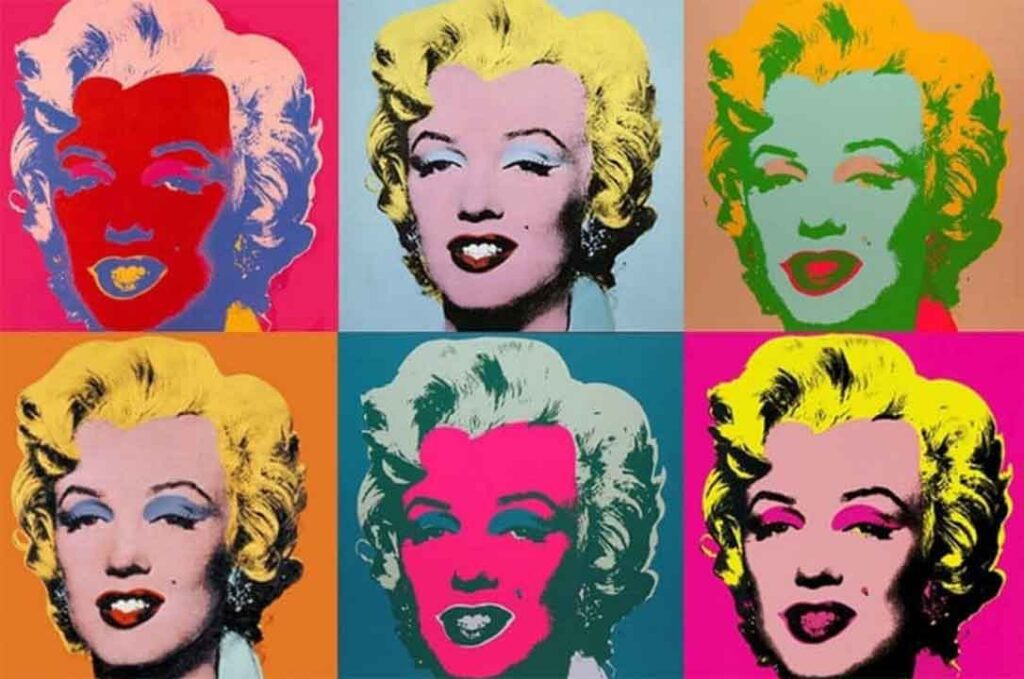
In 1962, an international Pop Art exhibition titled “The New Realists” was held in New York. At this exhibition, held at the Sidney Janis Gallery, Claes Oldenburg produced realistic models of everyday objects on a massive scale. Roy Lichtenstein drew large-scale comic book panels. Andy Warhol created eye-catching silkscreen prints using popular images. Jasper Johns and Robert Rauschenberg created paintings and sculptures featuring modern symbols that captured the interest of consumer society.
Starting in 1952, the term “Independent Group (IG)” was used to describe the architects and artists who met regularly, particularly at the Institute of Contemporary Arts in London. Through their modernist interpretations rooted in popular culture, the artists of the Independent Group helped shape the fundamental ideas of Pop Art and its artists.
Prominent figures of the Independent Group include artists, critics, and architects such as Richard Hamilton, William Turnbull, Alison Smithson, Peter Smithson, Lawrence Alloway, and John McHale. Lichtenstein was deeply influenced by the visual narratives of comic books, a key element of the era’s popular culture. He made extensive use of techniques frequently employed in comic books, such as dramatic compositions and perspective. In 1961, he also created his own comic books.
Many Pop Art artists created an objective style to encourage a reevaluation of general tastes and popular attitudes that had been kept separate from art. For example, James Rosenquist and Warhol pioneered new methods by attempting to synthesize visual arts with the advertising industry. Throughout this period, Pop Art never adhered to specific principles or a single style. It also incorporated practices like printmaking, painting, and lithography—media often considered foreign to the fine arts.
As a result of the artists’ shared desires and aspirations, Pop Art was never a monolithic movement. Pop artists addressed diverse agendas and approaches in their works. By the 1960s, Pop Art began to gradually lose its influence and give way to other new art movements. Pop Art helped break away from the academic norms that had traditionally guided art and facilitated its reach into modern, materialistic, and consumerist society.