Following the Classical period, Greek and Roman art underwent significant changes in its fundamental principles under the influence of Christianity. Devout artists, believing their talents were bestowed upon them by God, held the view that art should be used solely to disseminate God’s message. Thus, Byzantine art emerged.
The Rise of Byzantine Art
We can see that Christian art existed long before the Roman Empire established Christianity as an official religion. Prior to this period, there are numerous religious depictions drawn on cave walls and ceilings that draw their subjects from religion, God, and the Holy Scriptures. However, we observe that many of the principles of the artistic concepts from earlier periods were rejected in these depictions.
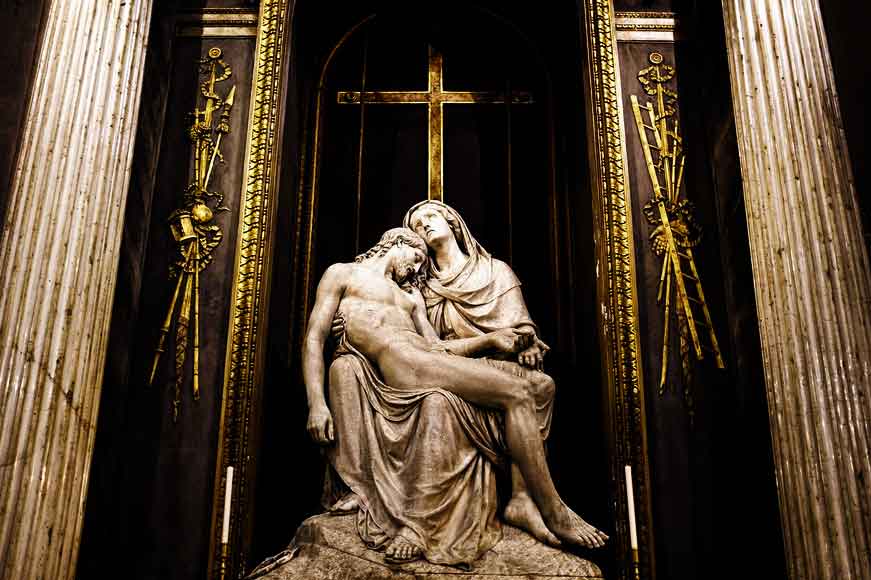
Instead, we can say that while sacred and religious figures from Greek and Roman art were used as references, the elements depicted were religious figures specific to Christianity. For example, in some paintings, Jesus is depicted in forms resembling the god Apollo. There was no place for nude figures in Christian art, and the purpose of creating art was to depict God and religious figures in all their splendor.
In 323 AD, Emperor Constantine moved the capital of the Roman Empire to Byzantium and renamed the city Constantinople. During this period, Christianity became the official religion of the Roman Empire. During the same period, the new Christian artistic movement spread widely to regions such as Russia, Southern Italy, and Greece. Works produced in line with this movement did not address secular topics; instead, they focused on religious and sacred themes.
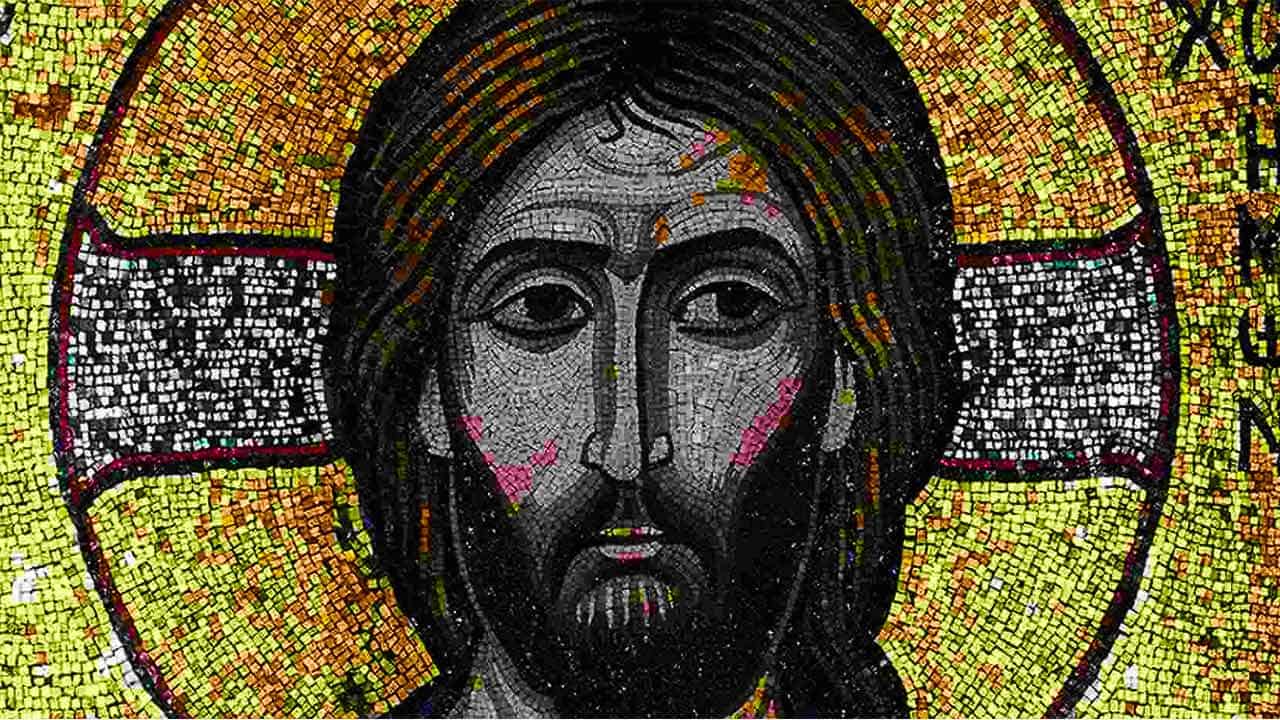
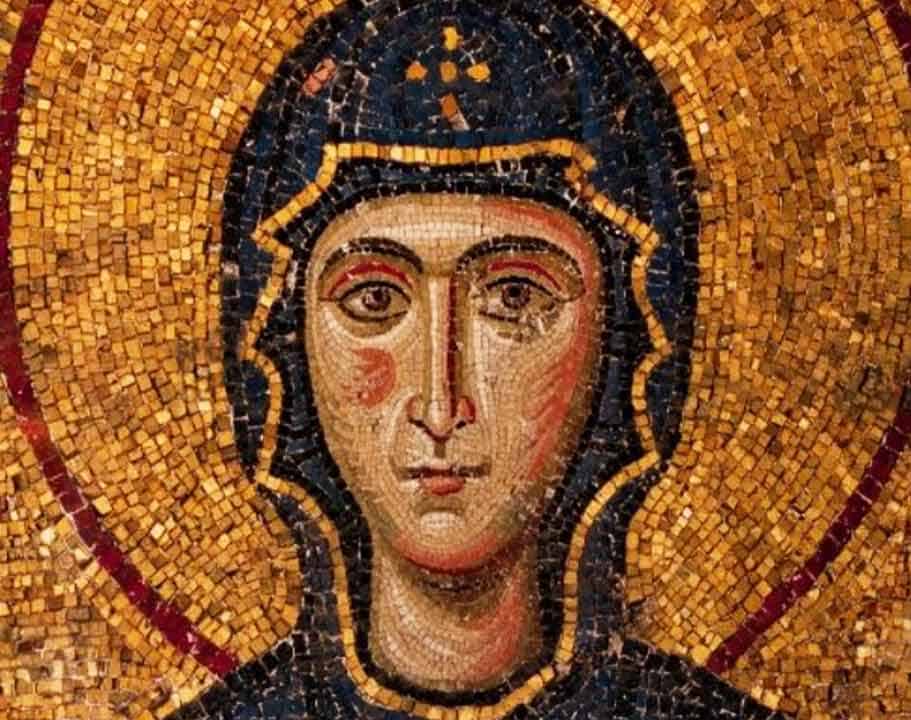
Since literacy rates were very low among most Christian communities at the time, the works created were not complex or detailed in content, but rather simple and straightforward, reflecting the spirit of the Bible and the faith. This provided devout people with focal points during their worship. The splendor of the glittering, large mosaics served as a beneficial element in the popularization and spread of the Christian faith.
When we look at Byzantium, we see that many of the artists were monks affiliated with religious institutions. We mentioned earlier that the realistic style found in Classical art was not present in the art of this period. This is because realistic depictions could be idolized, which was dangerous from a religious perspective.
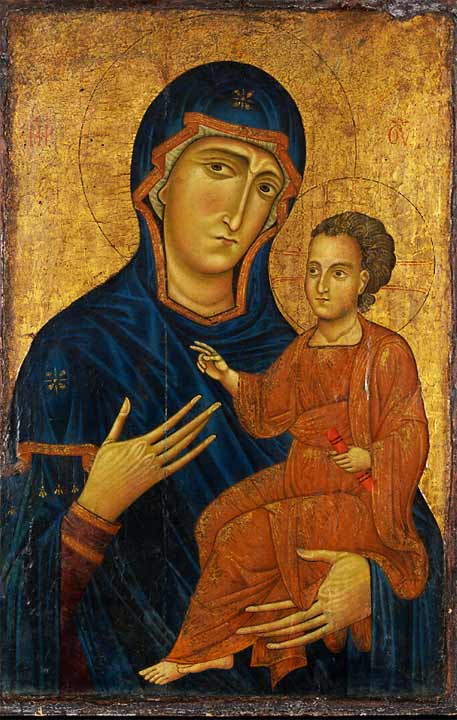
For this reason, paintings and mosaics that were as simple, shadowless, and two-dimensional as possible were preferred. The desire to depict the cosmos as realistically as possible, as seen in earlier artistic traditions, was absent among Byzantine artists. Byzantine artists did not want viewers to marvel at the artists’ skills, so they adopted a more symbolic approach. Striking and majestic backgrounds were used to convey the miraculous splendor of the central elements of the faith (Mary, Jesus, and God).
There were also symbols that were considered important and frequently used in the Christian faith. These symbols were also widely reflected in works of art. Some of these symbols include the key, which reflects the power of the church, or the cross, which symbolizes the crucifixion of Jesus.
Christian Figures Used by Byzantine Artists
Another element of Byzantine art is icons. Icons depicted religious figures in various sizes and were placed in churches and homes. The sacred atmosphere they radiated helped devout people to meditate. The first golden age of Byzantine art occurred during the reign of Justinian I (5th–6th centuries) as a result of the adaptation of state laws to the Christian faith. The conditions of this period had a significant impact on Byzantine art.
By the year 730, Emperor Leo III had banned the depiction of human figures. Consequently, many religious figures could no longer be depicted. This period, which lasted approximately 100 years and saw a slowdown in artistic development, is known as the Iconoclastic period. Illuminated manuscripts are also used in Christian art. However, these were primarily intended for the upper classes, clergy, or nobility.
In this article, we have briefly examined the historical development of Byzantine art and its interaction with religious elements. We see that art has been deeply influenced by religious values. There have been many periods like this. Ultimately, religion has been a revered field ever since humanity first existed. For this reason, the influence of religious elements on art is undeniable. Religion has the power to fundamentally transform human life.
People reorganize their perspectives on life, death, and other people according to religious values. Therefore, it is quite natural for people to view the world through a religious lens when depicting it. By examining the images of religious depictions used in the content, you can see the religious elements that were in use during that period. You can also read our articles examining artistic periods and movements influenced by other religious traditions.