GUERNICAart

GUERNICAart

Realism and The Realistic Style in The Modern Age

In the 19th century, there was a significant increase in the number of realist artists who began to focus on social realities rather than emotions and imagination. These realist artists also adopted an attitude that rejected traditional ideas and approaches in art. By rejecting art movements such as Neoclassicism and Romanticism, they focused on depicting everyday and ordinary life as realistically and objectively as possible. In this article, we will examine the place of the Realism movement in art.

A Romantic Expression: Romanticism

romantic paintings

Romanticism, which emerged in the 19th century as a reaction against Neoclassicism and placed an intense focus on emotions, is an artistic movement that was interpreted in a wide variety of ways by sculptors, poets, painters, and writers of the time. Developing as a dynamic and ever-changing artistic movement, Romanticism lasted for approximately 100 years. In this article, we will discuss the Romantic movement in general and highlight its distinctive aspects.

The Church’s Call: Baroque Art

While Europe was going through a turbulent period, the course of art shifted once again in the 15th century. Baroque art began to emerge. Particularly in painting, emotional and dramatic works were produced using color schemes and tonal effects characteristic of Baroque art. In this article, we will examine the Baroque period, which emerged almost as a reaction to the Renaissance and Mannerism.

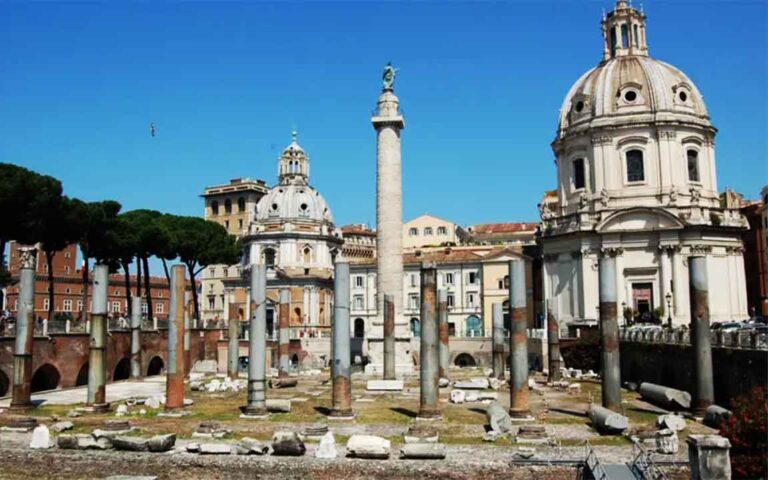
Rebirth: The Renaissance

The Renaissance period, which began in the 14th century, was a time when the philosophies, arts, and values of Ancient Greece and Rome were rediscovered, and civilization began to rise again through a sort of revival. This period lasted until approximately the 16th century and later came to be known as the “Renaissance.” The Renaissance first began in the cities of Florence and Siena and gradually spread. In this article, we will explore this period, which is of great importance in the history of civilization.

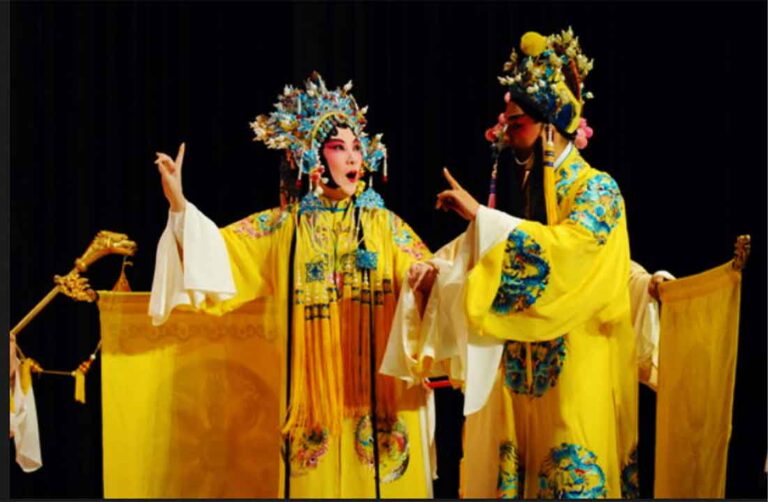
Byzantine and Religious Art

In the post-classical period, Greek and Roman art underwent significant changes in its fundamental principles under the influence of Christianity. One of the most striking differences was the abandonment of the principle of realism. Since devout artists believed their talents were bestowed upon them by the heavens, they felt that art should be used solely to spread God’s message. In this article, we will examine Byzantine art and its development under the influence of religion.

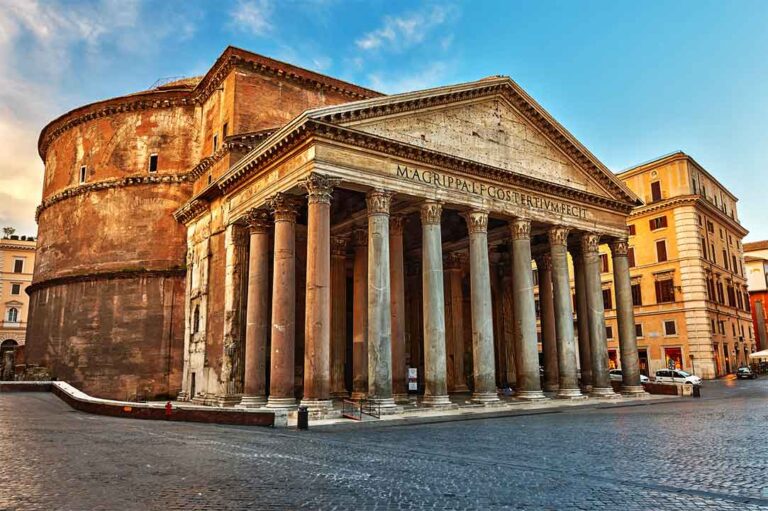
Ancient Greek Art and Buddhist Art

The primary factors shaping ancient Greek art were the Greeks’ commitment to beauty and the concept of beauty, coupled with their careful observation of the world as they turned their gaze toward nature and reason. When all these and similar factors came together, the splendor of Greek art emerged. During this period, Buddhist teachings were also spreading rapidly in the East. Buddhist art played a significant role in this process of dissemination. In this article, we will take a look at the history of Ancient Greek and Buddhist art.

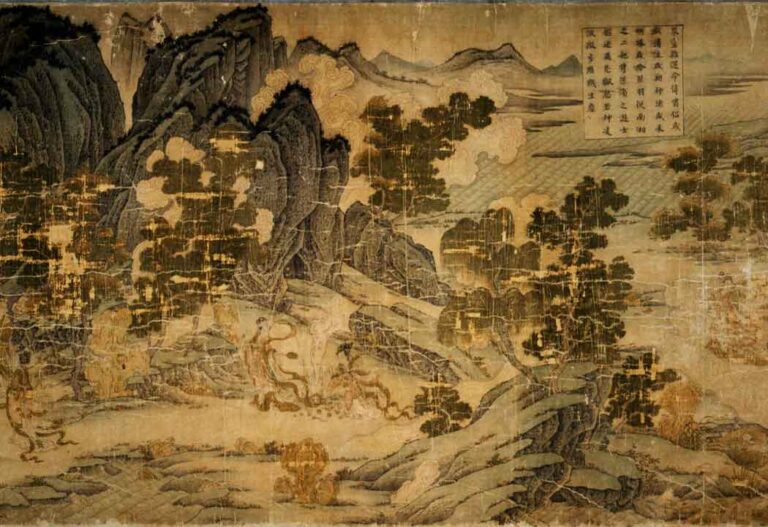
Egyptian Art and Antiquity Art

When we try to form an idea of what art is, the fact that it has been and continues to be used as a tool for many purposes complicates this process. Throughout history, art has proven to be a highly effective tool for reflecting elements such as beauty, ideologies, stories, and religious depictions. In this article, we will examine the early periods of this fascinating history of art.

A Political Outcry: Guernica

The painting *Guernica*, created by Pablo Picasso under the influence of Cubism, is a work of undeniable symbolic and artistic value. Even today, *Guernica* remains a work capable of revealing the political power of art to all of humanity. In this article, we will take a closer look at the story behind this great work and the symbolic elements it contains.