An eye-opening article on the most fundamental written sources of Christianity, the basic tenets of the faith, the Gospels and the differences between them, the letters of Paul and the other apostles, Christian denominations, Arianism and the Eastern Roman Empire.
The earliest written sources in the history of Christianity are generally considered to be the works attributed to Paul. The term “Gospel,” derived from the Greek “evangelion,” means “good news” in our language. (47) In addition, the canonical Gospels—that is, those officially recognized—are said to have been written during the periods indicated in parentheses: the Gospel of Mark (60–70), the Gospel of Matthew (70–80), the Gospel of Luke (80–90), and the Gospel of John (90–110). It is believed that the term “New Testament” was first used by Tertullian of Carthage (d. 220). Following Marcion’s—who lived in the 150s—first attempt to compile the New Testament by adding some of Paul’s letters to the Gospel of Luke, the dominant clergy accelerated their efforts to compile the scriptures. Many Gospels and epistles from the period before canonization contained variations depending on the standards of each religious leader or authority.
Examples of the most famous, non-canonical (apocryphal) Gospels of the era include the “Ebionite, Hebrew, Jude, Barnabas, James, Hebrew Thomas, Peter, and Philip” Gospels. (48) The 27 texts that make up the New Testament as we know it today were first listed in 367 by Athanasius, the Bishop of Alexandria—whose name you may recall from the Council of Nicaea—in an instructional letter he wrote for the churches under his jurisdiction, specifying that they be read in Greek. Subsequently, in 390, Jerome—who translated the Old and New Testaments into Latin on behalf of the Western Church—also deemed this same order generally appropriate. With the decisions issued at the Councils of Hippo in 393 and Carthage in 397, these 27 texts were accepted as canonical.
We should note that while the accepted texts contain many differences and contradictions among themselves, these will not be addressed in the context of our discussion. When we examine the Gospel texts, we see that they were written by their authors in a style that observes events from an external perspective. At the present time, Christians believe that “the Gospels were written word for word with the guidance of the Holy Spirit, and that there were no alterations or additions made by human intervention from the outside —or, in other words, “the words spoken by Jesus Christ, through the Holy Spirit placed in the mouths of the Apostles, were written down by the scribes under the guidance of the Holy Spirit.” Following this brief explanation, we can now briefly summarize the contents of the four Gospels and the twenty-three epistles.
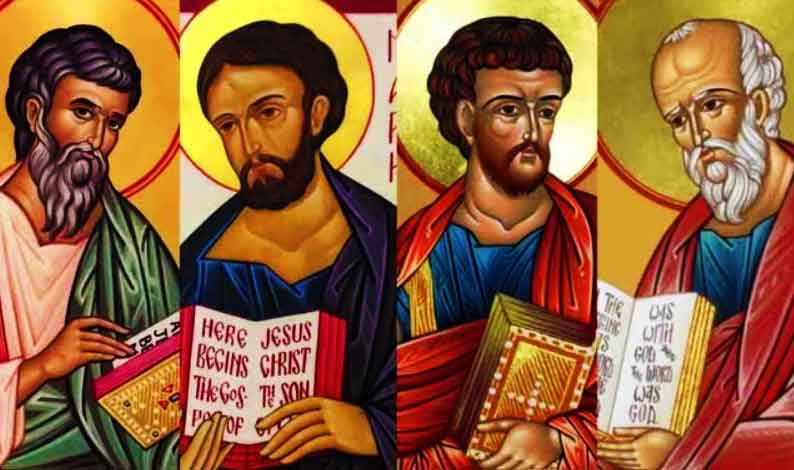
THE FOUR GOSPELS
THE GOSPEL OF MATTHEW: This Gospel, consisting of 28 chapters, is believed to have been written between A.D. 70 and 80 by Matthew, a tax collector and one of Jesus’s Apostles. The original text, written in Aramaic or Hebrew, was adapted into Greek rather than simply translated. It begins by providing genealogical information. It recounts the story of the wise men who followed the mysterious star that appeared at the time of Jesus’ birth. It covers events in the life of the Prophet Jesus from his birth to his death, including many pithy sayings and remarkable parables that could have been spoken by the Prophets of the Holy Book. It interprets the content of the wonderful parables he told the people for those who wish to study the revelation in depth. The “Father, Son, and Holy Spirit” trinity—which is not used together elsewhere in the Quran—is placed at the end, concluding the text.
THE GOSPEL OF MARK: Consisting of 16 chapters, this is the shortest Gospel. It is considered the oldest Gospel, written by Mark, a disciple of the Apostle Peter, between A.D. 60 and 70. It begins with the words of the Prophet Isaiah and the activities of John the Baptist. It continues with the Prophet Jesus beginning his mission of preaching. It also recounts some of the events in the Prophet Jesus’s life, his journeys, travels, and his compelling parables. The narrative enters its final section with the crucifixion. Perhaps because the section containing the final chapter (chapters 9–20) is not found in the ancient Greek texts, and despite the fact that it includes the events of “resurrection and ascension”—which are cornerstones of the Christian faith—it is not considered authentic by some circles.
THE GOSPEL OF LUKE: Comprising 24 chapters, it is generally accepted to have been written between A.D. 80 and 90 by Luke, a physician from Antioch and a close disciple of Paul of Tarsus. It begins with the account of John the Baptist being filled with the Holy Spirit while still in his mother’s womb. The narrative, which generally follows the same perspective as the Gospels of Matthew and Mark, contains 16 parables. It also contains excerpts from the life of the Prophet Jesus and his sayings. Generally characterized by a more tolerant tone toward non-Jewish Gentiles, the Gospel of Luke concludes with the accounts of the Resurrection and the Ascension. Because of these similarities, the Gospels of Mark, Matthew, and Luke are referred to as the “Synoptic Gospels.”
THE GOSPEL OF JOHN: Consisting of 21 chapters, the Gospel of John is believed to have been written between 90 and 110 CE by John, son of Zebedee, one of the apostles, in Ephesus or Antioch. However, significant differences in content and narrative style have raised serious doubts about whether this text is actually the work of the apostle John. Unlike the other Gospels, it begins with the Logos (the Word) and continues by stating that the Word—that is, Jesus—has been with God from the beginning. Pauline influences have permeated the text through phrases such as “those who believe in the only Son will be saved,” “the Father has entrusted everything to the Son,” “God does not judge; all judgment has been given to the Son,” “whoever eats my flesh will live through me,” and so on. It focuses more on Jesus’ encounters with his disciples after his resurrection. When we read the text carefully, it gives the impression of a work that, rather than being written from scratch, contains accurate information about the Prophet Jesus, with Pauline theology and doctrine sprinkled throughout.
Acts of the Apostles: This work, consisting of 28 chapters, is believed to have been written by the same person who wrote the Gospel of Luke. It recounts the apostolic (prophetic) duties of the apostles, supported by the Holy Spirit. It details the defense made by Stephen—considered the first martyr—before the Jewish council, his stoning, and the early life of Paul, who was present at that council. It recounts the miracles and teaching activities of the Apostle Peter (and John), as well as Paul’s (Saul’s) journey to Damascus, his conversion, and the process by which he was appointed as an apostle to all nations. Subsequently, Peter (Simon), following a dream he had, realizes that the Gospel must be spread to all nations in the same manner. The debates between the Apostles and Paul and his followers, as well as the decision by the leading authorities of the Council of Elders in Jerusalem (James, Peter, Barnabas) to approve the relaxation of the Law of Moses for Gentiles, are interpreted from a Pauline perspective.
The active efforts of the Apostles’ community in the region are implicitly criticized (15:24). This is followed by a region-by-region account of Paul’s long, exhausting, and arduous journeys, marked by miracles such as “raising the dead and healing the lame.” Despite all objections, the narrative moves into its final section with his return to Jerusalem, his trial, and his complicated journey to Rome due to his Roman citizenship. The words of the Jews who greeted him in Rome—“We want to hear your views from you, because we know that this sect is being opposed everywhere”—shed light on the debates of the time. The book concludes with Paul remaining in Rome for two years and continuing to preach his teachings.
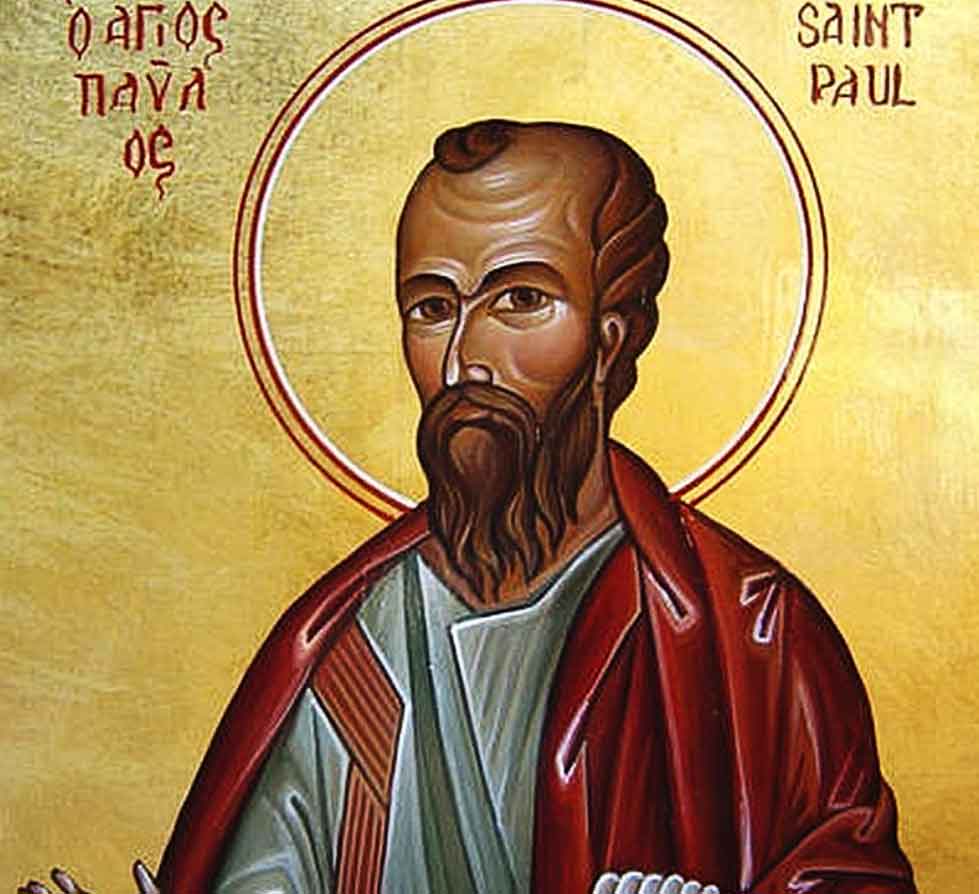
PAUL’S LETTERS
Letter to the Romans: (16 chapters) Paul begins by stating that he was chosen to spread the Gospel. He states that Christ, born of the line of David in the flesh, is the Son of God through his resurrection from the dead. Arguing that the Gospel came first for the salvation of the children of Israel and then for the salvation of the other nations, he speaks of the importance of “believing in this.” He describes God’s glory and the benefits of doing good and avoiding evil. The equality of Jews and Gentiles, and the fact that “faith in the new order”—independent of the Law—will bring salvation, are explained with references to the Old Law and the prophets. He declares that faith is far more valuable than good works, and that just as death came through Adam’s sin, so salvation came through one person (Jesus).
By explaining the sanctity of the Holy Law (the Old Testament) in a contextual manner, it declares that it has now been superseded by the new law. The congregation of believers is exhorted not only to believe that Christ is the Son of God and to profess this in words, but also to practice kindness, sharing, and righteousness—and conversely, to refrain from evil and hostility. It concludes by emphasizing the need to be wary of those who speak against the teaching. This letter, believed to have been written between A.D. 57 and 59, is placed first among the letters—even before those considered older—because of the “importance” of Rome in the historical context of the developments we have discussed.
1 Corinthians: (16 chapters) It begins with warnings to the believers in the Corinth region of Greece regarding the divisions among them—such as those following Paul, Apollos, Cephas, and Christ. It explains that the teaching, which the Jews consider a “stain on the face” and the Greeks deem “nonsense,” is more valuable than their wisdom. He says that the teaching is reflected in the saying, “Solid food for adults, milk for infants.” He provides answers to questions on topics such as marriage, eating meat sacrificed to idols, prayer practices, the head covering commandment, and communal meal rituals. Written around A.D. 55, this letter also reflects the internal conflicts within the community.
2 Corinthians: (13 chapters) Amid the many hardships he was enduring, Paul writes another letter to the Corinthian church so that they may understand him better. He responds to accusations made by “certain people” who claim that while his “letters are weighty and effective, his personal presence is ineffective, and his speaking ability is nonexistent.” He then addresses those he describes as “so-called superior apostles, false apostles, deceitful workers, and those who masquerade as apostles”—who, like his own apostles, were active in the Corinthian region—admonishing them: “You tolerate those who come to you and preach a different Jesus than the one we introduced.” The letter also contains phrases that offer clues as to the identities of these individuals, such as “Hebrews, sons of Israel, descendants of Abraham, and servants of Christ.” Believed to have been written around A.D. 56–57, the letter concludes with a prayer for the grace of the Lord Jesus Christ, the love of God, and the fellowship of the Holy Spirit.
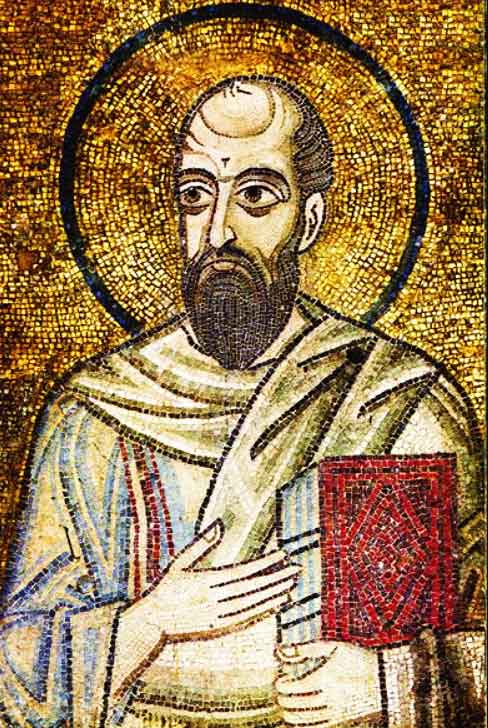
Letter to the Galatians: (6 chapters) Written to the Galatian church in Central Anatolia, this letter begins by explaining that Christ was crucified for the sins of humanity in accordance with the will of God the Father. Condemning the community’s turn toward a different gospel, it emphasizes that the only true gospel—which he received by revelation from Christ—is the one he is proclaiming. He explains the disputes and disagreements he had with the apostles without naming names. He declares that “salvation is attained not by keeping the requirements of the Law, but by faith in Jesus Christ”—a key distinction. In short, he concludes his letter by stating that only those who believe in the teaching he has proclaimed will become children of God.
Letter to the Ephesians: (6 chapters) It explains that the power and authority God bestowed upon Jesus Christ are made tangible in the holy community (which will be referred to as the Church). He emphasizes the importance of the revelation God gave him to reveal His mystery. The statement in the letter, “There is one God and Father of all, who is over all and through all and in all, but grace has been given to each of us according to the measure of Christ’s gift,” highlights God’s majesty while using the word “but” to articulate his own theology. He offers warnings to the members of the congregation, such as “control your anger, rejoice, forgive, do not steal, commit adultery, or act unjustly, do not expose what is hidden, and do not get drunk on wine.”
The Letter to the Philippians: (4 chapters) It is believed to have been written in AD 61 to Philippi, located in the region of Greece. It exhorts believers to persevere with patience in the face of the difficulties encountered in spreading the Gospel. It explains the humility demonstrated by Jesus Christ with the statement, “Though he was in the form of God, he did not regard equality with God as something to be grasped…” It reminds readers to be cautious against the Herodian groups, whom it refers to as “those who do evil, the circumcision fanatics.” Letter to the Colossians: (4 chapters) Written to the church in Colossae, located near the city of Denizli, this letter explains Christ’s identity and mission as “the image of the invisible God, the firstborn over all creation, in whom all things were created, and in whom God was pleased to have all his fullness dwell.” He states that the divine mystery—summarized as “Christ in you, the hope of glory”—was revealed to him as a chosen apostle, and that his mission is now to fully proclaim “the mystery that was hidden for ages and generations but is now being revealed to his saints.” He emphasizes the need to be vigilant against opposing teachings that contradict this.
1 Thessalonians: (5 chapters) In this letter, believed to have been written around A.D. 50, he begins by praising the activities of believers who have carried his teaching as far as Thessalonica and the surrounding regions. He exhorts them to wait patiently for the return of Jesus Christ from heaven. He urges them to be prepared and vigilant, as that day will come suddenly. Second Epistle to the Thessalonians: (2 chapters) He again exhorts them to remain steadfast regarding the return of Jesus Christ from heaven, which is believed to be His second coming. It is stated that when that day comes, believers will be saved, while unbelievers will suffer eternal torment. It addresses the need for believers to stand firm against these trials by foretelling that “the man of lawlessness”—a figure we might describe as the Antichrist—will come and thoroughly disrupt the world’s order, and that in response, Jesus Christ will descend from heaven to destroy him.
1 Timothy: (6 chapters) The letter was written to Timothy of Konya, one of Paul’s closest associates. Paul sent him to many places, both to accompany him and to spread his teachings independently. In this letter, he instructs Timothy to remain in Ephesus for a while longer and to stand firm against the false teachers (the “Apostles”) who are spreading heresy. He also addresses the conduct and behavior of women among the believers, as well as the qualifications required of those who will lead the holy community (the Church). 2 Timothy: (4 chapters) Once again, he advises his assistant to be on guard against the empty rhetoric of those who teach false doctrines and to continue spreading the gospel. He emphasizes the importance of thoroughly understanding the entire Holy Scripture (the Old Testament), as it is inspired by God to teach and guide. Paul writes that those around him abandoned him during his first trial in Rome. In his letter, he seems to await a possible death sentence with joy.
Letter to Titus: (Chapter 3) It lists the criteria for leaders, as well as for male, female, and child members of the holy community. It advises standing firm against the groups of apostles engaged in debates over “the Law and circumcision.” Letter to Philemon: (1 chapter) This is a short letter in which Paul pleads with Philemon, the master of Onesimus—a runaway slave who was with him and striving to serve the teaching—on Onesimus’s behalf. Letter to the Hebrews: (13 chapters) The exact author of this letter, believed to have been written between A.D. 60 and 65, is unknown. The letter, which appears to have been written from Italy, explains “that Jesus Christ, as the Son of God, sacrificed himself on the cross as atonement for the sins of humanity and for their salvation; that he replaced the provisions of the Law with a new covenant; that Christ is superior to both Moses and the angels; and the importance of believing in him in this way,” It attempts to explain these concepts to Jewish believers in the Messiah using Hebrew terminology and references (quotes from the Old Testament and references to famous forefathers such as Abraham and Moses).
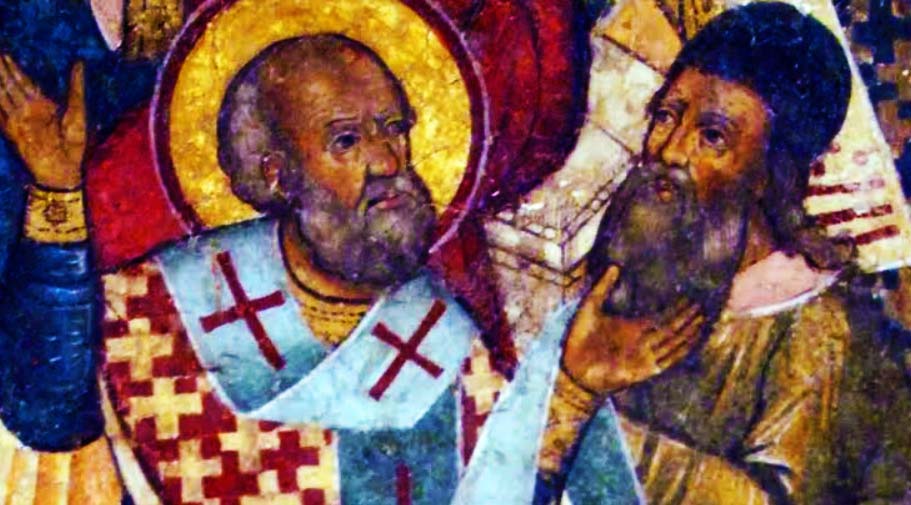
THE EPISTLES OF THE APOSTLES
The Epistle of James: (5 chapters) It is believed to have been written by the Apostle James, addressed to the 12 tribes of Israel who had been scattered. This letter, which unequivocally affirms the oneness of the Almighty God, places particular emphasis—unlike the other letters—on the futility of faith without “good, righteous, pure, and sinless deeds.” This short epistle contains many pithy sayings and warnings faithful to the core teachings of the Prophet Jesus, along with consistently God-centered messages. Expressions such as “You believe that there is ONE God…” or “…there is ONE Lawgiver, ONE Judge; He is the One who has the power to save as well as to destroy…” (James 2:19, 4:12) point to the conception of God in the early period. Perhaps for this reason, while the term “Lord Jesus”—which appears to be used in the sense of the prophet of the Revelation of the Holy Book—is present in the letter, the term “Son” does not seem to have been used deliberately.
1 Peter: (5 chapters) This epistle was written to believers scattered throughout Pontus, Galatia, Cappadocia, the province of Asia, and Bithynia. It explains that the sufferings Jesus Christ endured through His death and resurrection serve as atonement for sins and will lead believers to salvation at His second coming. It earnestly urges members of the holy community to compete in upright virtues, both among themselves and toward outsiders, with love and respect.
2 Peter: (3 chapters) It explains that the return of Jesus Christ and God’s address to him as “my beloved Son” are true, and that these accounts are not fabricated myths. It emphasizes that the Holy Scriptures (the Old Testament) were revealed to the prophets through divine inspiration and are not the product of human words. It issues warnings against groups that oppose the doctrine. In the final chapter, it affirms Paul’s teachings and letters as “wisely written” and highly valuable works.
1 John: (5 chapters) It states that sin should not be committed, but if it is committed, Jesus Christ offered himself as a sacrifice for all sins. It points to the growing number of those who oppose the Christ as they define him as evidence of the coming of the last hour. Clues are provided regarding the identity of those labeled as “antichrists,” noting that they are those who have separated themselves from the community. It appears that this group interprets the Father-Son relationship between Jesus and God differently. The author of the letter strongly opposes these groups, who interpret Jesus Christ as “the Son who took on flesh and came into the world,” and warns, “Do not pay attention to their empty words.” He uses this opportunity to emphasize the importance of believing in Jesus Christ, the Son of God.
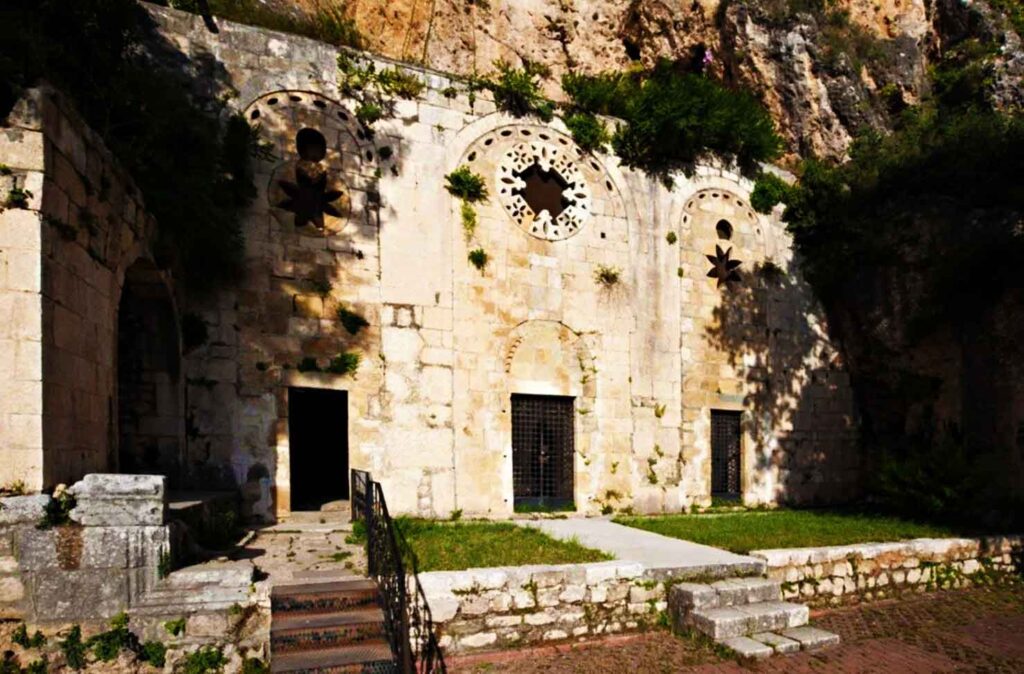
2 John: (Chapter 1) The statements, “Yet many deceivers have gone out into the world who do not acknowledge Jesus Christ as having come in the flesh,” and “These are the deceivers, the antichrists,” summarize the content of the letter. The warnings, “Do not welcome such people into your homes; do not even greet them,” indicate that these groups are clearly present within the local communities. 3 John: This is a very short letter written to a believer named Gaius. It condemns a man named Diotrephes for vehemently opposing this teaching and expelling those who lean toward it from the holy community. Nevertheless, it reminds readers to remain faithful to the teaching.
The Epistle of Jude: This is a short letter written by a man who identifies himself as Jude, the brother of James. Addressing a close-knit group opposed to the “Son of God” doctrine, he criticizes them with epithets such as “godless people have crept in among you, senseless beasts, fruitless trees,” and advises them to be on guard against such individuals. He urges those who remain faithful to the teaching to wait patiently for “the mercy of Jesus Christ, which leads to eternal life.” Revelation: (22 chapters) This book is believed to contain the revelation that God gave to Jesus Christ to announce certain events that will take place in the near future, which Jesus Christ then communicated to John through an angel so that he might write it down. He first writes the revelation he received to the seven holy congregations (churches) in the regions of “Ephesus, Smyrna, Pergamum, Thyatira, Sardis, Philadelphia, and Laodicea.”
He warns all seven congregations of the tragic fates of dissident groups and the grim futures awaiting those who side with them. The phrases “the synagogue of Satan” and “those who claim to be apostles but are not” provide clear indications of who they are. Following this, John embarks on a mythological journey with the help of angels; through numerous legendary visions—involving “angels, the Council of Elders, beasts, dragons, etc.,” the mention of the name “Armageddon,” and the number 666 associated with the devil—he claims to provide evidence for the authenticity of his writings. He declares that not even a single letter of what he has written should be altered, because it all came to him as a revelation from God. In these events, which are generally described in symbolic language, the message conveyed is that Jesus Christ is God’s only Son, the Lamb of God who takes away the sins of the world, and that only those who believe in this will be saved.
Through verses describing both pagan practices and events of particular significance in the Jewish mind—such as the fall of Babylon—and by drawing on historical references from Messianic Jews who emerged from Judaism and remained faithful to the Holy Law, it conveys the message: “Either join us and attain salvation, or, as false apostles, live after death in the seas of fire alongside the demons.” In the Gospel texts we have attempted to summarize briefly, we observed that there are many pithy sayings and passages from the core doctrine—that is, ed-Din. It is also not difficult to discern that, as a result of the controversies that arose in the period following the time of the Prophet Jesus, different perspectives were interspersed throughout the Gospel texts. The fact that the Gospels of Mark, Matthew, and Luke present the same parables and examples in many instances has led to them being referred to as the Synoptic Gospels, as explained above.

Let us also note that there is no consensus regarding any of the propositions put forward by critical approaches—such as whether these Gospels stem from a single source, were inspired by one another, or whether each arrived at them independently. The internal conflicts observed particularly in the letters appear to have been among the most turbulent struggles of the era. It is possible to shed light on the divisions we have outlined in the historical background from this perspective as well. After the Prophet Jesus’s activities in the region came to an end, the Apostles—who were Messianics bound to the Old Testament—and their followers, along with Paul and his supporters, formed roughly two active groups. As far as we can tell, even within the group known as the Apostles, there emerged those who interpreted the teachings of the Prophet Jesus differently, and their successors—whom we broadly refer to as the Apostolic Party—went their own way.
Just as there was no single, fixed school of thought among the Havarics, there has been no single, fixed school of thought among Pauline groups either. Ultimately, over the centuries, the 27 passages we shared above have become generally accepted within the Christian world. Now we can move on to sharing some passages found in the Gospels that we believe to be “verses of the faith.” Of course, we could have interpreted and translated the expressions in these texts through our own perspective, based on the sentiments of their time and their possible implications. However, just as we did with the passages we shared from the Torah, we are leaving these as they are so that readers can determine for themselves what the expressions in these texts convey. The key point the reader should keep in mind here is to read these texts—such as the terms “Father,” “my father,” and “your father” used for God, or “son” and “sons” used for Jesus and his companions—with an awareness of their meaning during the period in which they were spoken, in line with what we have explained.
Denominations and Schisms / Catholic – Orthodox
The Ebionites categorically rejected many central tenets of Christian belief in Jesus and did not believe in his divine nature. Similarly, they did not accept Jesus’ pre-eternal existence, his birth from a virgin mother, or his physical resurrection. They emphasized the unity of God, arguing that Jesus was the biological son of Mary and Joseph—that is, a human being—and that he was chosen by God because he was a virtuous man. Some, however, did accept that Jesus was born of a virgin. According to the Ebionites, Jesus was merely a prophet, like Moses.
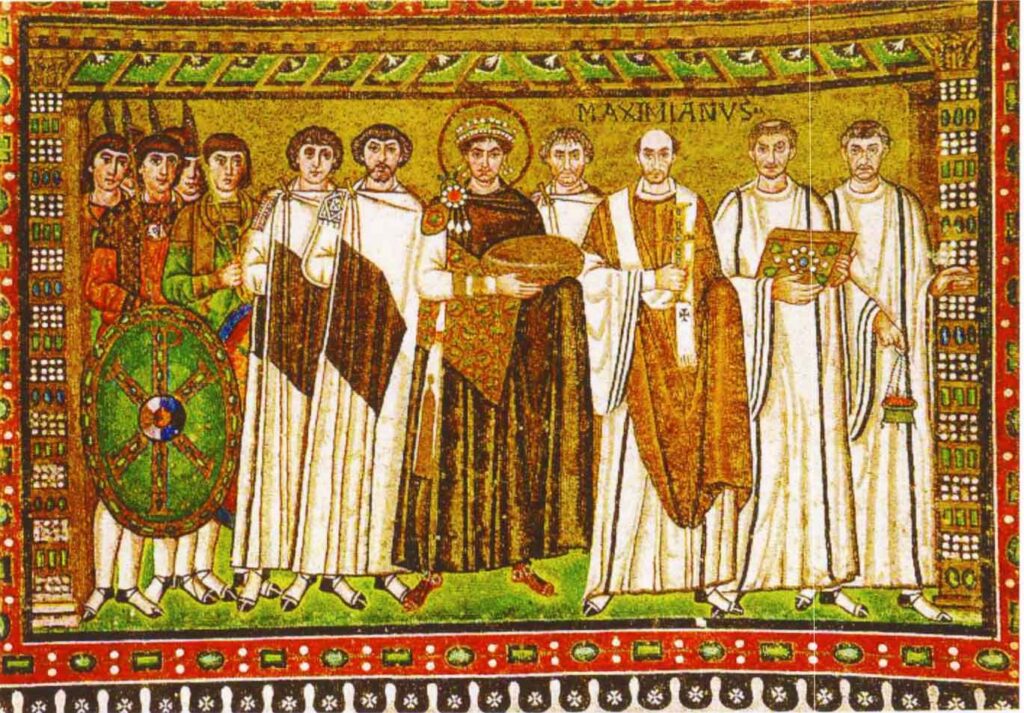
The Ebionites rejected Paul’s apostleship and the validity of his letters, relying solely on the Gospel of Matthew because it was written in Hebrew. Some authors mention that the Ebionites had their own Gospel, which was known as the Gospel of the Hebrews. Eusebius states that the Ebionite Gospel was a slightly altered version of the original Aramaic text of Matthew. As part of Jewish customs, this group revered Jerusalem and observed the tradition of male circumcision. In the Eucharist (eukharistia) service, the Ebionites used only water instead of wine.20 The consensus among virtually all Orthodox writers is that the Ebionites were radical Christians.
The Influence of Arianism and the Eastern Roman Empire
It is estimated—though not with certainty—that Arius was born in Libya in the early 260s AD. The only evidence supporting this estimate of Arius’s birth date is the fact that he was described as an elderly man (yepcov) during the early years of the Arian controversy (between 318 and 323). The 260s, when Arius was born, coincided with a turbulent period in the Roman Empire known as the Crisis of the Third Century. During these years, Christians had only recently emerged from a policy of organized persecution carried out by the state. Arius’s name first became known in Christian circles during the “last great persecution” launched by Diocletian against Christians in 303 (with intermittent periods from 303 to 313), amidst schismatic debates within the Church.
During this period, Arius was accepted into the Church by Peter, the bishop of Alexandria, and was one of the leading preachers in the Christian community. The “last great persecution” had sparked schismatic issues among Christians in both Carthage (Carthago) and Alexandria: in Carthage, the schism led by Donatus of Casa Nigra, a native of Numidia (Donatism); and in Alexandria, the crisis caused by Meletius, the bishop of Lycopolis. 11 At the heart of the debate in Alexandria lay the question of how to treat Christians who had broken away from the Church during the persecution but returned once it had ended.
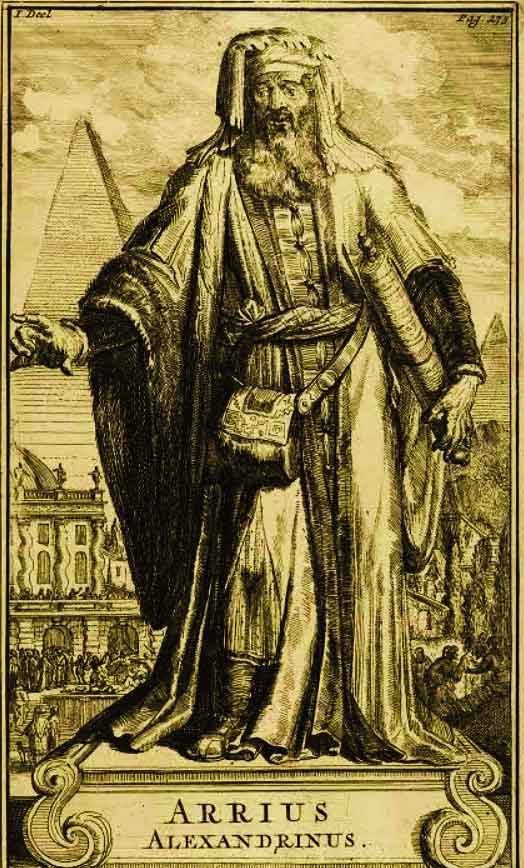
Arius’s Jesus: What were the theological views that made Arius so popular in Alexandria? We can find information about Arius’s theology in the letters he wrote first to Eusebius, Bishop of Nicomedia, and later to Alexander, Bishop of Alexandria (formerly of Nicomedia), as well as in another collection of his works titled *1balia*, written in poetic form. 15 At the heart of the Arian controversy lies the issue of defining the two fundamental elements that constitute Christian doctrine: God the Father and the Son (Jesus). 16 Four main points emerge in Arius’s theology. First, Arius’s primary emphasis is on the unity (monad), absoluteness, majesty, creativity, incomparability, uniqueness, and supreme glory of God the Father. The letter Arius wrote to Bishop Alexander, presented at the end of this section, expresses his thoughts on this subject very clearly.
The Father had no beginning, but the Son did have a beginning. The Father was unborn and unbegotten (agennetos). The Son was subject to the Father and had been created by Him from before the ages. However, the Son was not an ordinary creature, but the most perfect of all creatures. The Son owed His existence to the Father. Second, because the Son was a being (ktisma), He had a beginning, whereas the Father was eternal and infinite. In a letter to Eusebius, the bishop of Nicomedia, he laments, “We are being persecuted because we say that the Son had a beginning, but the Father is eternal and infinite.” On this subject, it is worth recalling Arius’s famous slogan: “He [the Son] did not exist; there was a time, or once He was not.”
Third, according to Arius, the Son was not in a natural relationship with the Father, because He did not have direct access to the Father’s knowledge. Although the Son was the Word and Wisdom, He was distinct from the Father’s Word and Wisdom, because, while the Son was a perfect human being, He was distinct from the Father’s essence, just like all other human beings. Alexander, the Bishop of Alexandria, writes that during an interrogation, one of Arius’s followers admitted that “the Son could err.” 17 In his work *Tbalia*, Arius accepted the Trinity—though not in the sense commonly held at the time—and recognized the Son as God.
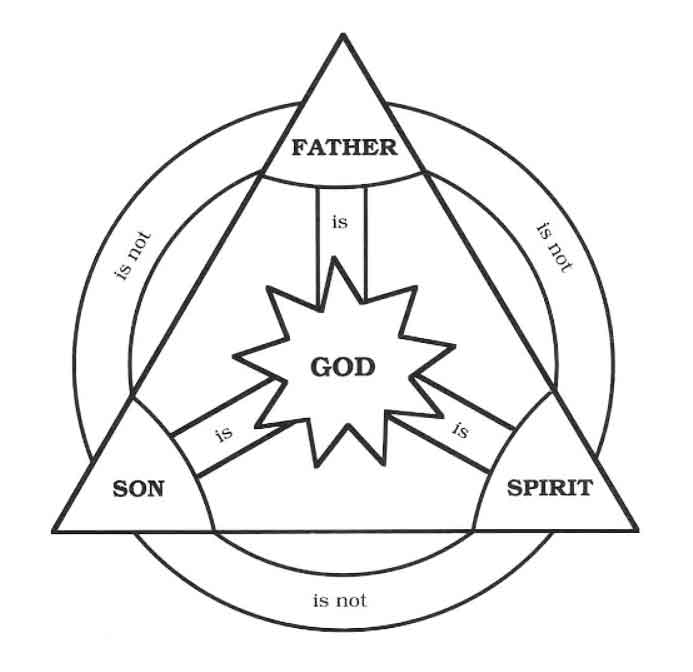
However, this acceptance did not mean that he believed the Son was truly God. In the first 50 years after Jesus, the name of the second monotheistic religion—whose teachings were known as the “Gospel” or “The Way,” and whose followers were called “Isavi” (followers of Jesus) and “Nasrani” (referring to Jesus’ birthplace)—was established in Greek-speaking Antioch. The term “Christian,” derived from the Greek word for Jesus, “Christ,” by the believers in Antioch, became universal after it appeared in the fifth book of the New Testament, “The Acts of the Apostles,” written between the years 70 and 80.