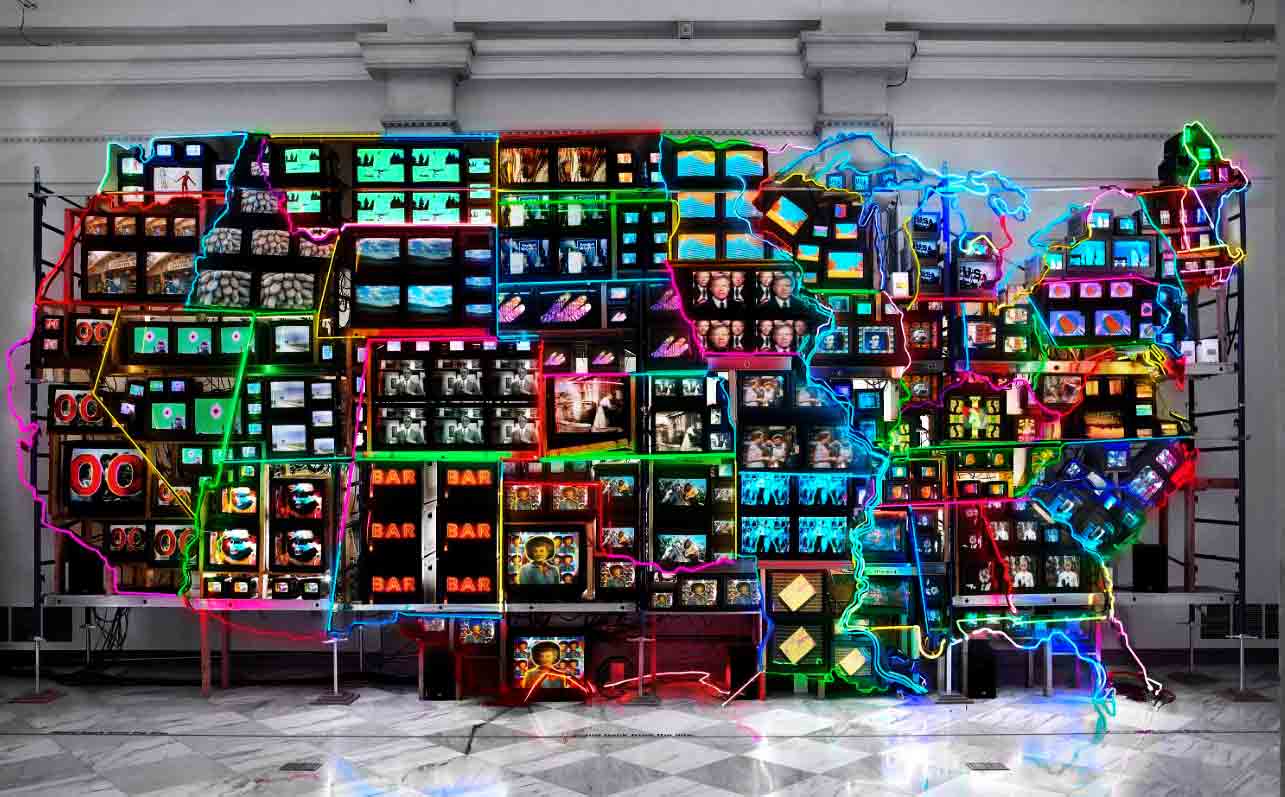
Artists have always embraced emerging new media platforms; therefore, it was inevitable that new media such as video, computers, and the Internet would also be seen as compelling tools for creating original works of art. From the first generation of computer-based works produced in New York and Germany in the mid-1960s to the interactive Internet art practices of the 21st century, New Media art has evolved in various ways, passing through many unforeseeable phases.
According to some, New Media Art began with the use of oil paint in the 15th century; according to others, it began with the use of photography in the 19th century, for example. However, the term “New Media Art” was not yet in use during those periods. The term was first employed to describe the use of new technological platforms that became widespread in the late 20th and early 21st centuries. The use of video in the experimental works of artists such as Nam June Paik (1932–2006) can be counted among the artistic developments that emerged during that period. The term “digital art” began to be used in the 1980s with the launch of the World Wide Web (www). This network was established in 1989 by Timothy Berners-Lee (1955) to enable physicists working at the European Organization for Nuclear Research (CERN) to discover and share vital information on a global scale via computers connected to the internet. After the physicists, some of the first people to benefit from this network were artists who, thanks to it, saw the potential to express themselves in a way no artist had ever experienced before.
The Spread of the Internet and the Development of Computers
By the very nature of the new technological revolution, the field of New Media Art has experienced constant change and rapid development worldwide since the beginning of the 21st century. New Media Art is a term that encompasses a wide range of works produced using new media, as its name suggests. These mediums include digital technologies such as the Internet, video and computer animation, photography, smartphones, and other computer-related materials. From the very beginning of its development, traditional artistic activities such as painting, drawing, and sculpture began to undergo a transformation due to the influence of digital technology, and new works emerging from the use of digital technologies have been recognized as artistic practices.
As digital technology became cheaper, more accessible, and easier to use, some prominent artists also began to adopt it. For example, in 1986, Richard Hamilton recreated his Pop Art collage *What Makes Today’s Homes So Different, So Appealing?* using the Quantel Paintbox computer graphics program. He titled this new version, created using scanner output and digital photographs, *What Makes Today’s Homes So Different?*. In 2009, David Hockney used his new iPhone for the first time to produce mini artworks, helping to popularize the idea that the iPhone and other new media devices are acceptable mediums for creating art.
Best known for his contribution to the development of the 1990s “net.art” movement, Heath Bunting is interested in performance, documentation, and image-based works across a wide range of media. Since ideas are of primary importance in his work, he can be classified as both a Conceptual Artist and a New Media Art Artist. He aims for his works—which blur the boundaries between art and everyday life—to be playful, sometimes controversial, and to reach his audience through unconventional methods. Many of his works, including those on irational.org, explore concepts such as commercialization, visibility, the creation of social networks via the Internet, and the nature of the connections between art and life, life and the Internet, as well as perceptions and communication. As artists begin to use new technologies and mass media, other tools are replacing the old “new” communication tools—such as video, film, cassettes, and certain software—making it increasingly difficult to preserve, protect, and exhibit artworks that, until recently, might have been considered groundbreaking but are delicate and quickly become obsolete.
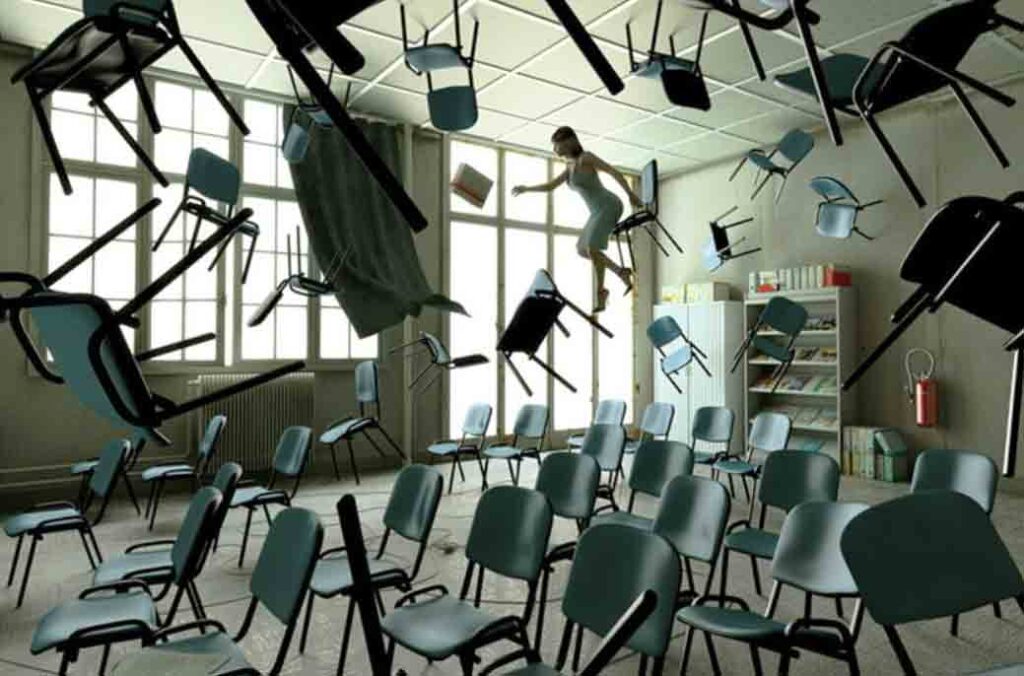
Preserving works of art has always been—and continues to be—a priority in the art world, but new forms of art production also bring new challenges. When home computers first began to appear in the 1980s, more artists started experimenting with methods of artistic production using them. Jeff Wall (1946), drawing inspiration from Surrealist art, digitally manipulated photographs to create realistic-looking imaginary images. Heath Bunting, who launched “irational.org” in 1994, continues to explore the possibilities created by methods that allow everyone to connect with one another via the Internet and enable active audience participation.
Leading Figures in Media Art
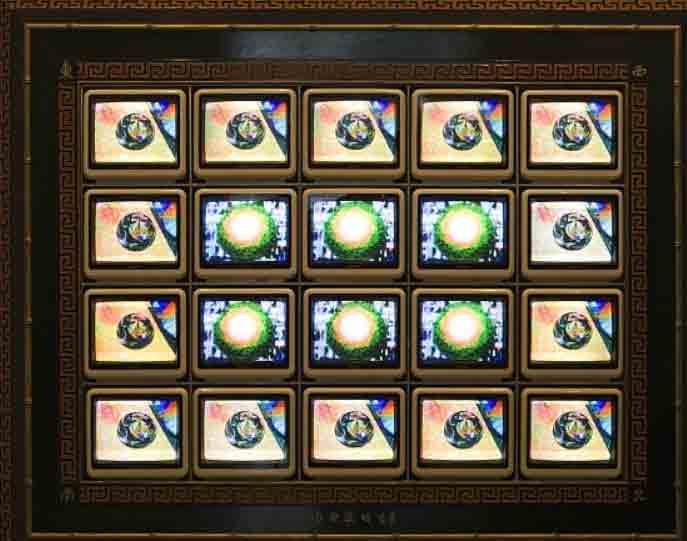
Bill Viola (1951) highlights certain ideas about life and existence through his video art works, which utilize images, light, and sound. In the mid-1990s, Dirk Paesmans (1965) and Joan Heemskerk (1968) founded jodi.org, also known as the Jodi art collective. In creating their daring works, they frequently used modified computer games, incorporating animations, graphics, pop-up messages, and changing URLs. Peter Stanick (1953) creates digital paintings of New York street scenes in the Pop Art style, while Christophe Bruno (1964) produces works that question language.
Jake Tilson (1958) created the website The Cooker in 1994. Accessible from any computer, The Cooker features images, texts, and experiences shared from all over the world. This means that art is accessible to everyone and can be used in any way the viewer chooses. All content on The Cooker is related to food, and each page takes its viewers—or, in other words, the participants—to a new realm. Some of the shared content includes audio recordings made while cooking, photographs of restaurants around the world, or footage from a train journey to the location where the meal will be prepared.
New Media Art continues to emerge and evolve in various forms, and as long as this continues, it will remain unclear exactly how these works will be produced and perceived. As technology advances and new artists emerge with original ideas, many changes and developments will inevitably take place. So far, it is not possible to speak of a common concept or standardized practices; the working methods of New Media Art Artists vary greatly. Fundamental ideas revolve around using new media art and conducting experimental work with them; the resulting works will take shape according to the artists’ imaginations and abilities. New Media Art artists come from very diverse backgrounds. Among them are individuals ranging from those with traditional fine arts training to graphic designers, from photographers to computer specialists, and from sound artists to those with experience in technology-based projects.