The giants of the art of poetry and the emergence of Symbolist poetry are among the most fascinating developments in the history of poetry. Charles Baudelaire, the “god of poetry” pioneered the development of the Symbolist movement in poetry and literature, while great poets such as Stéphane Mallarmé defined the movement’s principles on a theoretical level. We will examine the theory of Symbolism in poetry and the Symbolist poets.
Symbolism emerged as a reaction to the Parnassian School, which preceded it and coexisted with it for a time. However, the Symbolists did not articulate their principles in a clear and systematic manner, nor did they establish a classification system. Furthermore, the Parnassian School and Symbolism were intertwined and developed side by side. For example, although Baudelaire, Verlaine, and Mallarmé were part of the Parnassian tradition—that is, the classical Romantic tradition—they often wrote Symbolist poetry and exhibited Symbolist qualities. For this reason, both critics and literary historians have faced difficulties in defining Symbolism and identifying its principles. Symbolism is the establishment of individualism, idealism (the love of the ideal), intuition, indecision, fantasy, flexibility, and—above all—a more subtle harmony.
This new theory, in contrast to the Naturalism it disdained, emphasizes the poetic essence. Like all movements, it owes some of its principles to other movements that preceded it or existed alongside it. It adopts from Romanticism the view that poetry is an inner song, an expression of individual subjectivity, and that bourgeois society excludes and condemns the poet. The separation of action from dream and the concept of art, however, are a legacy of the Parnassian School. According to the Symbolists, poetry is a form of recognition, an intuitive approach to the hidden universe, an experiment in the absolute, and a creative idealism. In this respect, they are close to the German Romantics, who explored an experimental metaphysics based on an Orphic interpretation of the universe. Language becomes a key that unlocks the unknown doors of the irrational, the subconscious, delirium, and dreams. Thus, this movement represents the greatest step taken toward liberation. Complete liberation, however, will be achieved later by Surrealism.
Through Symbolist art, one enters the realm of figurative thought—that is, intuitive and visionary perceptions, inner revelations, and epiphanies. In Mallarmé’s words, “the poet’s speech yields to words that acquire a sound value, transforming into musical notes.” Verlaine, on the other hand, declares, “Music above all.” The two arts—music and poetry—draw closer to one another. Symbolism, meanwhile, is a step toward a closed, veiled mode of expression. This veiled expression is conveyed through melodies. Richard Wagner, whom the French could not understand, established his true absence in the minds of those who longed for him in France. Novalis, whose fame was less widespread, left his mark. The poet’s attitude toward nature changes among the Symbolists. Idealistic poetry is enveloped in uncertainty and the haze of thought.
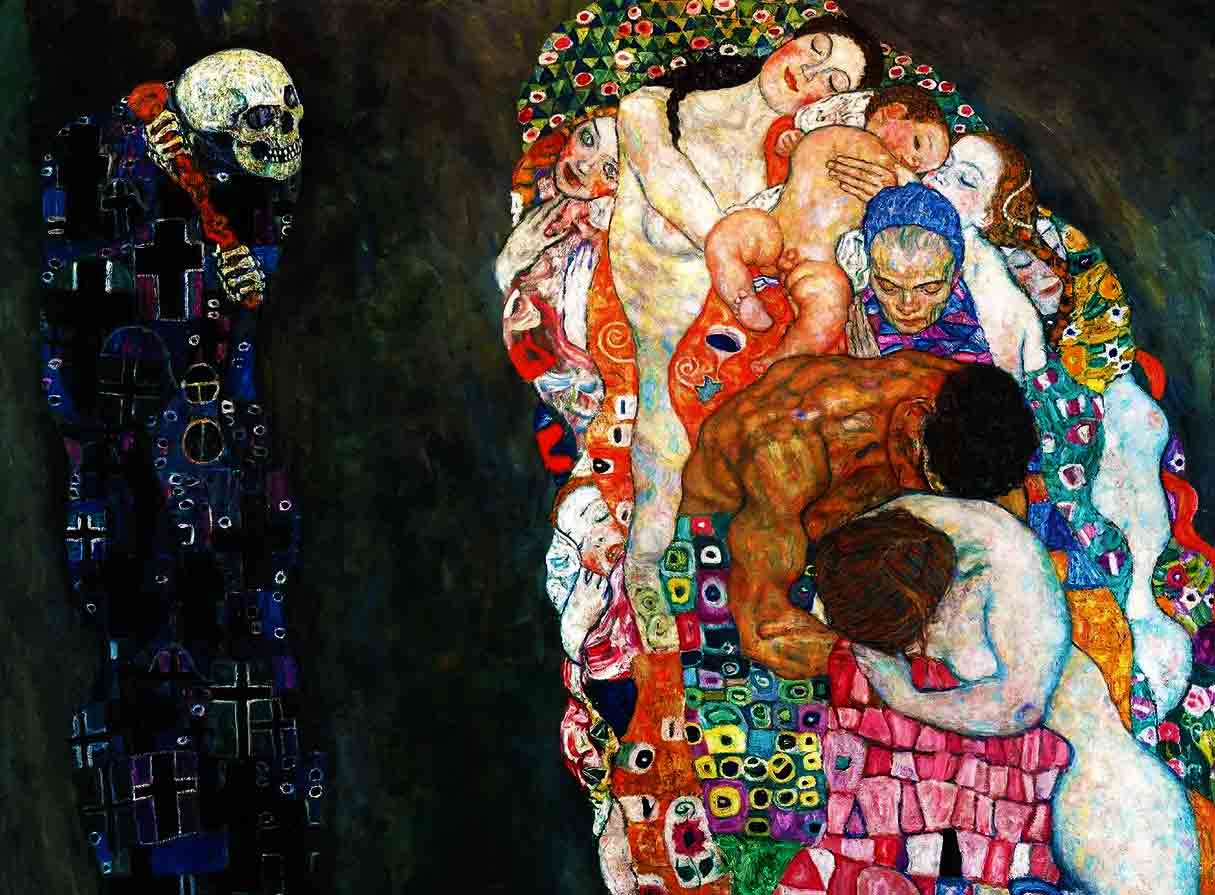
Objects exist neither of their own accord nor for their own sake; they present themselves in a perceived form. As the communicator of the emotional universe, the poet desires that the sights of nature give rise to spiritual awakenings within him; he expects this from them. It is now the poet himself—or his spirit—who creates nature’s state. The poet transforms nature according to the spiritual states of the moment he is experiencing. Nature does not bring sadness to the poet; rather, by offering his own life, body, attitude, demeanor, tears, or joys, the poet makes nature sorrowful. Symbolist painters reflect this idea through their brushes. Symbolism is not merely a literary movement. Musicians and painters also participate in it, and the scope of the movement becomes universal.
Literary history may not have devoted sufficient attention to Symbolism, but this silent revolution nonetheless succeeded in attracting much attention and provoking much thought. However, we cannot claim that the concept of “symbol” is universally accepted today. A century has passed. Surrealism has broken new ground. Yet there are still those who criticize the participants in the Symbolist movement. Symbolism was startling. Poetic thought no longer spoke in a clear and simple language through words that retained their familiar meanings. That familiar brightness was replaced by a vibrant yet new and dim light. Even back then, the Symbolists were accused of creating mental chaos through their convoluted and tangled narratives—of turning thoughts into a tangled mess, combining words in strange ways, imbuing words with new meanings, and, in short, creating mental chaos.
Symbolism placed great emphasis on beauty, aesthetics, and a passion for art. Its audience was intelligent, possessing a broad cultural background and the ability to discern and distinguish. With these abilities and resources, they strove to create a highly conscious body of work. Yet they could not reach the depths of life or the movements of the subconscious. They did not yet have the tools of psychoanalysis and Surrealism at their disposal. The tools they did have, however, were gradually steering them toward other realms. They were creating contrived mysteries, resorting to artificial inventions, and producing riddles in laboratories—all of which were diverting the Symbolists from their true purpose. Nevertheless, Symbolism added new dimensions to poetry, paved the way for numerous studies on poetry and literature, and served as a source for new movements.
In 1848, *A Rebours* was published; in 1885, *Complaintes*; and later, *Deliquescences d’Adore Floupette* by Gabriel Vicaine and Henri Bouclaire. A host of magazines emerged, striving to introduce the new movement. *Illuminations* was published in 1886. This work can also be viewed as a posthumous publication, since Rimbaud—who was engaged in trade in Africa—had, in a sense, died within the artistic world. In short, the necessary groundwork had been laid. Through the individual explorations of the four pioneers—Baudelaire, Verlaine, Rimbaud, and Mallarmé—and the collective crystallization of the decadent mindset, Symbolist literature, which had been slowly fermenting, suddenly emerged into the open and before the public eye.
Critical analysis, perhaps because it is the easiest approach, begins by examining an art movement through the instructional works written about that movement. However, we cannot find any comprehensive, introductory texts that teach Symbolist art. We encounter no didactic writings in *Art Poétique* (*The Art of Poetry*), nor in *Préface de Cromwell* (*Cromwell’s Preface*), nor in Catulle Mendes’s *Mouvement Poétique* (*Poetic Movement*). Symbolist manifestos lack a systematic structure; they take the form of literary debates shaped by the authors’ individual styles and characteristics. Even in these, there is no aesthetic formula to define Symbolism. To evaluate what has been written, it is necessary to reclassify the texts, restore the order they lack, and apply a somewhat subjective organization.
Symbolists do not believe in the existence of theories of beauty that are valid for all countries and all periods. They are more devoted to “Becoming” (Devenir) than to “Stasis” (statique). According to them, literary history is filled with stories of efforts to seek continuous and fruitful change. Furthermore, they oppose Hugo’s view that development follows an upward trajectory—sometimes rapid, sometimes slow. The evolution of art is not continuous but occurs in cycles (cyclique). Symbolism is free from prejudice and transforms thought. They do not boast of absolute originality. With their research-oriented mindset, they form the latest links in the great tradition of European spiritualism (spiritualisme). While exploring the origins of Symbolism, they cite examples from Alfred de Vigny and even from much earlier periods, such as Shakespeare.
The Pioneers of Symbolism and Their Views on Poetry
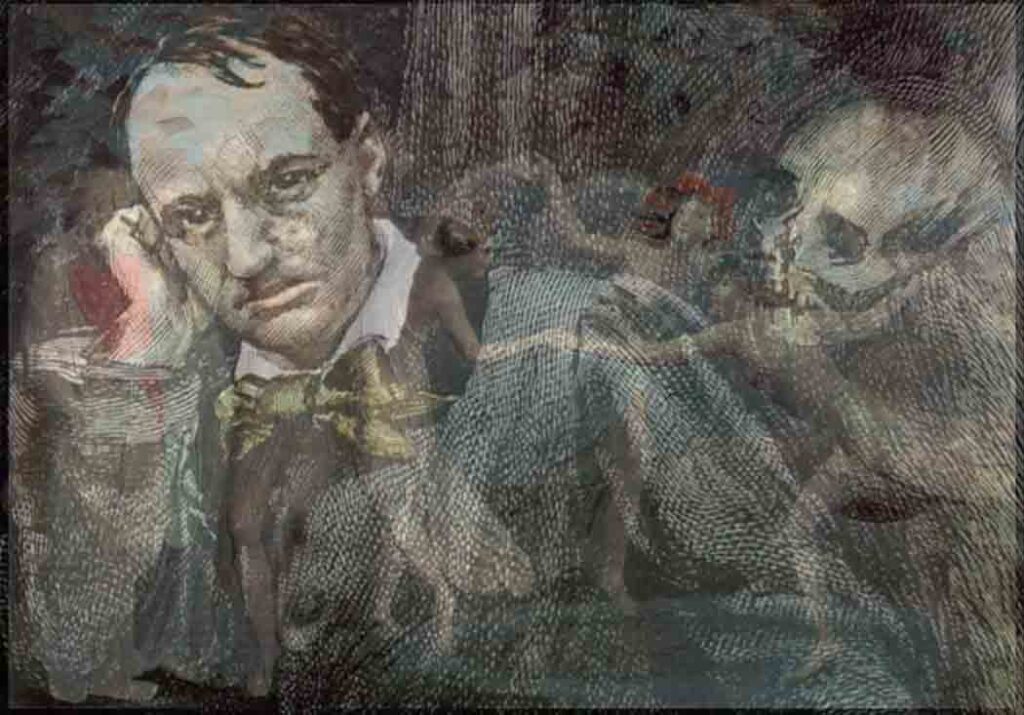
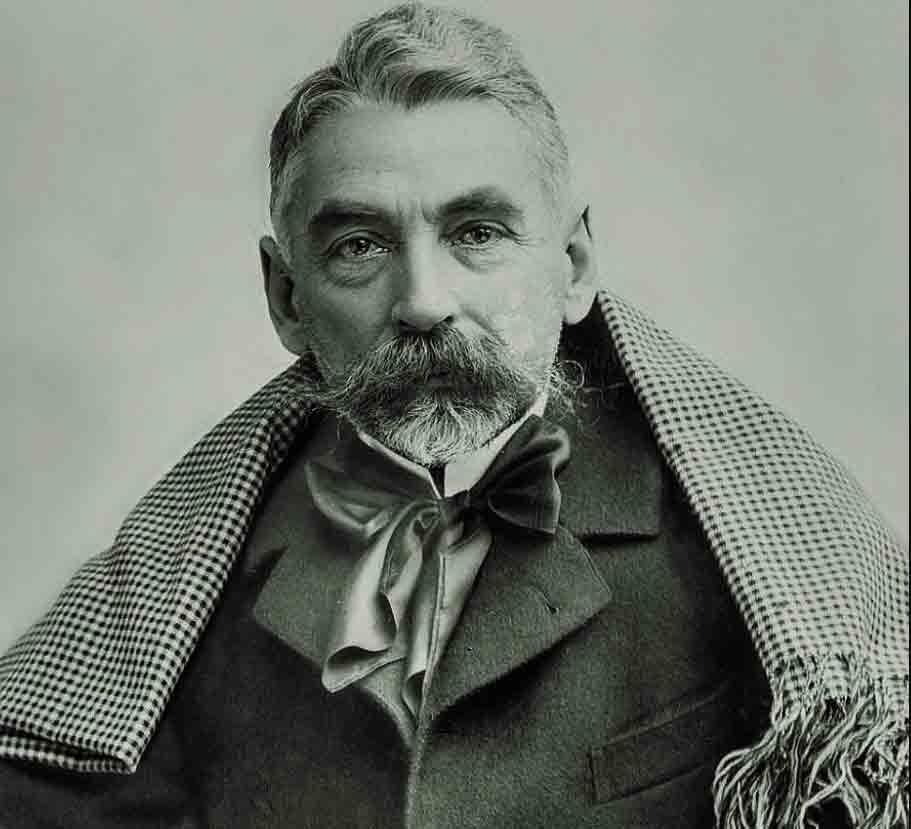
When you research the pioneers of Symbolism, you come across the great Charles Baudelaire, who laid the foundation for the “Universal Analogy” (Analogie Universelle), and Verlaine, who, with his mastery of meter and verse—embodying the mysterious and the ineffable—broke the rigid rhythms of the French language to provide the poet with a more melodic, softer, and more flexible tool. Verlaine and Mallarmé were the first to demonstrate—perhaps without even realizing it—the reaction that the Symbolists were so eager to develop and refine. However, despite their admiration for Mallarmé, the Symbolists refuse to share the respect Mallarmé showed Zola and do not hesitate to declare themselves implacable enemies of Naturalism. In this way, they also distance themselves from the Decadents, who flirted with the École de la Meda. They argued that Romanticism was also an extension of the Parnassian School.
They claim that Naturalism stems from a base scientific mindset, that it turns to vulgar phenomena under the guise of objectivity, and that the findings of Naturalism are less real than the hidden truth. In particular, we see that the Symbolists, along with their forerunners, brought to poetry a metaphysical or mysterious, sublime endeavor: the investigation and revelation of truth. Without considering the difficulties of such an ideal, they were brimming with hope in the 1880s. They had to overcome many unexpected obstacles. Around this time, the decadent mindset—which had prepared the public for the Symbolist leap—was going through its weary years. The fiery audacity, courage, and boldness of this fledgling movement increased readers’ affection and interest in Symbolism’s proclamations. But Moreas would say, “Yet this sublime grandeur has not yet been fully assimilated; a jealous and tenacious struggle awaits Symbolism’s new children.”
In short, no school has been as artistic as Symbolism. According to it, art—the collection of poems created by Symbolism through the power of genius or great effort—is more real than all other realities. Thanks to its pioneers or the Decadents, this movement opened its doors to all cleverly executed audacities, even the most crushing contradictions. If everything in the universe seeks to attain a sublime truth, the Symbolists say, it can only reach this sublimity through the love of art—and through poetry. Or, in Mallarmé’s words, ‘Everything in the universe exists to reach a book…’
Some Problems of Symbolist Movement
The severing of communication between the artist, the poet, and the reader became the greatest danger faced by Symbolist poets. Never mind the readers; Symbolism demanded a great deal of self-sacrifice even from the Symbolist artists themselves. They had to be encyclopedic scholars, master metaphysicians, formidable mystics, expert musicians, and expert psychologists. The Symbolist poet had to constantly search for native Symbols and Key Ideas (Idées-Maîtresses), and create original poems. The mind cannot withstand such a relentless, uncompromising creative effort; it grows weary. To overcome despair and profound exhaustion, one must possess the immense dedication of Mallarmé. Yet such devotion, such patience, was not present in all Symbolists. When they suffered from a lack of symbols, they resorted to brilliant wordplay. But Symbolism—which, through its philosophy and aesthetics, called the artist to complete authenticity—ultimately fell into the trap of cheap fantasies and insincerity. Symbolism, which emerged in the late nineteenth century, gradually lost its great influence.
These artists, who were concerned with the spiritual, did not yet have the tools of psychoanalysis at their disposal. Readers, accustomed to the soothing aspects of traditional poetry with its meter and rhyme, did not enjoy having to think. The movement, which demanded excessive effort, ultimately consumed some of the artists as well. After its rise, the decline began. At the beginning of the 20th century, poets also drew inspiration from its legacy. And this poetry, open to all forms of experimentation, gave birth to another poetic movement from within itself: Surrealism. Nerval, Baudelaire (1821–1867), Verlaine (1844–1896), Rimbaud (1854–1891), and especially Mallarmé (1842–1898) were the pioneers of Symbolism. Jules LAFORGUE, Tristan CORBIERE, Charles CROS, Germain NOUVEAU, Henri de REGNIER, Albert SAMAIN, Jean MOREAS, Emile VERHAEREN, Maurice MAETERLINK, Saint-POL-ROUX, Francis JAMMES, Paul CLAUDEL, and APOLLINAIRE are the leading poets of the Symbolist movement.