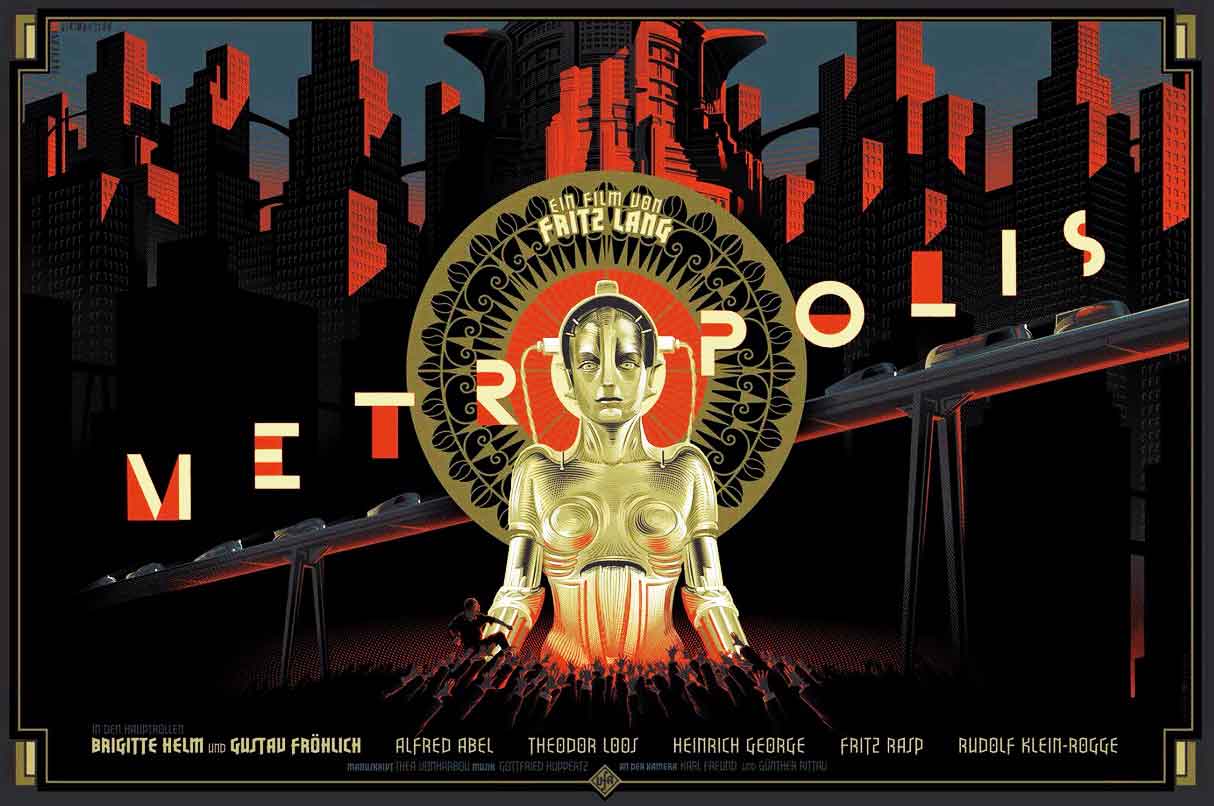
Expressionism gained popularity in the 19th and 20th centuries, leading to the creation of many artworks in this style. Fritz Lang, a German-Austrian director, also worked on the production of many films in this style. The film Metropolis, released in 1927, is also one of these films. The film Metropolis addresses many of the socio-economic and philosophical issues of the era. For this reason, we will examine the film Metropolis in this article.
It is the year 2000; the world has become excessively urbanized and mechanized. Humanity, technology, and industry have united to create Metropolis, which is under the command of the Master. The Master has a son named Freeder, who is sensitive to the workers’ existence and living conditions. Freeder rebels against the aristocratic class into which he was born and joins the ranks of the workers. Society is steadily heading toward a mass class war. A woman named Maria warns the workers that a peace envoy will emerge, claiming to unite the aristocracy and the workers. This prophetic figure is Freeder. Meanwhile, his father observes his son’s efforts and takes precautions. He responds to Freeder’s efforts by having a robotic replica of Maria built.
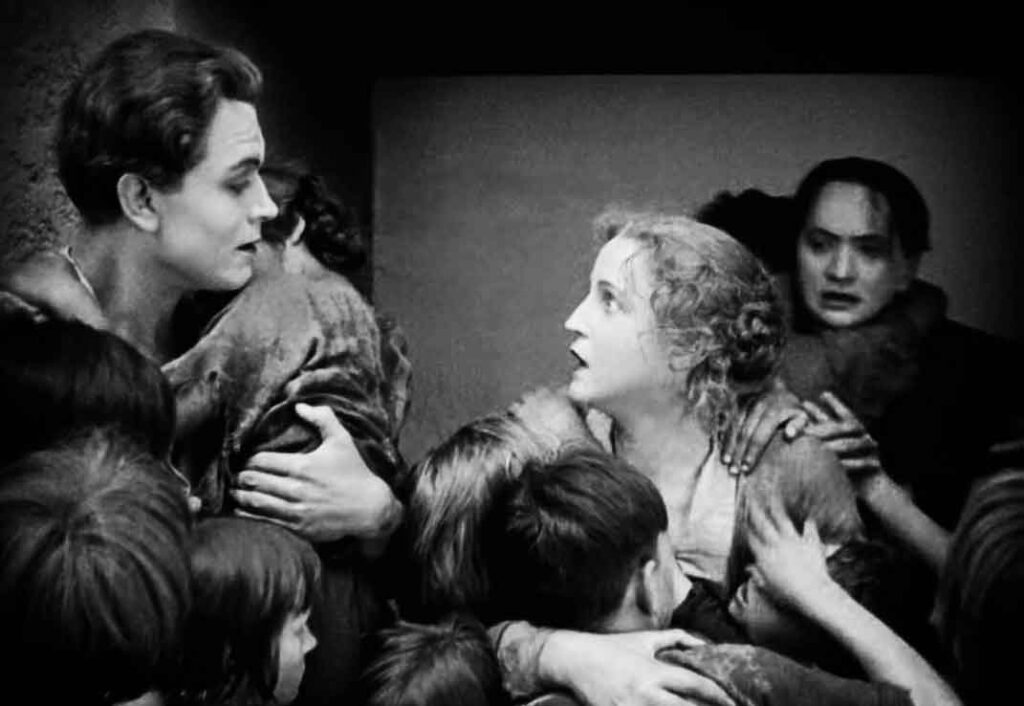
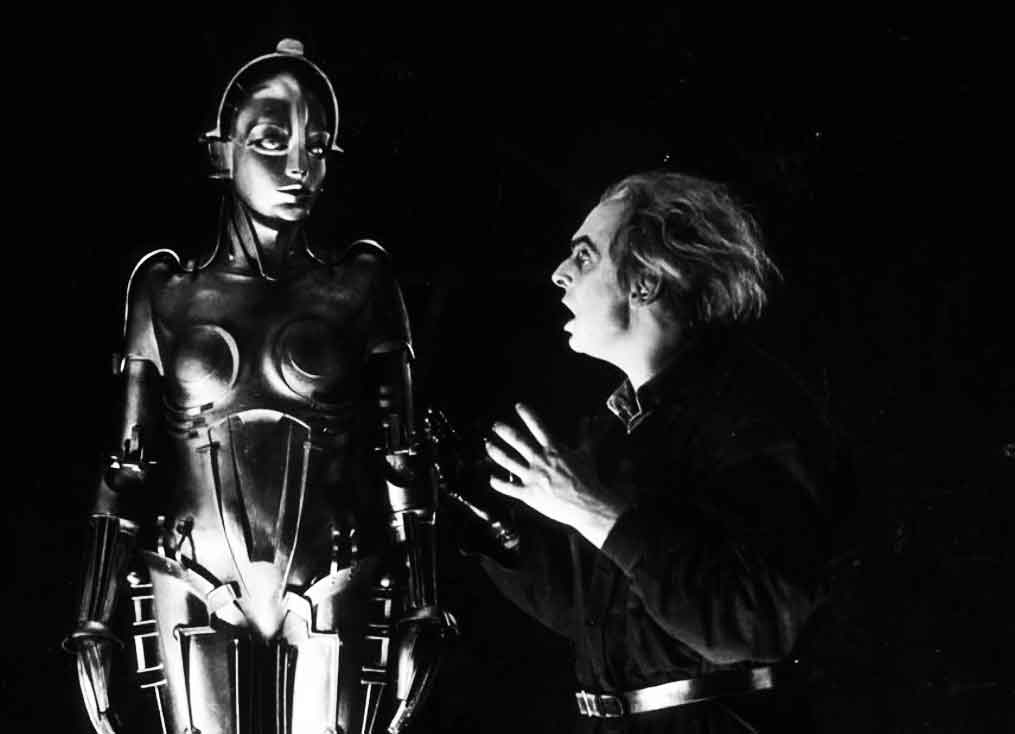
The new Maria stirs up the workers’ anger, driving them toward an even more violent uprising. As expected, the popular uprising gains momentum and overthrows this mafia-like power structure. Subsequently, a flood turns the lives of most of the workers upside down. The authorities burn Maria’s robot, which they see as the source of their own tragedy. Freder and Maria, whose bond grows stronger with each passing day, manage to rescue many workers’ children swept away by the flood. Rotwang, the scientist who created the robot Maria, sets out in pursuit of her. The two come face to face on the roof of an apartment building. Freder arrives just in time to save his love. His father, too, finally agrees to make peace with the workers.
Metropolis (1927) Fictional and Philosophical Framework
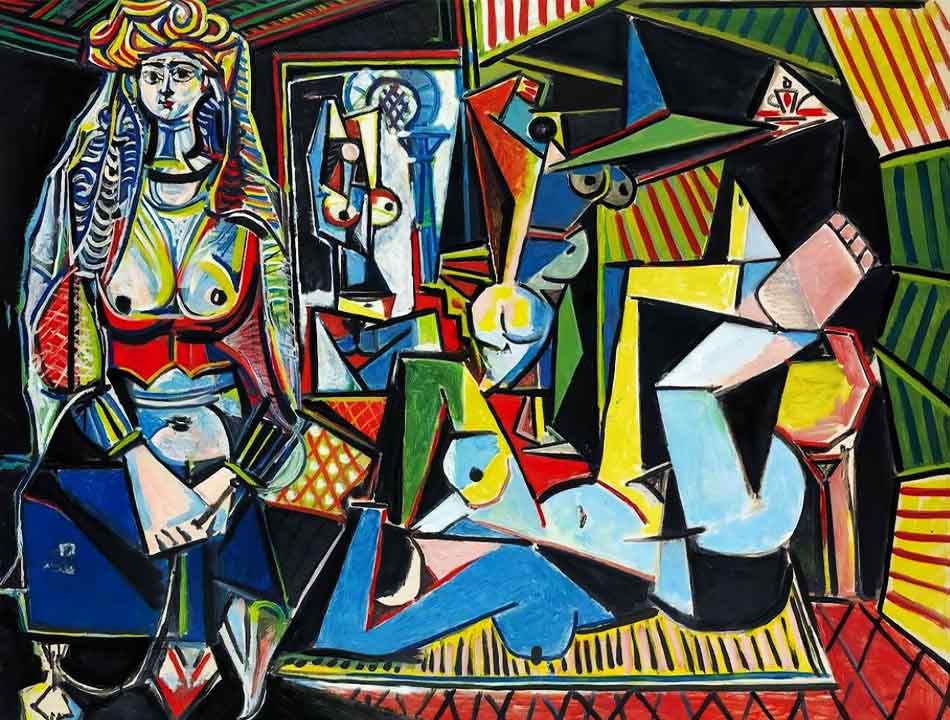
Expressionism is a term most commonly used to describe early 20th-century German contemporary art. Over time, this art movement has come to be associated with two distinct (yet constantly interacting) groups of artists: the Brücke (The Bridge) and the Blaue Reiter (The Blue Rider). The Brücke movement sought to serve as a bridge between artistic works and society. We can confidently say that the works of Karl Schmidt-Rottluff, who was closely associated with this group, most succinctly reflect the spirit of Expressionism. In the Blaue Reiter group, the name Wassily Kandinsky stands out the most. The common thread among all art groups that can be categorized under Expressionism is their reliance on non-naturalistic forms in their depiction of the world.
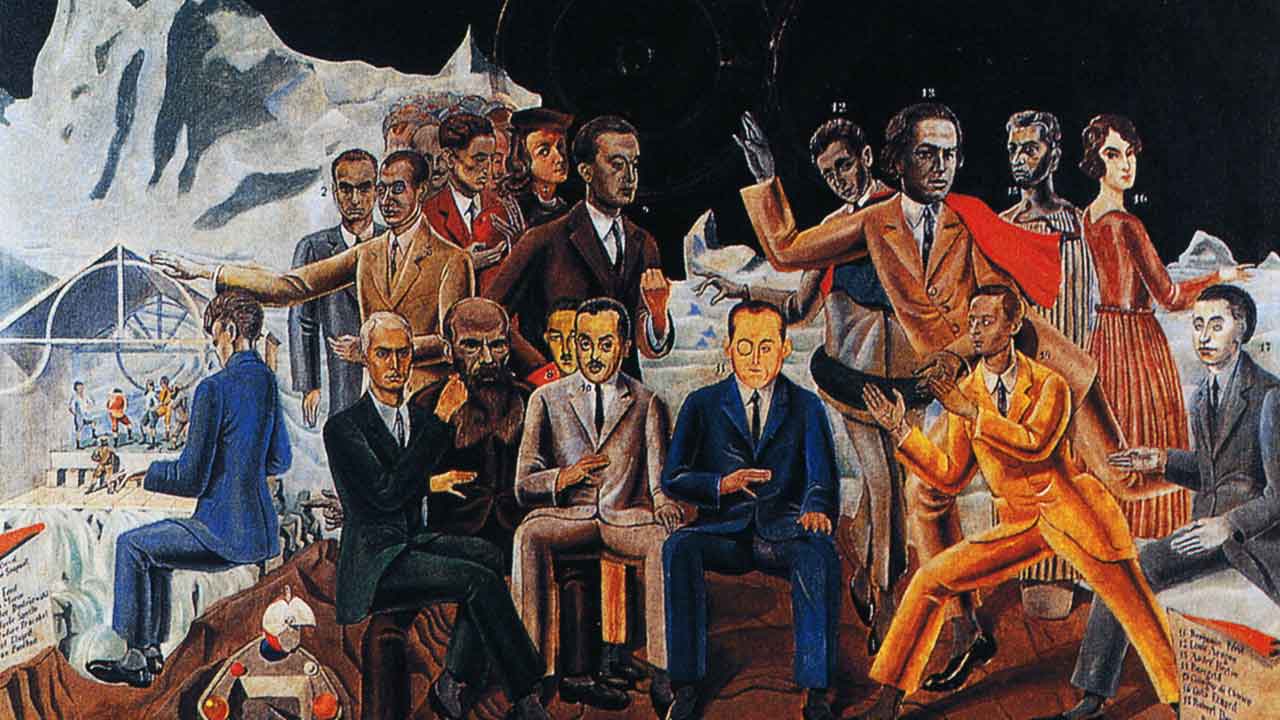
As a mediator, the artist does not aim to reflect the objective reality around them exactly as it is. Rather, they tend to depict the world through their inner experiences and, more often than not, through profound emotions. It is possible to link this orientation of the movement to its relationship with other art movements that emerged during that period and before. For example, Surrealism, another art movement, shares a similar tendency. Artists’ inclination to represent reality in a distinct and unique style has also been reflected in the field of cinema. In this context, filmmakers have also established their own specialized art groups and developed their own distinctive styles of filmmaking.
The evolution and structure of *Metropolis*, one of the classics of cinema, should also be understood within this framework. Throughout 1926, the year the film was shot, there was a wave of publicity that generated significant anticipation within society. In fact, for today’s internet-savvy film enthusiasts, *Metropolis* is regarded as one of the pioneers of science fiction. In particular, the creation of a robotic replica of Maria and the image of a gigantic city reaching into the sky are classic motifs widely used in the science fiction genre. In his monograph, Thomas Elsaesser notes that *Metropolis* introduced a new concept that synthesized the narrative forms of theater, literature, and the visual arts. In his monograph, Elsaesser writes, “Metropolis, yesterday’s dystopia identified with a future of cyborgs and massive cities, speaks to us today of the reality of life and bodily electricity—of the fusion of human and machine energies.”
“Once again, the malevolent passions that Expressionism equated with the devil are now gliding with all their elegance through the high-voltage fluorescent-lit halls of skyscrapers,” he stated. It has been noted that Frit Lang’s films reflect “a harmonious blend of philosophical gravitas, visual allure, and refined design.” *Metropolis*, in particular, provided the most perfect example of this style by utilizing the “refined design” created in 1925 by lithographer Louis Lozowick, which aligns with the image of New York. Lang witnessed and lived through World War I, which resulted in the loss of one of his eyes. After his recovery, he resumed writing screenplays. He then began his early work in German cinema by directing *Decla Biscoop* (1917).
After settling in Hollywood in 1937, Lang directed a series of highly popular, gripping films. Among these, *Only Live Once* (1937) and *Rancho Notorious* (1952) are two major films that cannot be overlooked. In 1923, *Metropolis*’s long and eventful journey to the big screen began. (This seems to confirm the cliché that films born of great effort often have an impact that is just as challenging as the effort itself.) This process was led by Fritz Lang—one of the most sought-after screenwriters at UFA, one of Berlin’s most important film studios—and his wife, Thea von Harbou. In 1924, Lang and the film’s producer, Erich Pommer (who also directed *The Cabinet of Dr. Caligari*), visited the United States, bringing insights into the modern city of the new era to the work and thereby enhancing the film’s creative and aesthetic qualities.
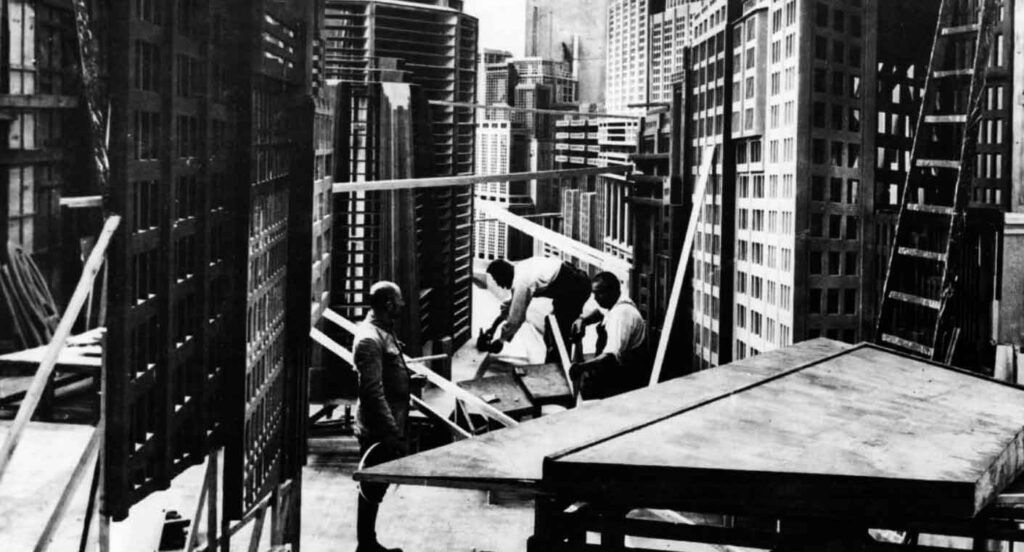
The two also traveled to New York as producer and director for the premiere of their film *Siegfried’s Death*. Lang and Pommer then went on to Los Angeles, where they visited major film studios. In Los Angeles, where the film industry had, in a sense, evolved into a full-fledged industry, they had the opportunity to witness the scale of the industry and investment firsthand. They even met D.W. Griffith, who had directed such important films as *Way Down East* (1920) and *Intolerance* (1916). Just like other science fiction masterpieces produced afterward, the production of *Metropolis* involved extraordinary technical effort to visualize life in the future. In fact, it took 310 working days and 60 nights to finally complete filming.
The Social Reactions and Impacts of the Film *Metropolis*
The film’s eagerly anticipated premiere took place on January 10, 1927, at the UFA Palast in Berlin. While the film was being screened, an orchestra in the auditorium performed the entire film score live for each scene. Hailed as a science fiction extravaganza even before its release, the film is still viewed today in an exaggerated and populist light. This situation can be attributed to its deep intertwining with market mechanisms and, consequently, popular culture. It brings to mind the presentation of the film *Avatar*, which was released in recent years. Although there have been criticisms regarding the ambiguity of the story and subject matter, it is significant that nearly all promotional materials and reviews of the film push the boundaries of hyperbole.
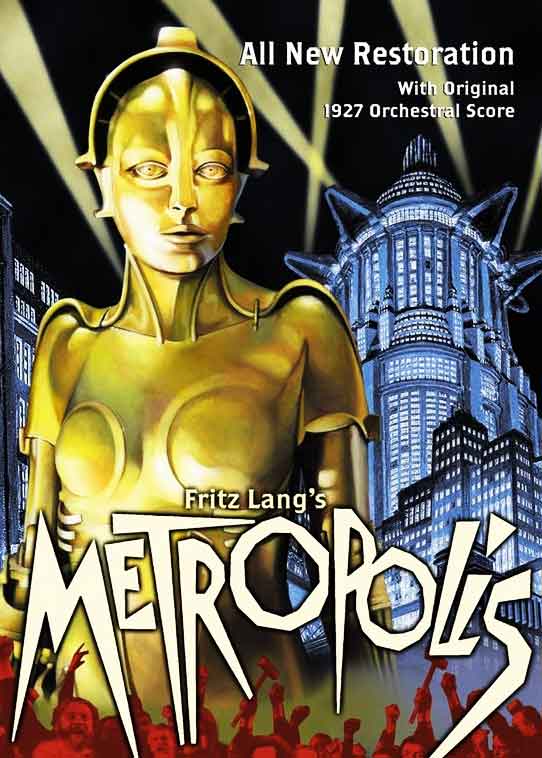
Despite all its potential and the excitement it generated, the film failed to translate this momentum into commercial success. Over time, theaters screening the film began requesting that its runtime be reduced from two and a half hours to one hour and forty-five minutes. In Germany, too, the shortened version shown in the United States is being screened. The film underwent its first restoration and enhancements in 1965. Over the subsequent 30 years, the film was restored at regular intervals. After undergoing a comprehensive restoration in the early 1980s, the film was re-released in 1984. The film quickly became a favorite among movie lovers and, thanks to its success, captured the public’s attention.
In the summer of 2008, it was discovered that a new copy of the film—one that differed from the previous ones—had been found in the archives of the Museum of Cinema in Argentina. As a result, newspapers around the world are currently featuring this story on their front pages. Even today, there are many differing assessments of the film, which continues to be a subject of controversy. Many have commented that the story is disjointed and vague. It has also been noted that a series of unrelated ideological discourses intrude into the film at unexpected moments. Indeed, the film’s ideological orientation is ambiguous. Is it Bolshevik? Or is it a warning about the rise of fascism? Is it a fairy tale?
All these debates aside, it is clear that *Metropolis* influenced the modern, mainstream science fiction films that followed it—films that love to create new ideas and worlds. Blade Runner (Ridley Scott, 1982), Star Wars, and even Apple’s first TV commercial—also directed by Scott—owe a great deal to this film, which occupies a position somewhere between a technological fable and a fairy tale. The recently released animated version of Metropolis, along with films like Blade Runner and Star Wars, has become deeply intertwined with popular culture. They have a massive reach. Consequently, they will convey different messages to individuals and communities depending on when and where they are viewed.
The story of the version of *Metropolis*—previously thought to be lost and rediscovered in 2008—was the subject of an article in *The Guardian* titled “The Mystery of *Metropolis*.” (The author of the article is Karen Naundorf.) The article investigates the circumstances surrounding the discovery of this new “material” at the Cinema Museum in the Barracas neighborhood of Buenos Aires. Although 80 years have passed, only three sequences—representing just 25 percent of the film—have been recovered. Despite the serious gaps and discontinuities in the existing copy, the film was screened numerous times in Buenos Aires throughout the 1980s; in fact, projectionists often complained about the length of the screening. The film’s last copy, discovered by chance, sheds light on key questions such as why Rotwang and Fredersen were enemies. (Because they are both in love with the same woman.)
Just as a symphony consists of three main parts—the prelude, the furioso, and the finale—the film’s structure is also symphonic. The first screening of the relatively complete new copy took place at the 2010 Berlin Film Festival. Martin Kroeber, a member of the film’s restoration team, made the following comment following the film’s screening in Hong Kong: “Metropolis is not merely an expressionist film. It is also a film that fully captures the social atmosphere of Germany in 1927 on the silver screen. One might even say it is a small encyclopedia of 1927 cinema.”