The Harlem Renaissance, which can be described as a period during which African American communities experienced a major creative and artistic surge, was an artistic movement that emerged in New York in the 1920s and 1930s. Drawing inspiration from African culture, new initiatives were launched in music, dance, film, and many other fields. This movement began to be referred to as the New Negro Movement in the 1920s.
Growing Racial Tensions
In the first half of the 20th century, nearly 2 million African Americans migrated to northern U.S. states such as Chicago and New York. In particular, a large number of wealthy and intellectual African Americans settled in New York’s Harlem neighborhood. It was precisely during this time that African American artists drew strength from their roots to express their creativity in the arts. In the 19th century, most African Americans lived as slaves in the Southern states. The American Civil War, which arose from this situation, ended in 1865. Governments in the Southern states prevented former slaves from gaining rights such as the right to vote. Racism was prevalent in many institutions. As industrialization took hold, the Northern states became regions of attraction where new job opportunities were emerging. Consequently, thousands of African Americans migrated from the Southern states to the North.
When the United States entered World War I in 1917, racism was still rampant, but African Americans, who were continuing their arduous struggle for civil rights, also supported the war effort by enlisting in the U.S. Army. By 1919, migration to the North was proceeding at a rapid pace, and civil unrest and racial riots reflected the burgeoning internal tensions. Amid this climate of conflict, educated African Americans began to reclaim their roots through cultural avenues such as music and dance. Their defense of their heritage through these means led to the movement being dubbed the New Negro Movement. The fact that most of these migrants settled in the Harlem area led to the movement becoming known as the Harlem Renaissance.
In 1909, the National Association for the Advancement of Colored People (NAACP) was founded with the contributions of DuBois, a sociologist. As a pioneering figure, DuBois also founded and edited The Crisis, the NAACP’s monthly magazine. The magazine’s name was inspired by James Russell Lowell’s poem *The Present Crisis*, which addressed slavery. The magazine’s aim was not to fuel political and social struggle but to educate people culturally and thereby prevent racial conflict. The magazine featured the works of artists who were part of the Harlem Renaissance and quickly gained popularity by 1920.
Migration to The Harlem Area
African Americans, striving to establish a foothold in the northern states, embarked on a quest to express their independence and cultural identity. Many of those who grew up in the Harlem neighborhood were middle-class and well-educated. By effectively expressing themselves through knowledge rather than violence, they were able to overcome the racist stereotypes directed at them. This humanistic approach they demonstrated in preserving their identity and achieving independence, along with their artistic activities and the interpretations they produced, increased the number of supporters for this movement and helped to ease racial tensions. As the movement gained traction, the values produced by African Americans in music, dance, and other artistic fields began to find a place within mainstream American culture. Despite the oppression they faced, the optimistic attitude they chose enabled them to express themselves in a humane way and to find their place in society more easily.
One of the most significant cultural activities that Black artists used to combat racism was jazz. For this reason, jazz was an important part of the Harlem Renaissance. As time went on, jazz became popular not only among Black people but also among white people, gaining a wider audience. As senseless prejudices among the masses began to break down, the artists of the Harlem Renaissance were able to reach different people through jazz music. As all Americans began to take an interest in this genre of music and embrace it, discrimination and discriminatory rhetoric gradually lost their power. In paintings associated with the Harlem Renaissance, nightlife venues where people danced to jazz music were frequently depicted. The Harlem Renaissance spanned the period roughly between the end of World War I and the start of World War II. The Harlem Renaissance did not embody any distinct principles, characteristics, or style.
Artists of The Harlem Renaissance
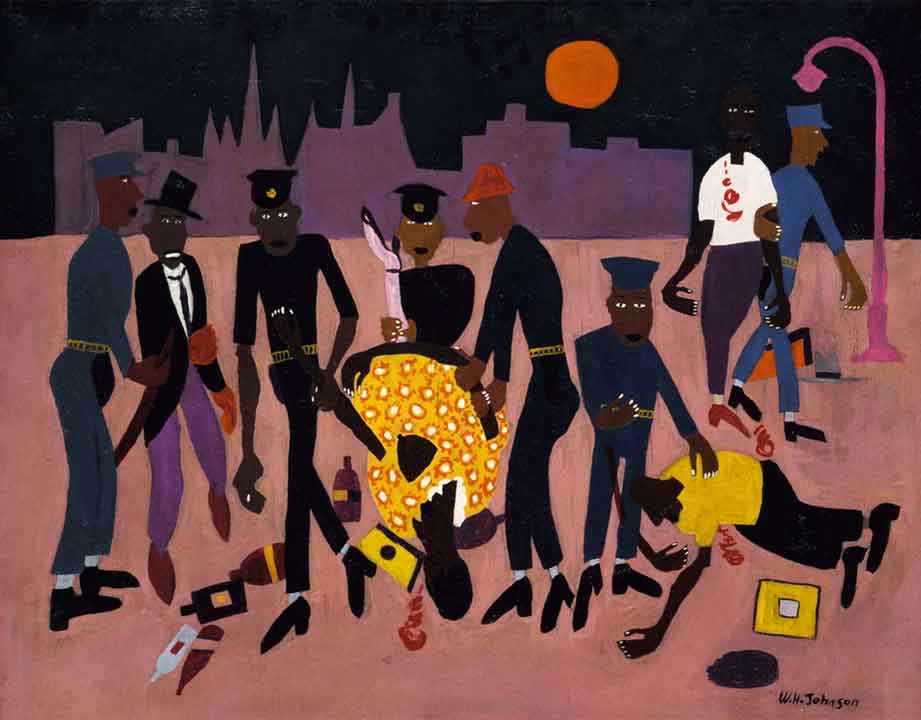
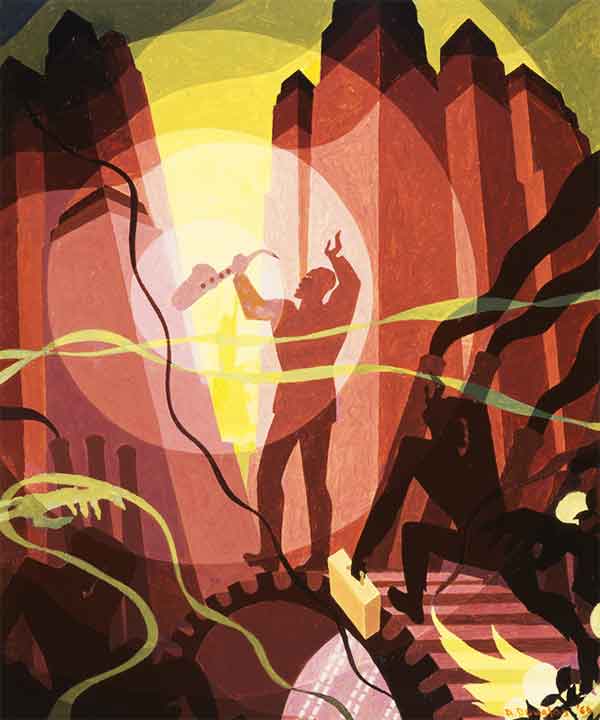
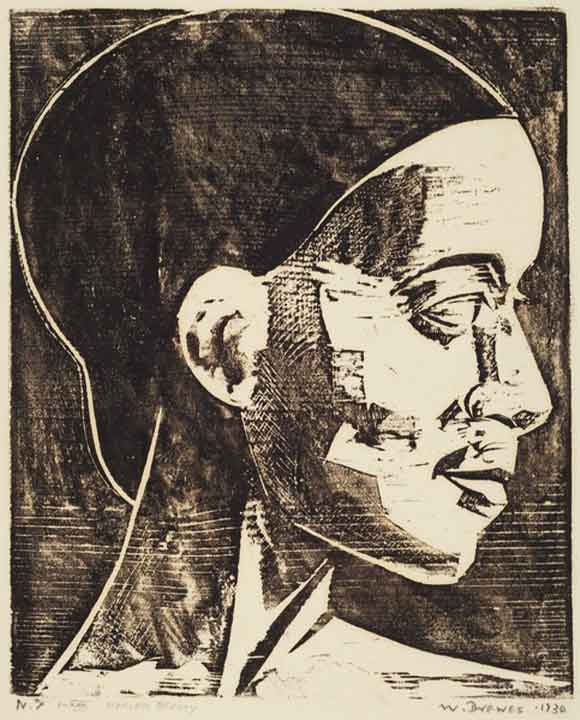
On the contrary, because Harlem Renaissance artists staged a cultural rebellion against the idea of discrimination, their works were highly universal and incorporated diverse cultural elements. During this period, many white employers and capitalists emerged who took a special interest in what was termed “primitive” African American culture. Harlem Renaissance artists also utilized the support of these white individuals, who had the potential to provide broader networks, connections, and opportunities. The Harlem Renaissance encompassed many artists. Aaron Douglas, known as the “father of African American art,” was one of these Black artists. Aaron Douglas was best known for his cover designs for major Harlem Renaissance publications such as The Crisis and Opportunity, as well as for the murals he created for public buildings. William H. Johnson, one of the Harlem Renaissance artists who moved from the South to Harlem, became one of the first African American artists to gain mainstream recognition.
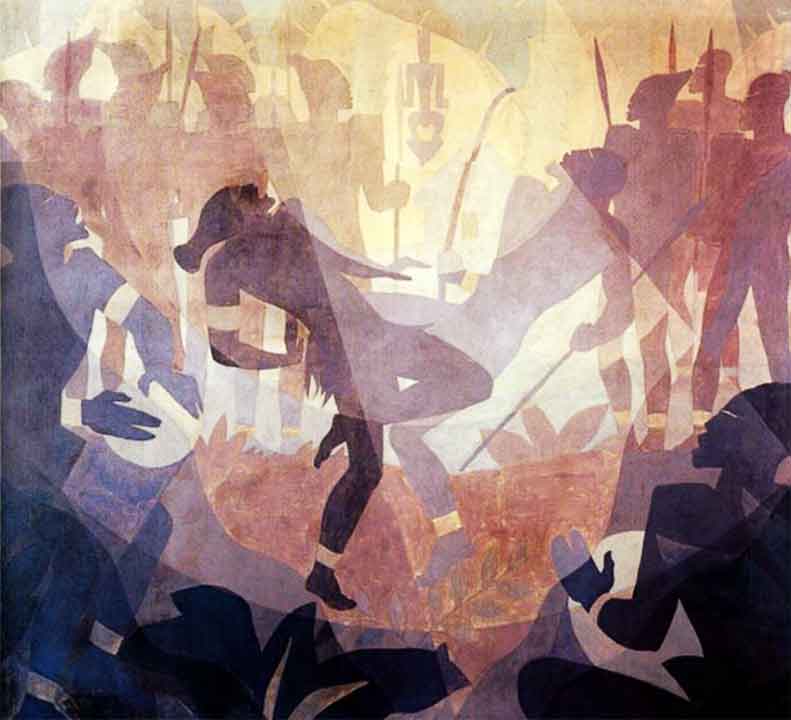
William’s works featured scenes from the daily lives of the African American community and incorporated modernist elements. Boston-based Black artist Louis Mailou Jones drew significant attention for his primitive-style works, which conveyed a joy of life through his paintings and vibrant textile designs. Sargent Claude Johnson was a Harlem Renaissance artist known for his versatility who later moved to California. Sargent was primarily a sculptor but also worked in many fields such as ceramics, pottery, and graphic design. He won numerous awards for his sculptural works that reflected his African American identity and cultural character. Another Harlem Renaissance artist, Charles Alston, moved to New York during the period when Black people were migrating to the North. The artist, who created murals in the Harlem area, co-directed the Alston-Bannarn Harlem Renaissance Art Workshop alongside painter Henry Bannarn.