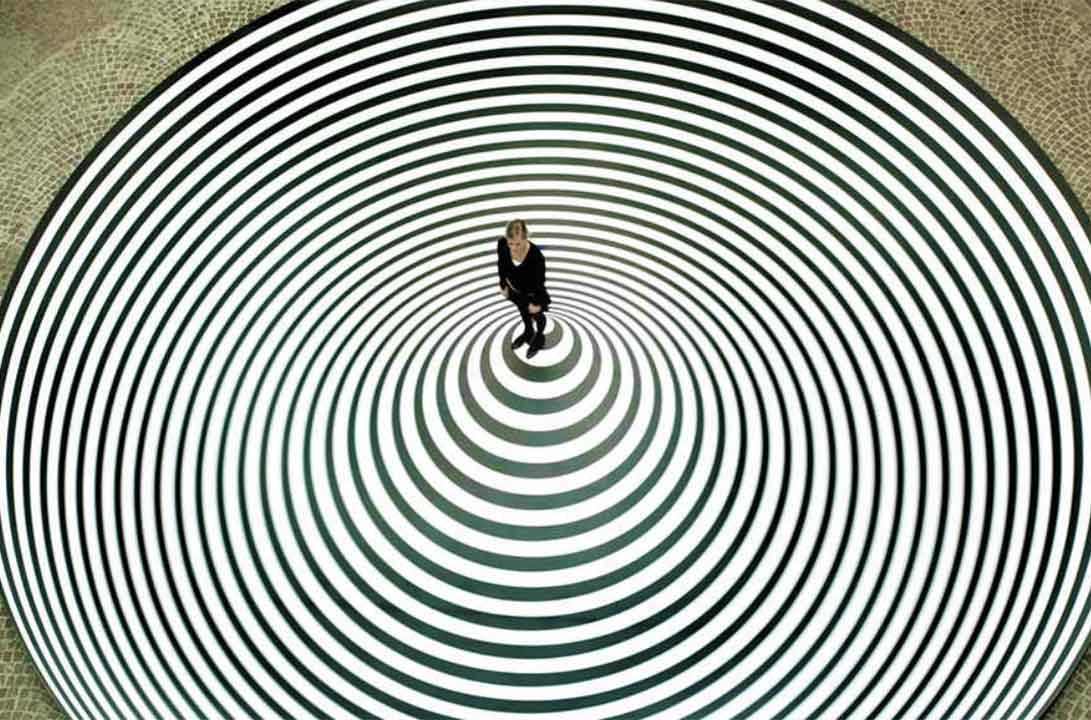
The term “Op Art” was first used in *Time* magazine to describe a new art movement focused on optical effects. Because this movement utilized optical illusions, it has also been referred to as retinal art. Op Art artists created geometric shapes and patterns with the aim of producing flickering images and a sense of motion in the eyes of viewers.
Visual Illusions and Optical Tricks
The 1964 issue of *Time* magazine, where the term “deaf op art” was first used, included the following statement: “In the Western world, a new movement is emerging—‘optical art’—that sets traps for the eyes and plays with optical illusions. Like Pop Art artists, visual researchers who broke away from Abstract Expressionism are using all the elements found in an optometrist’s nightmare to create Op Art in a seductive, eye-deceiving, and eye-catching manner.” Op Art was heavily influenced by movements that preceded it, such as Neo-Plasticism. Op Art artists used geometric shapes to create illusory effects. Sometimes they drew shapes composed solely of repeating black and white color blocks, manipulating viewers’ perceptions by applying perspective.
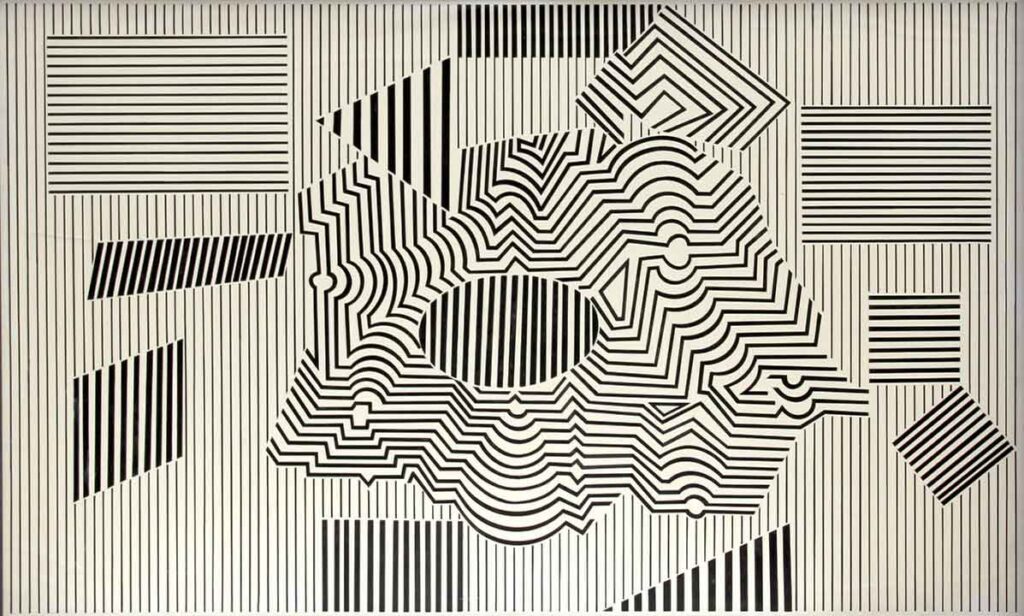
At other times, they created powerful and unsettling illusions. When viewed, these works created the perception that the form was changing, moving, or vibrating. Op Art artists constantly drew upon color theory and perceptual principles. Bridget Riley used lines and geometric shapes composed solely of black and white on large canvases for years to create works that evoked a sense of movement and vibration.
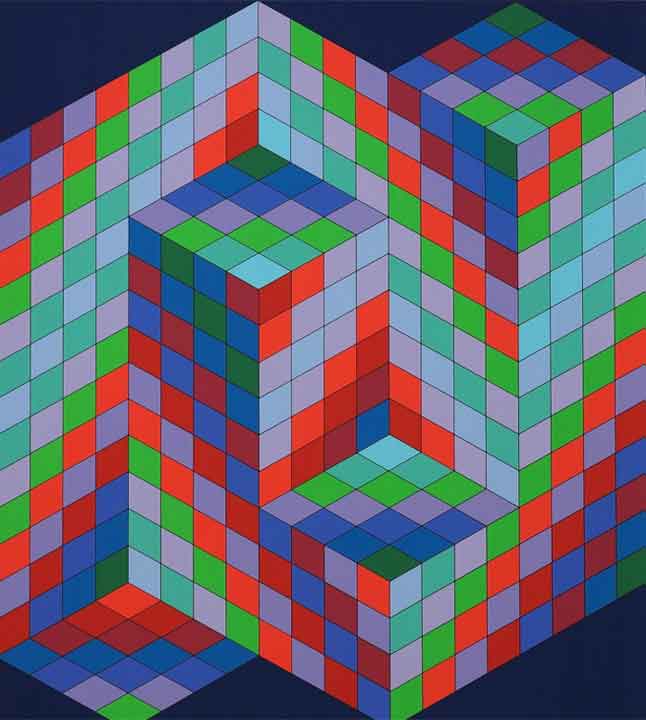
Victor Vassely created a sense of three-dimensional form in viewers through his mosaic-patterned designs. Jesus Raphael Soto produced three-dimensional optical works that gave the impression of shimmering, and his work bridged the gap between kinetic art and Op Art. These three artists are leading figures of the Op Art movement. There is a significant difference between kinetic art and Op Art. While kinetic art encompasses works that actually move, Op Art works merely seek to create an optical illusion.
Kinetic artworks are typically three-dimensional pieces designed to form a cohesive whole when set in motion by an external force. In the 1950s, during the time when Op Art was emerging, many artists were producing kinetic sculptures. Independent artists such as Alexander Calder, Jean Tinguely, and George Rickey can be cited as examples. Although Duchamp, Gabo, and some Constructivists essentially pioneered kinetic art, this movement did not achieve its true popularity until the 1960s. Most kinetic works were based on geometric shapes. The term “kinetic art” first came into use in the 1950s. Soto is an example of an artist who produced works in both the kinetic and Op Art styles.
Op Art Artists and Their Aims
The Op Art movement first reached American audiences through the 1965 MoMA exhibition titled *The Responsive Eye*. This was the first exhibition in which optical art connected with the general public. The exhibition featured works by artists such as Riley, Vasarely, Albers, Richard Anuszkiewicz, Julian Stanczak, and Tadasky.
Some critics argued that the exhibition was filled with visual illusions and tricks. However, despite such criticism, Op Art imagery became quite popular within the fashion trends of the 1960s. As a result, Op Art established itself in fields such as publishing, advertising, graphic design, fashion, and interior design. Furthermore, despite being beloved by the public and designers, it never achieved the same level of popularity as Pop Art and did not gain international fame.
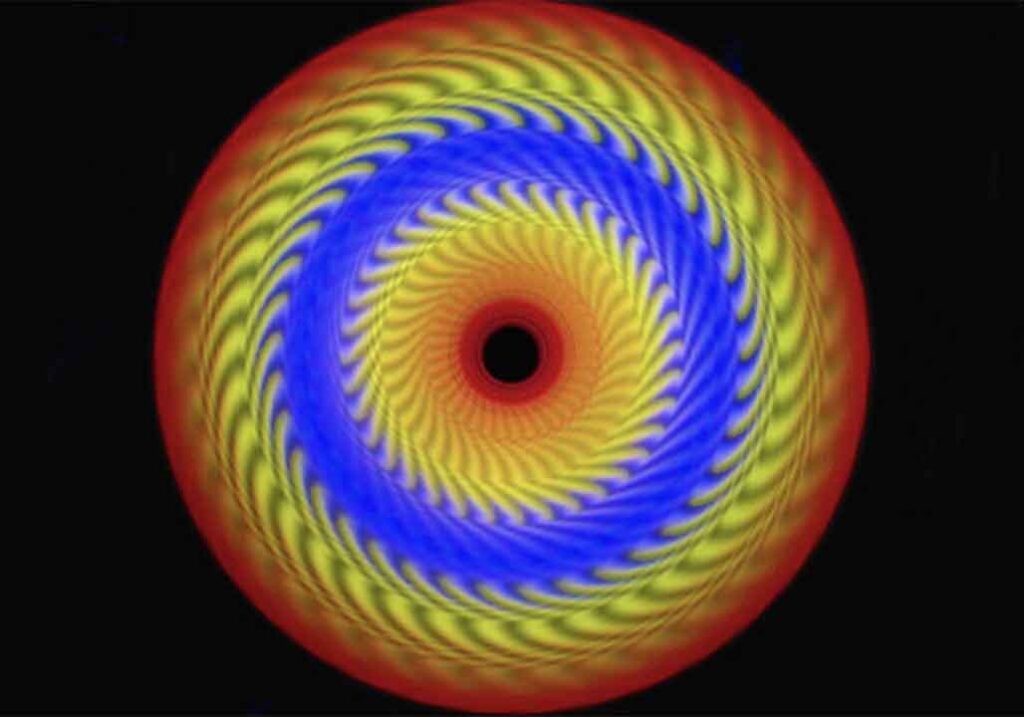
The goal of Op Art was to create the illusion of movement in static artworks by using optical illusions. It did not aim to depict or evoke any specific event, story, atmosphere, or mood. The objective was to create visual games and tricks for the viewers. Colors, shapes, and perspectives were used to create the visual effects necessary for optical illusions. For this, people had to look at these works for a certain amount of time. We cannot say that all of these artists supported consumer culture compared to Pop Art artists.
For example, Riley believed that commercialization stemmed from herd mentality and a thirst for sensation, and that this was harmful to the art community. Op Art drew its inspiration from various fields. For instance, Vasarely was also a graphic designer, and the influence of his field of work was clearly evident in the pieces he created. In his works, he sought not to create discomfort through optical illusions but to evoke admiration by setting colors in motion. Although Op Art works are generally abstract, the effects used sometimes evoke natural elements such as fire and water.