Performance art, which has its roots in the theatrical performances staged by the Futurists, Surrealists, and Dadaists—particularly the events held at the Cabaret Voltaire—as well as in Action Paintings and the “Formations” of the 1960s, is generally classified as a part of Conceptual Art. This form, which was seen in many movements toward the end of the 20th century and required interaction between artists and audiences, first emerged with this movement.
In the 1960s, the term “Performance Art” was used to describe methods in which artists used their bodies to express their ideas. Artists who expressed themselves through dance, singing, pantomime, acting, and other forms of performance presented their works as one-time events or repeatedly, in specific or unexpected locations, and either prepared in advance or improvised. In Germany and Austria, Performance Art was known as Actionism. This movement, which became a major phenomenon in the 1960s and 1970s, was largely regarded—like other forms of Performance Art—as a branch of Conceptual Art. A key factor in the early development of Performance Art was a series of photographs taken in 1950 by photographer Hans Namuth (1915–90) while Jackson Pollock was creating his action paintings.
These photographs gained widespread attention and helped spread the concept of action paintings among audiences, critics, and other artists. At the same time, they served as a source of inspiration for innovative methods in which artists used their entire bodies in the creation and presentation of art. In addition, “Installations”—which were staged around the same time—spread from New York to other parts of the world. These performances, which required audience participation as much as the artist’s presentation, soon came to be known as Performance Art. German Conceptual Artist Joseph Beuys, who served as a fighter pilot during World War II and was seriously injured when his plane crashed, is one of the most important pioneers of Performance Art. Beginning in 1963, he made a significant impact with actions that reflected his experiences. All of these performances were created to express social and political issues and the suffering of people through various metaphors and allusions.
Living Art: The Development of Performance Art
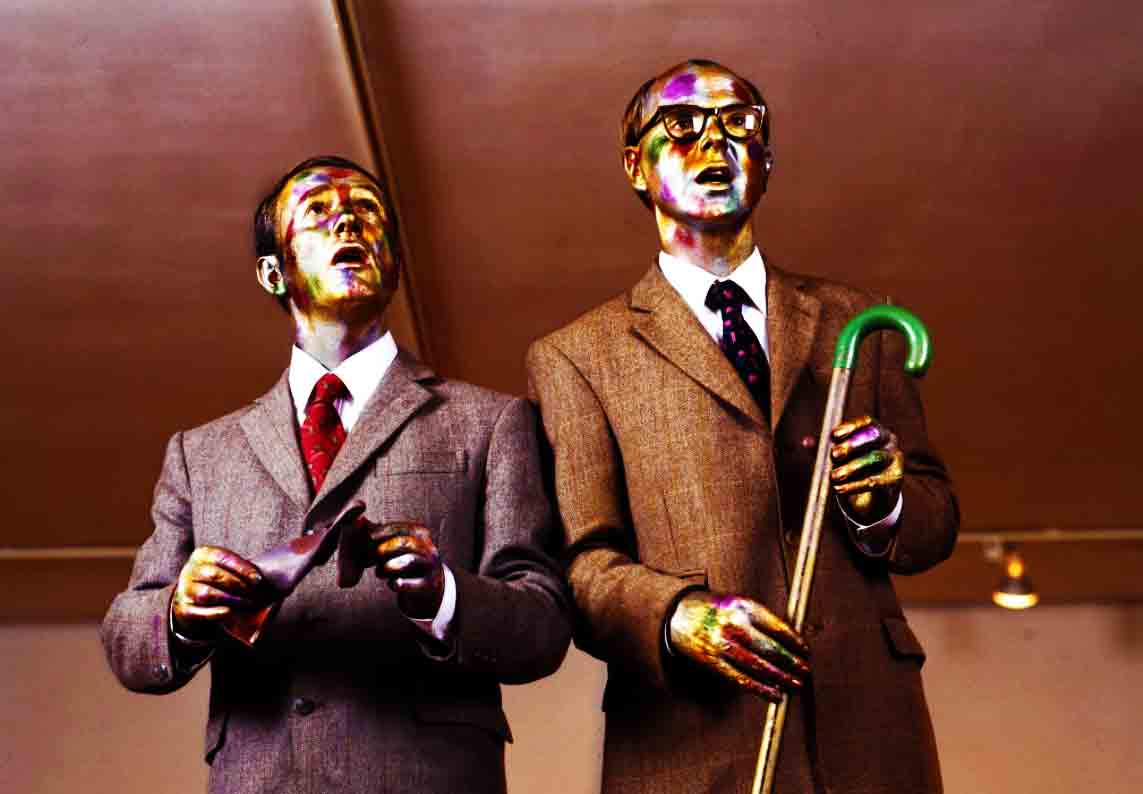
In England, starting in 1969, Gilbert and George were presenting original performances, though they referred to their work as “living art” rather than “performance art.” Fluxus, which emerged in Germany in the 1960s, became an international movement. Fluxus, meaning “flow” in Latin, saw artists, composers, and designers associated with the movement exhibit similarities to the Dadaists in their promotion of “living art” and “counter-art.” Numerous artists joined the Fluxus movement and organized various events—including avant-garde music concerts and performances—in Paris, Copenhagen, Amsterdam, London, and New York. Ignoring art theoies, they placed importance on the artist’s works, activities, and emotions.
In the early days of Performance Art, which took various forms, one of the problems artists faced was the ephemeral nature of their work. Once the performance ended, nothing remained to attest to its existence. For this reason, photographs and video recordings of performances are typically taken, allowing the ideas to reach a wider audience. Since most performances differ from traditional stage productions, a script is not required. Although a narrative is sometimes conveyed, the structure of performances is based on content rather than drama. The purpose of performances is not merely to provide pure entertainment; artists seek ways to encourage audiences to question their assumptions about life, society, politics, psychology, and other issues on their minds.
Other Artists Interpretations and Silent Performances
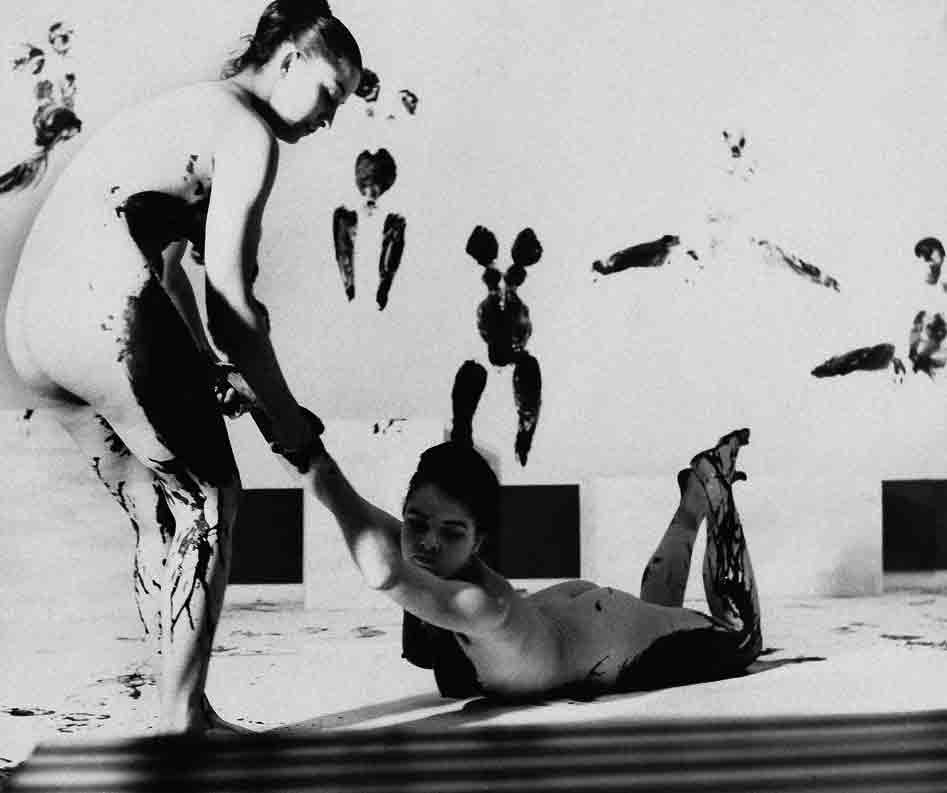
While some performances satirize life, others adopt a dissenting stance. Still others call on the audience to question conventional attitudes, ideas, and behaviors. The fundamental idea here is that Performance Art—with its thought-provoking, awareness-raising nature and its constant effort to shift perspectives and perceptions in one way or another—serves as a form of direct communication with the audience. Yves Klein created performances linked to painting. In one such performance in 1961, he painted three nude models with his signature blue, 1KB, and then directed them—as “living brushes”—to move across a white sheet of paper according to his instructions, creating a performance he called Anthropometry (body painting). Andy Warhol became famous for staging new and diverse types of shows and performances—such as music, film, and slide shows—at parties with his friends and in public spaces.
In 1970, Gilbert and George staged their first “living sculpture” performance by painting their heads and hands gold and moving in time to the song “Underneath the Arches,” which played for an extended period. Afterward, they rarely appeared in public without wearing similar costumes and insisted that everything they did was art. Ana Mendieta (1948–85) focused on issues of gender and cultural identity in her performances, referencing her Cuban roots and the hardships of her life in exile in the United States. Beuys’s eccentric appearance and behavior served as a mask that obscured the rational ideas he brought to his performances—ideas concerning opposition to nuclear weapons and the future of the environment.
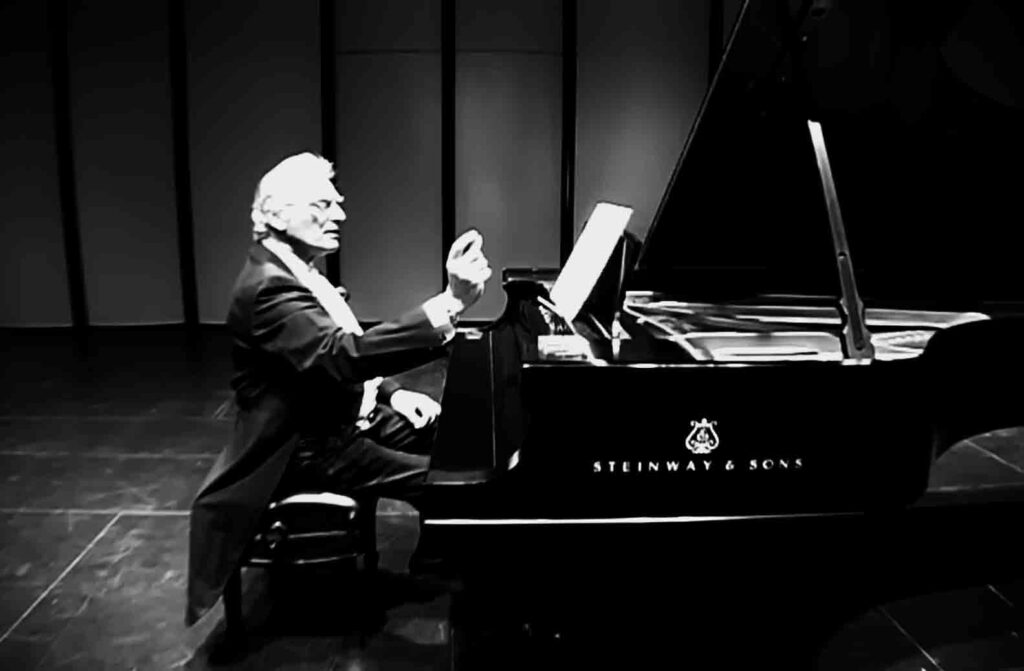
Performance Art and the performing arts are distinct phenomena. The audience may have expectations of entertainment, but the Performance Artist’s goal is not to entertain the audience. Unless it is part of an exhibition, performance art is typically a one-time, ticketless event. Composer John Cage (1912–92) presented his first “composition”—which would influence all subsequent Performance Art—in 1952. This was the performance titled 4’33,” in which musicians sat before the audience with their instruments and remained silent for four minutes and thirty-three seconds. The sounds made by the audience as they coughed or moved became part of the performance and raised questions about the audience’s expectations.
The principle of focusing on the concept of art rather than the exhibition object stemmed from various 20th-century avant-garde movements. Performance artists sought to remove art from galleries and the tradition of appealing solely to a privileged minority. In doing so, they also aimed to eliminate capitalist elements surronding art, such as art dealers, exhibition costs, and expensive sales. Performance art was, in essence, for everyone. Naturally, this utopian vision did not always materialize, but most artists had political agendas, and their ultimate goal was to encourage audiences to consider different ways of thinking.